石油市场最初将伊朗战争视为长期看跌趋势中的一次短暂看涨扰动。但交易员现在正在押注,油价将在2028年之前保持高位,迫使人们重新审视全球通胀前景。
Oil markets initially treated the Iran war as a brief bullish disruption in a long-term bearish trend. But traders are now betting that oil prices will remain elevated through 2028, forcing a rethink of the global inflation outlook.
战争已经持续了八个月,帮助吸收初始能源冲击的缓冲——最明显的是陆上原油库存——正变得危险地薄弱。与此同时,霍尔木兹海峡的原油出口复苏仍然脆弱,全球炼油能力正在被侵蚀,而结束冲突的可信外交途径似乎比以往任何时候都更加狭窄。
Eight months into the war, the buffers that helped absorb the initial energy shock – most notably onshore crude oil stockpiles – are wearing dangerously thin. At the same time, the recovery in crude exports through the Strait of Hormuz remains fragile, global refining capacity has been eroded and credible diplomatic pathways to end the conflict appear narrower than ever.
全球基准布伦特原油期货讲述了这一故事。2027年12月交付的合约自9月初以来已上涨超过13%,达到每桶86美元,为该合约的最高水平;而2026年12月交付的合约则上涨了约12%。
Global benchmark Brent crude futures tell the story. Contracts for delivery in December 2027 have climbed more than 13% since the start of September to $86 a barrel, the highest level for the contract, while December 2026 contracts have gained around 12%.
当然,布伦特远期曲线并不是价格预测。但它反映了炼油厂、航空公司、大宗商品交易员和资产管理者愿意在未来数月甚至数年内锁定高价的意愿。实际上,市场参与者正在为今天的扰动可能成为明天的常态而支付溢价。
The Brent forward curve is not a price forecast, of course. But it reflects the willingness of refiners, airlines, commodity traders and asset managers to lock in elevated prices months and even years into the future. In effect, market participants are paying a premium against the possibility that today's disruptions will become tomorrow's normal.
这种市场定位与业界普遍持有的预期形成鲜明对比——即全球石油供应将在明年恢复。
This market positioning stands in stark contrast to widely held industry expectations of a recovery in global oil supplies next year.
国际能源署预测,随着中东出口复苏,全球供应将从今年的100.7万桶/日增加到2027年的108.3万桶/日。
The International Energy Agency projects global supply will rise to 108.3 million barrels per day (bpd) in 2027 from 100.7 million bpd this year as Middle Eastern exports recover.
与此同时,需求预计将从102.4万桶/日增加到2025年的104.4万桶/日,仍略低于2025年的消费水平。这一复苏预计将集中在石化原料上,而非柴油等交通燃料。
Demand, meanwhile, is forecast to increase from 102.4 million bpd to 104.4 million bpd next year, still slightly below 2025 consumption. This recovery is expected to be concentrated in petrochemical feedstocks rather than transportation fuels like diesel.
尽管如此,该机构预测的库存余额暗示明年将出现可观的供应过剩,这在正常情况下会压低油价。然而,远期期货价格的稳步上涨表明,投资者越来越怀疑这种复苏是否会完全实现,或者即便实现,是否能够持续。
Regardless, the agency's projected balances imply a sizeable supply surplus next year that would normally weigh on prices. Yet the steady rise in long-dated futures suggests investors are increasingly sceptical that this recovery will fully materialise or, if it does, that it will endure.
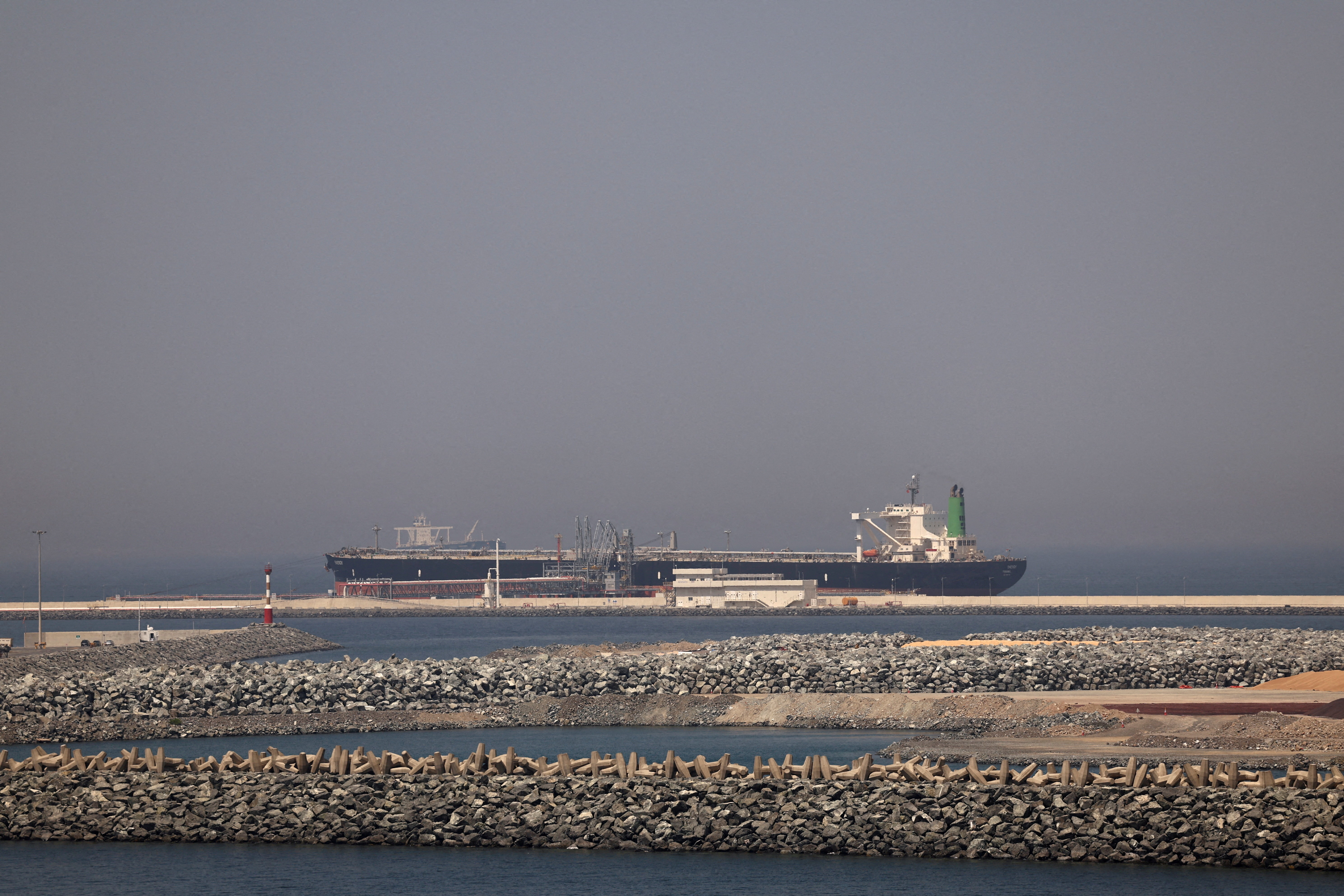
华盛顿与德黑兰的对峙依然集中在对霍尔木兹海峡的控制权上。得益于美国海军的部分护航,近几周通过这一战略水道的石油流量已恢复至接近战前水平,但伊朗在过去一周加强了对船只的袭击,并威胁进一步制造混乱。
The standoff between Washington and Tehran remains centred on control of the Strait of Hormuz. While oil flows through the strategic waterway have rebounded to near pre-war levels in recent weeks thanks partly to US naval support, Iran has intensified attacks on vessels in the past week and threatened further disruption.
冲突也已蔓延至海湾地区之外。也门亲伊朗的胡塞武装近期加大了对沙特阿拉伯的导弹和无人机袭击力度,包括本周对沙特国有石油巨头阿美石油公司(2222.SE)位于达曼总部的袭击。
The conflict has also expanded beyond the Gulf. Yemen's Iran-aligned Houthis have recently stepped up missile and drone attacks on Saudi Arabia, including strikes this week on the headquarters of Saudi Arabia's state-owned oil giant Aramco (2222.SE) in Dhahran.
在此背景下,如今每一桶离开海湾的石油都承担着不断扩大的安全溢价。复杂的物流、高昂的运费、高额的保险费用以及军事护航,如今占移出该地区一桶石油成本的近三分之一,而战前这一比例仅为 3%。
Given this backdrop, every barrel leaving the Gulf now carries a widening security premium. Complex logistics, elevated freight rates, high insurance costs and military protection now account for nearly a third of the cost of moving a barrel of oil out of the region, compared with 3% before the war.
若缺乏关于霍尔木兹海峡的持久解决方案,其中大部分成本在可预见的未来恐将继续固化在油价中。柴油市场的紧张程度甚至更为明显。
Absent a durable settlement over Hormuz, much of that cost is likely to remain entrenched in prices for the foreseeable future. The strain is even more visible in diesel markets.
受中东和俄罗斯供应中断导致的严重短缺影响,基准欧洲柴油期货于 9 月中旬触及每公吨 1480 美元的纪录高位,折合约为每桶 210 美元。
Benchmark European diesel futures hit a record $1,480 per metric ton, equivalent to around $210 per barrel, in mid-September amid an acute shortage of supplies caused by disruptions in the Middle East and Russia.
自俄罗斯 2022 年入侵乌克兰以来,基辅的无人机袭击重创俄罗斯炼厂,迫使莫斯科今年早些时候禁止柴油出口。
Since Russia's 2022 invasion of Ukraine, drone attacks by Kyiv have crippled Russian refineries, forcing Moscow to ban diesel exports earlier this year.
美国总统唐纳德·特朗普周五宣布与俄罗斯总统弗拉基米尔·普京达成协议,允许莫斯科恢复部分柴油出口,随后又宣称俄罗斯和乌克兰之间达成另一项“能源停火”。
US President Donald Trump on Friday announced an agreement with Russian President Vladimir Putin to allow Moscow to resume some diesel exports and later proclaimed another “energy ceasefire” between Russia and Ukraine.
不过,特朗普所提到的俄罗斯新增出口量其实微乎其微——仅相当于全球12小时的石油供应量而已。无论是相关双方还是其他各方,都并未把所谓的停火协议当回事。
But the additional Russian exports cited by Trump are minuscule – equivalent to roughly 12 hours of global supply – and no one, including the two parties involved, is giving much credence to the purported ceasefire.
目前,交易员们更关注的是今年燃料生产能力的急剧下降;柴油期货价格走势也预示着未来供应仍将紧张。本周,2027年12月交割的柴油合约价格首次突破每吨1000美元大关,而战前水平仅为644美元。
Instead, traders are focused on the dramatic loss of fuel production capacity this year, with diesel futures signalling continued tightness ahead. Contracts for delivery in December 2027 climbed above $1,000 a ton for the first time this week, compared with a pre-war level of $644.
这种燃料价格的重新定价最终可能比原油价格上涨本身更具影响力。柴油是驱动卡车、船舶、工厂及农业生产的动力来源,也是全球商业运转的基础。历史上,持续的柴油价格上涨总会通过推高运输、制造及食品成本而传导至整个经济体系。
The fuel repricing may ultimately prove more important than the rise in crude itself. Diesel powers the trucks, ships, factories and farms that underpin global commerce. Sustained diesel inflation has historically seeped into the wider economy through higher transportation, manufacturing and food costs.
今年9月,美国整体通胀率升至3.7%,几乎是美联储设定的2%目标值的两倍;核心通胀率也在不断攀升。因此,居高不下的柴油价格依然是美国及全球政策制定者亟需应对的一大难题。
With headline US inflation running at 3.7% in September – almost twice the Federal Reserve’s targeted 2% rate – and core inflation creeping up, persistently high diesel prices remain a major concern for US and global policymakers.
今年大部分时间里,能源市场一直基于这样一种假设:伊朗冲突会与以往的地缘政治危机类似——即造成短暂而剧烈的供应中断,随后市场便会迅速恢复常态。
For much of this year, energy markets operated on the assumption that the Iran war would resemble past geopolitical crises: a sharp but temporary disruption followed by a quick return to normality.
然而如今,投资者们越来越倾向于认为事实并非如此。问题已不再仅仅是有多少石油能够通过霍尔木兹海峡输送;市场更迫切需要了解的是:全球能源体系能否迅速重建因数月冲突而受损的库存、炼油产能及供应链体系。
Increasingly, investors are concluding otherwise. The issue is no longer simply how much oil can move through Hormuz. Markets need to know whether the global energy system can quickly rebuild the inventories, refinery capacity and supply chains damaged by months of conflict.
在得到明确答案之前,世界恐怕将陷入一个能源成本长期居高不下的时代,即便战火已然平息,这种局面仍将持续。
Until then, the world risks becoming trapped in an era of structurally higher energy costs that lasts long after the shooting stops.
喜欢这篇专栏吗?不妨关注路透社新推出的全球金融评论栏目“Reuters Open Interest”(ROI)。欢迎在领英上关注ROI以获取更多资讯。
Enjoying this column? Check out Reuters Open Interest (ROI), your essential new source for global financial commentary. Follow ROI on LinkedIn, and