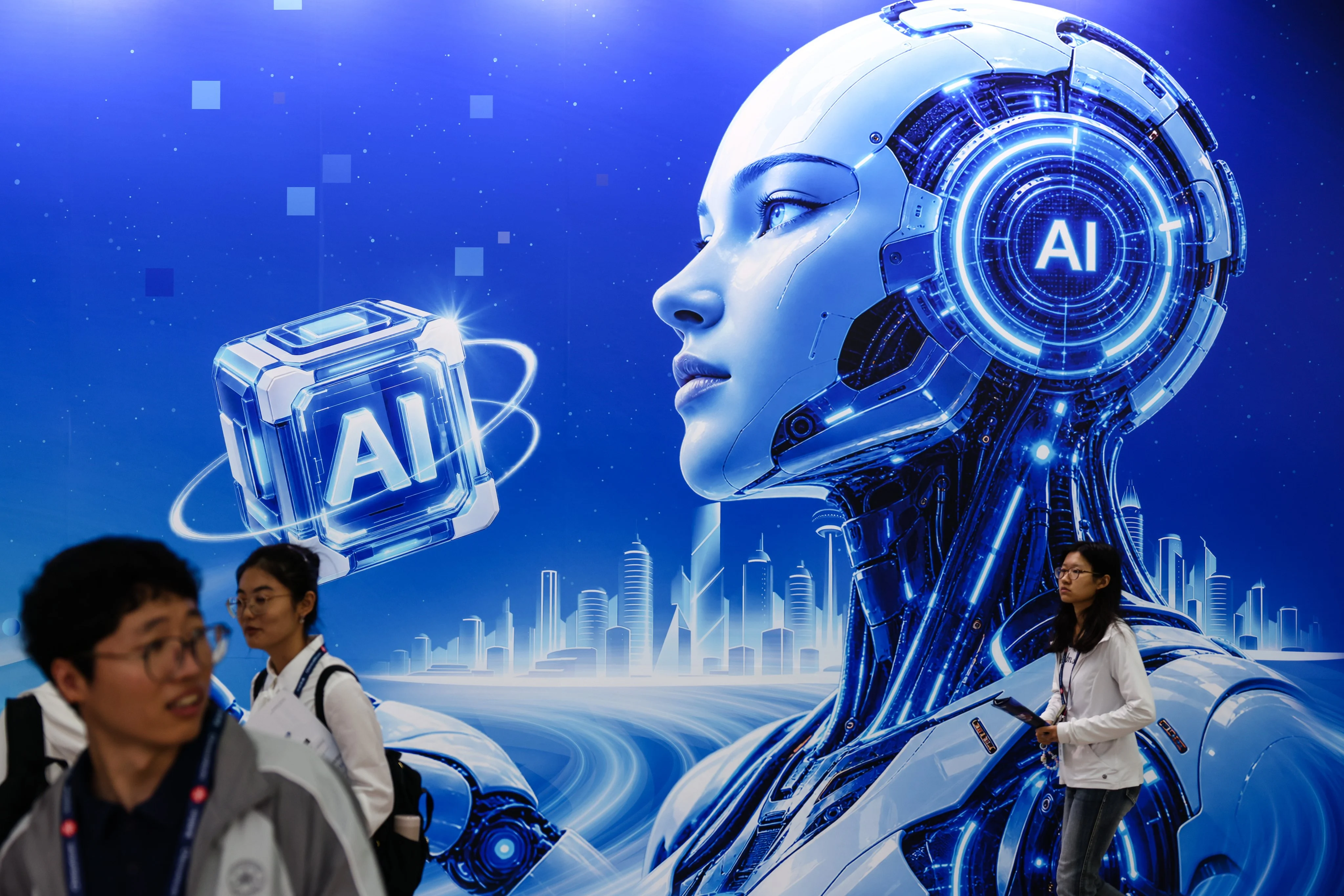
若要寻找一个真正惊人的数字,不妨看看哥伦比亚商学院教授斯蒂因·范纽韦尔堡(Stijn Van Nieuwerburgh)对截至2032年人工智能相关基础设施累计投资额的估算。范纽韦尔堡在上个月的一篇论文中表示,人工智能的建设规模可能达到10万亿3000亿美元,相当于未来七年美国每年经济产出的3.6%。
For a truly staggering figure, look no further than an estimate from Columbia Business School Professor Stijn Van Nieuwerburgh of the cumulative investment in artificial intelligence-related infrastructure by 2032. In a paper last month, Van Nieuwerburgh said the AI buildout could reach US$10.3 trillion, the equivalent of 3.6 per cent of annual US economic output for the next seven years.
这一年均资本支出远超以往的任何基础设施热潮,包括铁路、公路和互联网管道。仅今年一年,美国的大型“超大规模数据中心”企业——即领先的技术公司和云服务提供商——为了在人工智能领域争夺主导地位,将在资本投资上砸下超过7500亿美元。
The average annual capital expenditure dwarfs previous infrastructure booms, including railways, highways and plumbing for the internet. This year alone, the big US “hyperscalers” – the leading technology companies and cloud service providers – will sink more than US$750 billion into capital investments in a race to dominate AI.
自2022年11月ChatGPT问世以来,人工智能热潮已经从一个热门的投资主题演变成一场巨大的经济和金融赌注。它也一直是全球经济和市场韧性的主要来源。尽管经历了接连的严重冲击,但股市仍处于历史最高点,全球经济正以2023年5月以来最快的速度增长,企业盈利也大幅上升。
Since the launch of ChatGPT in November 2022, the AI boom has evolved from a popular investment theme into a massive economic and financial bet. It has also been the main source of resilience in the global economy and markets. Despite a succession of severe shocks, equity markets stand at a record high, the global economy is growing at its fastest pace since May 2023 and corporate earnings have risen dramatically.
德意志银行的乔治·萨拉韦洛斯(George Saravelos)在9月25日的一份报告中表示,全球资本支出周期——同时也受到国防支出增加和建设韧性供应链投资的推动——是“将市场粘合在一起的超级胶水”。
In a report on September 25, George Saravelos of Deutsche Bank said the global capital expenditure cycle – which is also driven by the ramp-up in defence spending and investments in building resilient supply chains – is the “superglue holding the market together”.
10月13日,国际货币基金组织(IMF)承认,其连续三年低估了全球增长,主要原因来自人工智能带来的“正向需求冲击”。在美银10月13日发布的最新全球基金经理调查中,投资者对科技板块的超配仓位创下了2020年8月以来的最高纪录。
On October 13, the International Monetary Fund (IMF) admitted it had underestimated global growth three years in a row mainly because of the “positive demand shock” from AI. In Bank of America’s latest global fund manager survey on October 13, investors had the biggest overweight position in the technology sector since August 2020.
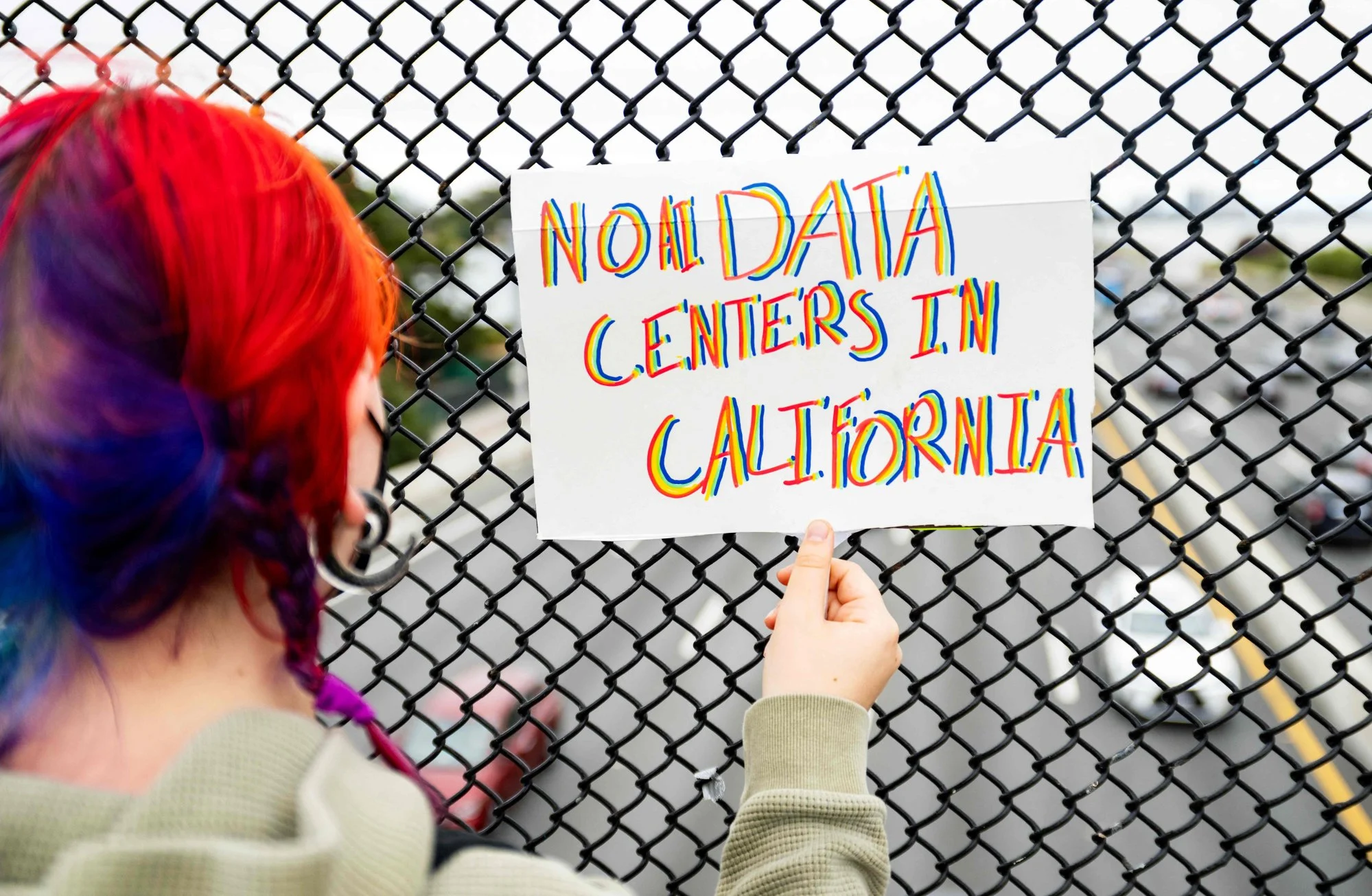
关于人工智能热潮最常被讨论的风险涉及该技术的经济学,具体而言,即终端用户的需求是否会足够快地出现,以证明所花费巨额资金的合理性。另一个担忧是人工智能建设面临的限制日益增多,特别是在一些国家对新建数据中心出现激烈反对以及要求加强监管的呼声不断高涨的情况下。
The most talked-about risks to the AI boom pertain to the economics of the technology, specifically whether there will be enough demand from end users quickly enough to justify the enormous sums of money being spent. Another concern is the increasing constraints to the AI buildout, particularly given the fierce backlash against the construction of new data centres in some countries and mounting calls for regulation.
然而,该热潮对市场的深远影响才是中短期内最大的风险。正如资产管理公司联博(Alliance Bernstein)上个月的一份报告所指出,人工智能热潮已成为“全资产交易”。它不仅“在吸引投资者注意力方面包罗万象”,“其对资本的需求正在跨资产类别建立联系,这使得分散人工智能敞口变得极其困难”。
However, it is the boom’s profound impact on markets that is the biggest risk in the short to medium term. As a report last month from asset management firm Alliance Bernstein noted, the AI boom has become “the everything trade”. Not only is it “all-consuming in terms of investors’ attention”, “its demand for capital is creating linkages across asset classes that make diversifying AI exposure significantly harder”.
直到最近,对集中度风险的担忧还仅限于股票市场。然而,随着超大规模数据中心企业的自由现金流减少,迫使科技巨头依赖外部融资渠道,人工智能交易已经扩大到债券和信贷市场。根据国际货币基金组织的数据,超大规模数据中心企业目前占投资级公司债券发行总额近10%,高于2024年的0.5%。
Until recently, worries about concentration risk were confined to stock markets. As the hyperscalers’ free cash flows dwindle and force the tech giants to rely on external sources of finance, though, the AI trade has broadened to bond and credit markets. Hyperscalers now account for nearly 10 per cent of total investment grade corporate bond issuance, up from 0.5 per cent in 2024, according to IMF data.
*摩根士丹利估计,到2028年,信贷和公司债务市场将占全球数据中心资本支出的约一半。人工智能建设融资方式的剧烈转变加剧了全球市场的脆弱性。
Morgan Stanley estimates that credit and corporate debt markets will account for roughly half the global capital expenditure on data centres through 2028. The dramatic shift in the financing of the AI buildout exacerbates vulnerabilities in global markets.
随着投资者投资组合变成对人工智能的单边押注,且基础设施建设增加了市场中跨资产的联系,该热潮触发下一场金融危机的概率急剧上升。
As investor portfolios become a one-way bet on AI and the infrastructure buildout increases cross-asset linkages in markets, the probability of the boom triggering the next financial crisis has risen sharply.
今天,人工智能交易出现无序且持续的破裂,其破坏力将远超仅仅一年前。人工智能生态系统中的杠杆越高,一旦失去对该技术变现能力的信心,其着陆就会越惨烈。
A disorderly and sustained unravelling of the AI trade would be far more damaging today than just a year ago. The bigger the leverage in the AI ecosystem, the harder the landing in the event of a loss of confidence in the monetisation of the technology.
尽管美国的超大规模数据中心企业拥有强劲的资产负债表和充足的流动性缓冲,但人工智能相关债务的激增增加了向更广泛市场蔓延的风险,特别是考虑到在利率上升的背景下股市杠杆的积聚。
Although the US hyperscalers have strong balance sheets and ample liquidity buffers, the surge in AI-related debt increases the risk of spillovers to broader markets, especially given the build-up of leverage in stock markets amid the rise in interest rates.
韩国就是一个前车之鉴。该国以半导体为主导的股市——今年上半年表现最好的主要市场——已陷入残酷的、由杠杆驱动的抛售中,自6月22日以来暴跌了约34%。它现在是下半年同类市场中表现最差的。
South Korea is a cautionary tale. The country’s semiconductor-led stock market – the best-performing major market in the first half of this year – has succumbed to a brutal, leverage-driven sell-off, plunging around 34 per cent since June 22. It is now the worst performer among its peers in the second half.
此外,人工智能的政治、经济和融资并不利于长期、多年的繁荣。人工智能末日论场景正在激增,而中国人工智能模型的使用在全球范围内首次在正如范纽韦尔堡所指出的那样,“长期债务和合同索赔正在针对那些资产利用率、技术相关性和残值仍然极不确定的资产进行书写。”在某个时刻,某些地方注定会崩溃。富有启示意义的是,全球基金经理认为超大规模数据中心企业的资本支出最有可能成为“系统性信贷事件”的源头。
Also, the politics, economics and financing of AI are not conducive to a prolonged, multi-year boom. AI doom scenarios are proliferating while Chinese AI model usage overtook US platforms globally for the first time in June. As Van Nieuwerburgh notes, “Long-duration debt and contractual claims are being written against assets whose utilisation, technological relevance and residual value remain unusually uncertain.”At some point, something is bound to break somewhere. Tellingly, global fund managers believe hyperscalers’ capital expenditures are the most likely source of a “systemic credit event”.
这并不意味着危机迫在眉睫。然而,如此巨大的赌注竟建立在如此不确定的基础之上,这令人深感担忧。“全资产交易”是一场迟早会发生事故的等待中的灾难。
This does not mean a crisis is imminent. However, the fact that such a massive bet is based on such uncertain foundations is deeply concerning. The “everything trade” is an accident waiting to happen.