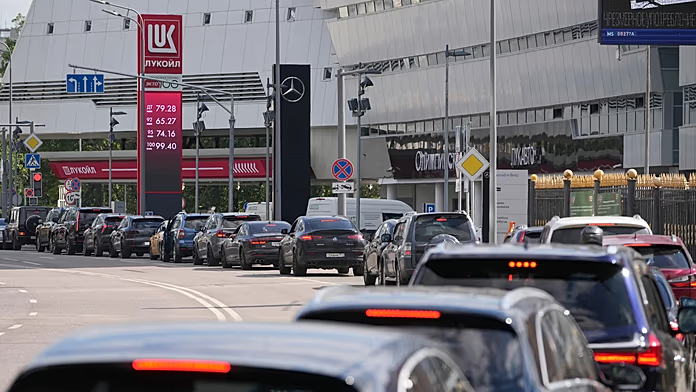
周四,美国财政部宣布延长对俄罗斯石油巨头卢克石油的制裁豁免期限,允许该公司在俄罗斯境外的加油站继续运营至2027年4月。
The US Treasury Department on Thursday extended a sanctions waiver for Russian oil giant Lukoil, allowing its service stations outside Russia to continue operating until April 2027.
这一新许可使得卢克石油品牌旗下的加油站,包括位于美国的站点,能够在2027年4月24日之前继续为顾客提供服务,从而取代了原定于本月晚些时候到期的旧许可。
The extension allows Lukoil-branded petrol stations in countries including the United States to continue serving customers until 24 April 2027, replacing an earlier licence due to expire later this month.
不过,新许可依然对“向位于俄罗斯境内的任何个人或账户转账”的行为实施限制。
这一决定是在美国总统唐纳德·特朗普宣布与俄罗斯达成柴油供应协议一周后作出的。
However, the latest licence maintains restrictions on the "transfer of funds to any person or account located in the Russian Federation".The decision comes a week after US President Donald Trump announced an agreement with Russia to supply diesel to US and global markets, prompting the Treasury to issue a temporary licence to facilitate deliveries.
根据特朗普在社交媒体上发布的消息,莫斯科将立即向美国及全球市场供应30万吨柴油,随后在11月再供应50万吨,之后还将追加100万吨。
The deal, as announced by Trump on social media, envisages that Moscow will release 300,000 tonnes of diesel to the US and global markets immediately, with an additional 500,000 tonnes in November and one million more after that.
然而,这一特朗普与普京达成的柴油协议遭到了欧盟各国外长的强烈反对,他们指出此举会削弱跨大西洋联盟的团结,尤其是在俄罗斯正加紧对乌克兰发动攻击之际。
The Trump-Putin diesel deal has been badly received by EU foreign ministers, who say it undermines transatlantic unity at a time when Russia intensifies its attacks on Ukraine.
与此同时,中东地区的战争已进入第八个月,自2月底美国与以色列对伊朗发动袭击以来,能源价格持续上涨。
Oil prices remain elevated as the war in the Middle East enters its eighth month, following a sharp rise in energy costs since the US and Israel launched attacks on Iran in late February.
作为回应,伊朗封锁了全球石油运输的关键通道——霍尔木兹海峡,进一步推高了油价。
Tehran's retaliation included the blockade of the Strait of Hormuz, a key passage for global oil transit, sending costs up.