亚马逊正将其赌注押在环境计算而非应用程序上,认为这是个人人工智能的未来。
Amazon is placing its bets on ambient computing, not apps, as the future of personal AI.
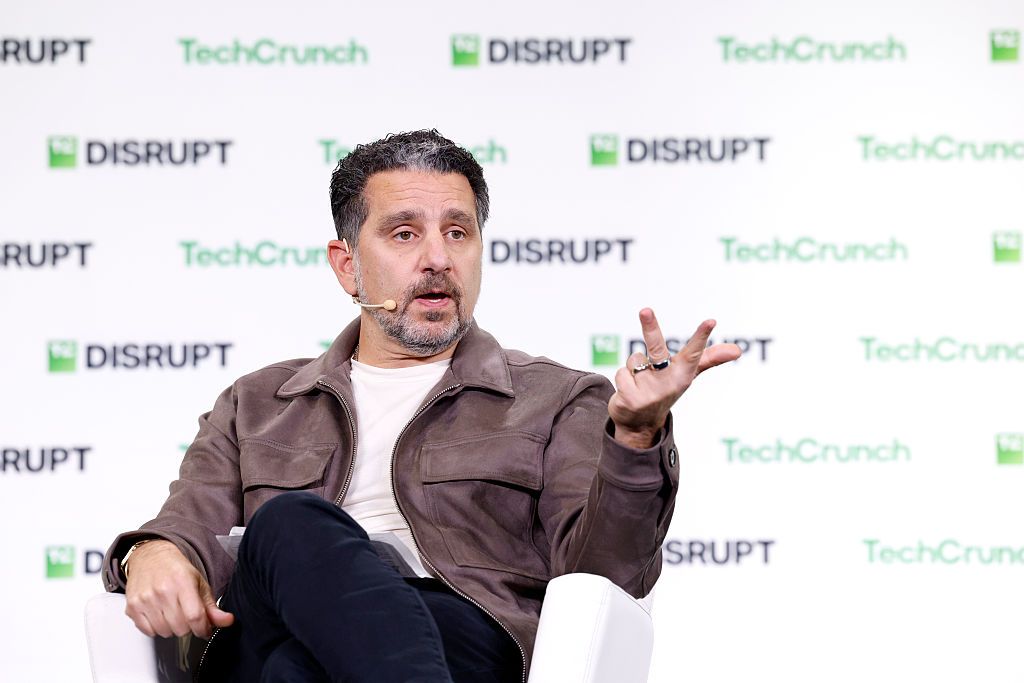
在推出其来自Bee的全新AI可穿戴设备之际,亚马逊设备、Alexa及Leo部门高级副总裁帕诺斯·帕纳伊周四在TechCrunch Disrupt大会上发表演讲,深入阐述了他对个人计算未来走向的看法。
Alongside the launch of its new AI wearables from Bee, Panos Panay, who serves as Amazon’s SVP of Devices, Alexa & Leo, took the stage at TechCrunch Disrupt on Thursday to talk in more depth about where he sees personal computing headed.
“很多时候,你现在正在做的事情——我们现在所有人都在做的事情——是我们必须记住我们正在让工具为我们做什么,”帕纳伊开场说道,解释这就是我们与现代智能手机互动的方式。“这就像‘指向、拍摄、返回’,”帕纳伊继续说。“我认为我们正在迈向的世界是从环境设备开始的。”他所说的“环境设备”是指那些在后台静默运行、利用传感器和人工智能帮助你弄清楚需要做什么的设备,而不是反过来,由你告诉设备你需要做什么。
“A lot of times, what you’re doing right now — what we all do right now — is we have to remember what we’re asking our tool to do for us,” Panay began, explaining that this is how we engage with our modern smartphones. “It’s like point, shoot, return,” Panay continued. “I think where we’re headed is a world [that] starts with ambient devices.”By “ambient devices,” he means those that work quietly in the background, using sensors, and AI to help you figure out what needs to be done, instead of the other way around, where you’re telling the device what you need to do.
“随着它在后台运行,你能够更专注当下。你能够完成更多事情。你即将花更多时间陪伴他人……你也不必担心自己会错过某些事情。这非常强大,”帕纳伊表示。
“As it works in the background, you’re able to stay more present. You’re able to get more done. You’re about to spend more time with people… you’re not afraid if you miss something. It’s incredibly powerful,” Panay said.
亚马逊在此领域最大的布局是其周四推出的一系列全新Bee设备,其中包括一款可佩戴在手腕上的表带,亦可拆卸后作为吊坠佩戴,以及一款信用卡大小的设备,可通过磁吸方式附着在智能手机背面。
Amazon’s biggest entry into this space is the set of new Bee devices it introduced on Thursday, which include a band you can wear on your wrist or detach to wear as a pendant, as well as a new credit-card-sized device that attaches magnetically to the back of your smartphone.
这些设备会被动录音并记录你一天的活动,找出你日后可能需要回顾的待办事项、提醒和洞察。为了在实用性与用户隐私之间取得平衡,Bee的设备实际上不会存储你对话的原始音频;它们会实时处理音频,并在处理完成后删除它。对话的转录文本将使用你的设备自行生成并控制的密钥进行加密。这意味着除非你主动分享,否则没有人——包括亚马逊员工——能够访问这些文件。潘奈表示,隐私是这些新型环境设备应如何运作的关键考量。
These gadgets passively record audio and take notes about your day, finding the to-dos, reminders, and insights you may later need to refer back to. To balance the need to be useful with user privacy, Bee’s devices don’t actually store the raw audio from your conversations; they process the audio in real time and then delete it when done. Transcripts of conversations are encrypted using keys that your device creates and controls. That means no one else, including Amazon employees, can access those files unless you intentionally share them. Panay said that privacy was a key consideration for how these new ambient devices should work.
“你必须给予客户这种控制权,”他说。“每个产品都不同,但就Bee而言,作为环境空间中的一个例子,你必须以隐私为出发点进行设计。而这正是我们所做的。这至关重要。”这位在微软工作了19年、负责Surface设备研发后加入亚马逊的高管,一直在思考个人计算将如何演进。通过Bee — — 以及更广泛的环境计算 — — 潘奈还设想了一个未来:随着更多任务通过AI处理,与应用程序的交互将变得不那么重要。
“You have to give customers that control,” he said. “Every product is different, but for Bee specifically, as an example in the ambient space like that, you have to design with privacy in mind. And that’s what we do. That’s critical.”The executive, who came to Amazon after 19 years at Microsoft where he oversaw the development of Surface devices, has spent a lot of his life thinking about how personal computing will evolve. With Bee — and ambient computing more generally — Panay also envisioned a future where the idea of interacting with apps becomes less important, as more tasks are handled via AI.
“我认为我们正走向一个未来 — — 那里会有一种平衡 — — 一整代人不会再说‘给我那个应用’,而是说它应该直接理解我的需求。是的,我这么认为。我认为这种转变即将到来。我认为这就是下一代,”他说。
“Do I think we have a future where there’s a bit of a balance — a whole generation that doesn’t say ‘give me the app’ for that, but says it should just understand what I need? Yeah, I do. I think that transformation is coming. I think that is the next generation,” he said.
这并不一定意味着智能手机本身不会继续成为重要的个人计算设备(尽管亚马逊希望它成为Alexa平板或Echo智能音箱),潘奈指出。相反,他认为将会出现一批新设备,这些设备利用传感器更好地理解用户,并将智能带入你周围的世界。
That doesn’t necessarily mean the smartphone itself won’t continue to be an important personal computing device (as much as Amazon would like it to be an Alexa tablet or Echo smart speaker), Panay pointed out. Rather, he believes a new crop of devices will emerge that use sensors to understand users better, and to bring intelligence to the world around you.
“我不是那种认为某种形态将取代另一种形态的人,”他澄清道。“我不认为情况如此。我认为存在一种连接一切的智能层……而且它必须是有用的。”
“I’m not a proponent that says one form factor is going to replace another. I don’t think that’s the case,” he clarified. “I think there’s an intelligence layer that connects it all… and it has to be useful.”