日本正日益借助外国公司来加速其军事现代化进程,利用海外技术、专业知识和生产能力来弥补在涉及中国的潜在地区冲突中可能至关重要的防务短板。
Japan is increasingly turning to foreign companies to accelerate its military modernisation, drawing on overseas technology, expertise and production capacity to plug defence gaps that could prove critical in a potential regional conflict involving China.
过去一周,这一推动力度不断加强,东京确认与乌克兰拦截无人机公司签订合同,而一个多国战斗机联盟也在准备在日本扩大其设计业务。
The push has gathered momentum over the past week, with Tokyo confirming a contract for Ukrainian interceptor drones and a multinational fighter consortium preparing to expand its design operations in Japan.
法国国防巨头泰雷兹(Thales)据报道也在计划建设日本首家由外国运营的军事维修设施,最初将服务于海上自卫队。
French defence giant Thales is also reportedly planning what could become Japan’s first foreign-run military maintenance facility, initially serving the Maritime Self-Defence Force.
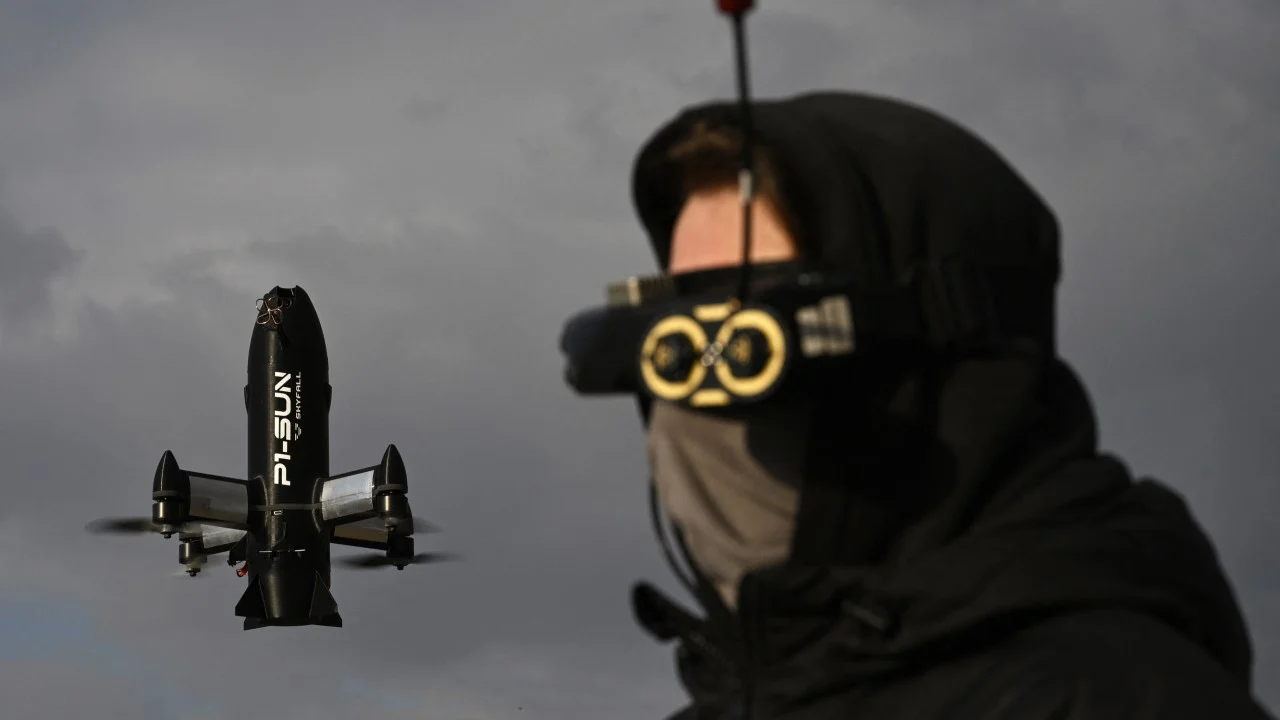
防卫大臣小泉进次郎上周五确认,日本已与乌克兰初创公司SkyFall签订拦截无人机采购合同。
Defence Minister Shinjiro Koizumi confirmed last Friday that Japan had signed a contract to acquire interceptor drones from Ukrainian start-up SkyFall.
该公司经过实战检验的P1-SUN系列产品旨在拦截无人机系统,包括侦察和攻击无人机,但东京尚未透露具体采购的型号。
The company’s combat-tested P1-SUN family is designed to intercept unmanned aerial systems, including reconnaissance and attack drones, but Tokyo has not disclosed which model it ordered.
此次采购是在日本快速通道大规模采购Terra B1拦截无人机之后进行的,该无人机由日本公司Terra Drone生产,后者还投资了两家乌克兰无人机制造商,以获取其军事技术和实战经验。
The acquisition follows Japan’s fast-track mass-procurement contract for the Terra B1 interceptor from Japanese company Terra Drone, which has also invested in two Ukrainian drone manufacturers to tap into their military technology and combat experience.
地经院高级研究员、前日本防卫省官员荻木博仁表示,东京的做法是一种“两阶段”策略:通过采购外国系统来解决紧急能力缺口,同时在长期内发展国内替代方案。
Hirohito Ogi, a senior research fellow at the Institute of Geoeconomics and a former Japanese defence ministry official, described Tokyo’s approach as a “two-phase” strategy of acquiring foreign systems to address urgent capability gaps while simultaneously developing domestic alternatives over the longer term.
他在过渡期间允许两者之间存在一定程度的重叠,以避免能力空白。
Some overlap between the two was acceptable to avoid capability gaps during the transition.
他指出,日本在单向攻击无人机和人工智能赋能的作战支援系统方面存在不足,表示虽然日本制造商具备技术专长,但缺乏来自“真实战场经验”的知-how。
He identified weaknesses in one-way attack drones and AI-enabled operational support systems, saying Japanese manufacturers had technical expertise but lacked know-how gained from “real-world battlefield experience”.
除了无人机,日本、英国和意大利国防公司合资企业埃奇温(Edgewing)计划明年在日本开设一个设计与开发中心,用于下一代战斗机项目。
Beyond drones, Edgewing, a joint venture of Japanese, British and Italian defence companies, plans to open a design and development centre in Japan next year for a next-generation fighter programme.
据日本新闻机构《日经》报道,爱知县的设施最终可能雇佣约1000人。
According to Japanese news service Nikkei, the Aichi prefecture facility could eventually employ around 1,000 people.
综合来看,这些发展表明日本在军事现代化方面的做法正在发生更广泛的转变。
Taken together, these developments point to a broader shift in Japan’s approach to military modernisation.
东京长期以来主要从美国采购外国制造的武器系统,但近年来也寻求与其他地方的伙伴合作,以获取先进技术、进行联合开发、生产和维护。东京承认国内产业的局限性。
Tokyo has long acquired foreign-made weapon systems, mainly from the United States, but in recent years it has also sought partners elsewhere for advanced technology, joint development, production and maintenance. Tokyo has acknowledged the limits of domestic industry.
其2026年国防白皮书强调了该国国防工业基础面临的压力,包括产量有限以及企业退出该领域。
Its 2026 defence white paper highlights pressures on the country’s defence-industrial base, including limited production volumes and companies withdrawing from the sector.
白皮书主张国际研发、授权生产和先进外国技术,而日本的国防建设计划则呼吁缩短开发周期,以更快速地部署急需的装备。
It advocates international research and development, licensed production and advanced foreign technology, while Japan’s Defence Buildup Programme calls for shorter development timelines to field urgently needed equipment faster.
支撑这一转变的是东京对地区安全局势的严峻评估,白皮书将北京日益增长的军事实力和活动标记为东京的“最大战略挑战”。
Underpinning this shift is Tokyo’s stark assessment of regional security, with the white paper labelling Beijing’s growing military power and activities as Tokyo’s “greatest strategic challenge”.
专家表示,与外国国防公司加强合作可能帮助日本更快获得经过实战检验的技术,分担开发先进武器所需的成本和专业知识,并扩大其生产和维护能力——这可能增强其应对中国人民解放军的能力。
Experts say closer cooperation with foreign defence companies could help Japan gain combat-tested technologies more quickly, share the costs and expertise required to develop advanced weapons, and expand its production and maintenance capabilities – potentially strengthening its ability to counter the People’s Liberation Army.
在7月发布的一项研究中,法国国际关系研究所日本与印太研究主管塞琳·帕容(Celine Pajon)认为,外国合作伙伴关系可能缓解日本不断上升的开发成本、生产限制以及对美国技术的依赖。
In a study released in July, Celine Pajon, head of Japan and Indo-Pacific research at the French Institute of International Relations, argued that foreign partnerships could ease Japan’s rising development costs, production constraints and dependence on US technology.
她的研究将更强大的国内国防工业与日本的“战略自主权”联系起来,并将欧洲国家确定为联合开发和技术共享的有前途伙伴。
Her study linked a stronger domestic defence industry to Japan’s “strategic autonomy” and identified European countries as promising partners for joint development and technology-sharing.
海军新闻网站日本记者、国防专家稻叶义弘指出,在无人武器、低成本导弹以及能够“处理海量信息”的人工智能方面存在差距。
Defence expert Yoshihiro Inaba, the Japan correspondent for the Naval News website, highlighted gaps in uncrewed weapons, low-cost missiles and AI capable of “processing vast amounts of information”.
安德罗尔、帕兰提尔和通用原子等公司正在支持日本解决这些不足的努力。
Companies such as Anduril, Palantir and General Atomics were among those supporting Japan’s efforts to address those shortfalls.
东京在其2027财年国防预算请求中,提议开发和采购低成本远程拦截导弹。
In its fiscal 2027 defence budget request, Tokyo proposed developing and acquiring low-cost stand-off missiles.
稻叶认为,进口此类武器可以帮助日本在发展国内替代方案的同时,快速提升远程打击能力,且无需对自卫队装备进行重大改变。
Inaba argued that importing such weapons could help Japan fast-track its long-range strike capabilities while developing domestic alternatives, without requiring major changes to Self-Defence Forces equipment.
他指出,中国对日本拥有日益增长的“数量优势”,包括其“性能强大但昂贵”的水面战斗舰艇舰队。
He pointed to China’s growing “quantitative advantage” over Japan, including its fleet of “highly capable but expensive surface combatants”.
因此,日本可以通过将现有国产导弹与“更大规模的低成本巡航导弹库存”相结合,并配备用于识别和瞄准这些舰艇所需的监视及指挥控制系统,从而提高应对这些舰艇的能力,他说。
Japan could therefore improve its ability to counter these vessels by combining its existing domestically produced missiles with “a larger inventory of lower-cost cruise missiles”, supported by the surveillance and command-and-control systems needed to identify and target them, he said.
不过,即使更大规模的廉价武器有助于日本应对中国军舰,在长期冲突中持续使用这些武器也将是一个独立的挑战。
Still, even if larger stocks of inexpensive weapons helped Japan to counter Chinese warships, sustaining their use throughout a prolonged conflict would pose a separate challenge.
帝京大学副教授松冈美里谨慎指出,更大的考验是东京是否能在长期冲突中按需“生产、维护和更换”军事装备。
Misato Matsuoka, an associate professor at Teikyo University, cautioned that the bigger test was whether Tokyo could “produce, maintain and replace” military equipment on the scale needed during a prolonged conflict.
她指出,中国远为庞大的国防工业基础赋予了其日本“不容易匹敌”的扩张能力。虽然外国合作伙伴关系可以帮助解决特定不足,但无法消除两国之间的根本性失衡。
She noted that China’s much larger defence-industrial base gave it a capacity for expansion that Japan “cannot readily match”. While foreign partnerships could help address specific shortcomings, they would not eliminate the fundamental imbalance between the two countries.
松冈还警告说,日本的军事准备可能会强化北京的认知,即东京及其合作伙伴正在“为对抗做准备”,从而加深相互不信任。
Matsuoka also warned that Japan’s military preparations could reinforce Beijing’s perception that Tokyo and its partners were “preparing for confrontation”, deepening mutual mistrust.
除了这些地缘政治风险,日本仍将面临重大的工业挑战。松冈表示,外国合作伙伴关系可能加速技术转移,但“可靠地大规模生产”武器需要熟练工人、合格供应商以及对零部件和材料的安全获取。
Beyond these geopolitical risks, Japan would still face major industrial challenges. Foreign partnerships could accelerate technology transfers, Matsuoka said, but producing weapons “reliably at scale” required skilled workers, qualified suppliers and secure access to components and materials.
松冈警告说,依赖外国出口批准、软件支持和关键零部件,可能会使日本在与中国发生冲突时处于脆弱地位。
Reliance on foreign export approvals, software support and critical components could leave Japan vulnerable during a conflict with China, Matsuoka warned.
如果日本获得的系统“无法自行维修、改造或补充”,也可能难以维持作战。
Japan could also struggle to sustain operations if it acquired systems it “cannot repair, modify or replenish independently”.
大木还警告说,外国国防公司在日本日益增长的存在,并不一定反映东京的军事需求。他辩称,此类举动“主要是出于外国公司的商业利益”,因为它们预计日本国防开支将进一步增加。
Ogi also cautioned that foreign defence companies’ growing presence in Japan did not necessarily reflect Tokyo’s military requirements. Such moves were “primarily motivated by the commercial interests of foreign companies”, he argued, as they anticipated further increases in Japanese defence spending.
对日本而言,挑战在于将外国技术和专业知识迅速转化为军事能力,以应对中国的一些优势,同时确保如果更长时间的冲突扰乱海外供应链,这些系统仍能得到维护、生产和补充。“外国合作并不消除依赖;它只是重新分配依赖,”松冈说。
For Japan, the challenge will be turning foreign technology and expertise into military capabilities quickly enough to address some of China’s advantages, while ensuring those systems can be maintained, produced and replenished if a longer conflict disrupts overseas supply chains. “Foreign cooperation does not eliminate dependence; it redistributes it,” Matsuoka said.