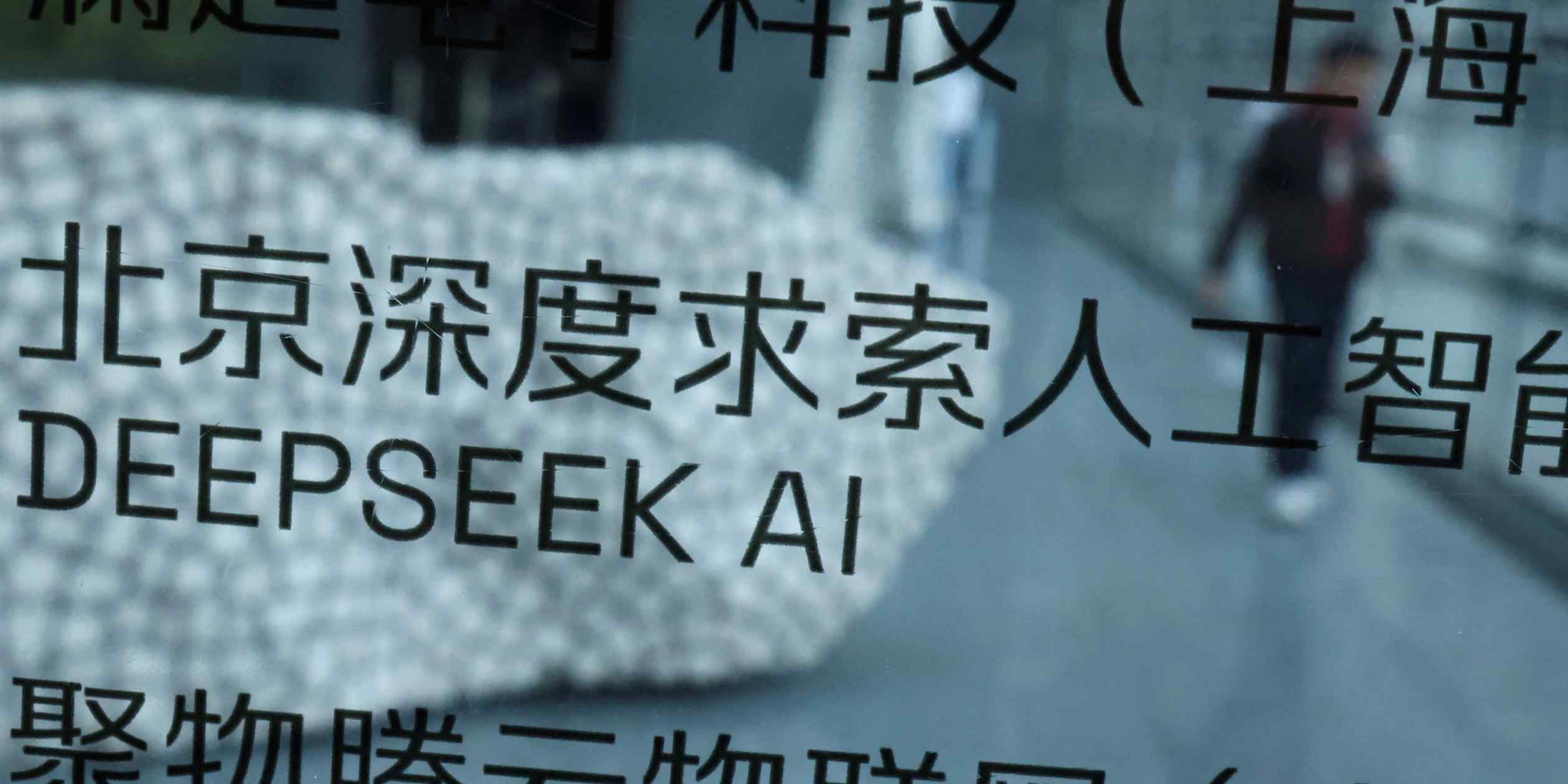
广州 -- DeepSeek周四遭遇大约五小时的服务中断,导致该中国人工智能初创公司的V4-Pro和V4.1-Flash模型以及聊天服务在上午8点至下午1点期间无法使用。
GUANGZHOU -- DeepSeek suffered an outage for around five hours Thursday, leaving the Chinese artificial intelligence startup's V4-Pro and V4.1-Flash models and chat services unusable from 8 a.m. to 1 p.m.
公司尚未确定原因,但一些人指出计算资源不足可能是导致因素之一。
The company has not identified a cause, but some point to insufficient computing resources as a likely factor.
付费订阅用户获得了10月8日至10月14日期间的部分退款,以未来服务的积分形式返还。中国媒体曾报道过3000元人民币(约合450美元)的退款案例。
Paid subscribers received partial refunds for Oct. 8 to Oct. 14 in the form of credits for services in the future. Chinese media have reported examples of refunds of 3,000 yuan ($450).
DeepSeek此前也曾出现过服务中断和变慢的情况。该公司在推出R1模型时——该模型据公司称以低成本提供高性能,导致全球科技股下跌——在2025年1月和2月曾遭遇一波问题。
DeepSeek has experienced outages and slowdowns before. When launching its R1 model -- which the company said offered high performance at low cost, causing technology stocks to fall globally -- it suffered a wave of problems in January and February of 2025.
2026年,自7月和8月V4-Flash和V4-Pro正式发布以来,问题明显增多。本周的中断似乎是其中较为严重的案例之一。
In 2026, issues have increased noticeably since July and August following the official release of V4-Flash and V4-Pro. This week's outage appears to be among the more serious cases.
9月10日V4.1-Flash(一种低成本模型)发布后使用量激增可能产生了影响。
A rise in usage after the Sept. 10 launch of V4.1-Flash, a lower-cost model, may have had an impact.
一些中国媒体报道称,存在计算资源与使用量不匹配的情况,也有问题源于处理能力分配问题的案例。
Some Chinese media outlets report cases of mismatches between computing resources and usage volumes, as well as cases where problems stem from issues with the allocation of processing power.
DeepSeek预计将很快完成一轮来自外部投资者的融资,规模可能达到1000亿元人民币。中国投资基金和互联网巨头腾讯控股均在投资者之列。
DeepSeek is expected to soon complete a round of fundraising from outside investors that could reach 100 billion yuan. Chinese investment funds and internet conglomerate Tencent Holdings are among the investors.
所筹集的资金很可能用于计算资源,包括购买芯片,由于美国对华高性能半导体设备出口限制,这些芯片必须来自国内供应商。
The money raised will likely go toward computing resources, including purchases of chips, which must come from domestic suppliers because of U.S. restrictions on exports of high-performance semiconductor devices for AI to China.