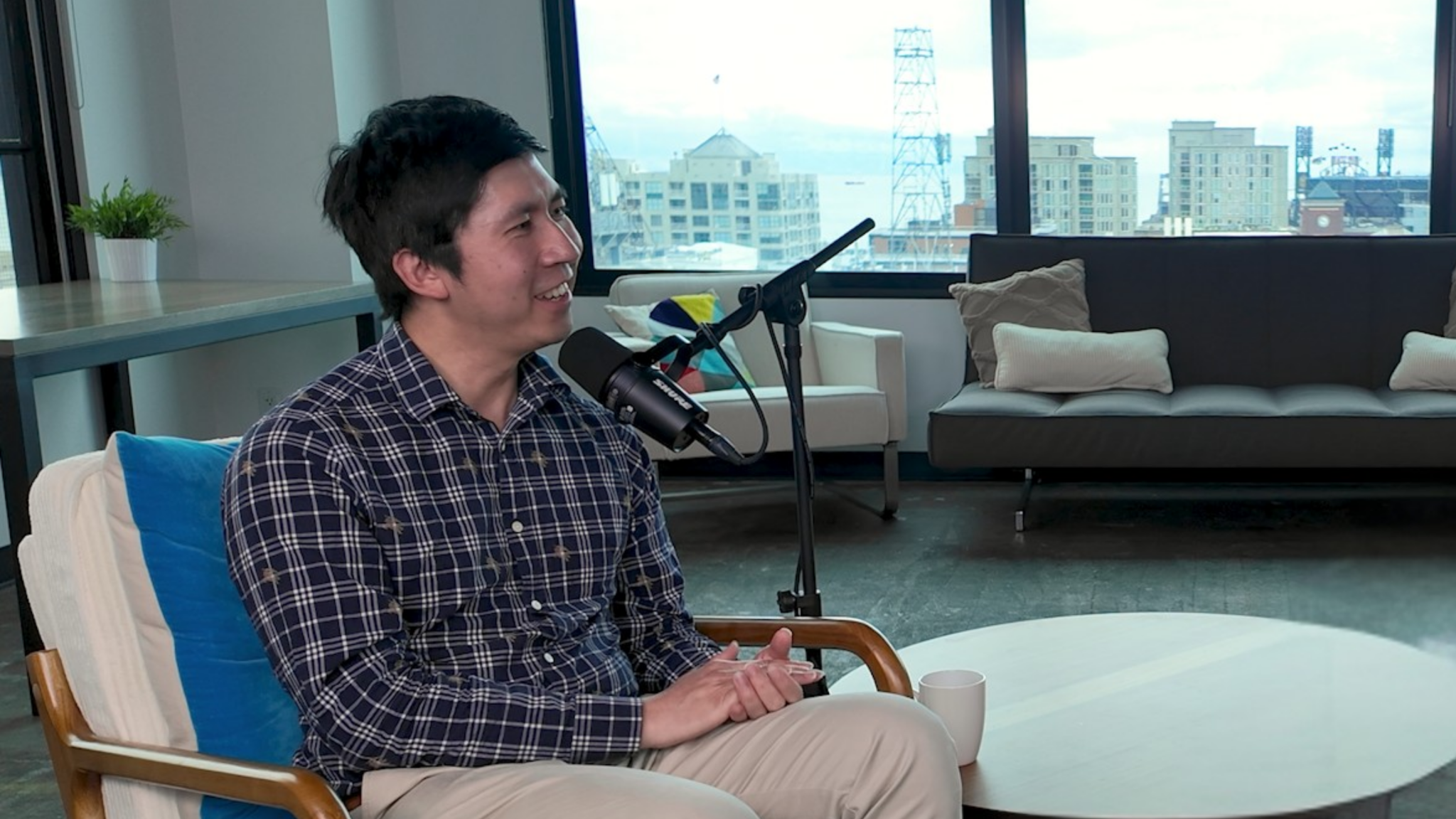
Elorian,这家在推出产品前就以3亿美元估值完成5500万美元种子轮融资的帕洛阿尔托AI初创公司,于周五发布了其首个模型,TechCrunch独家获悉。
Elorian, the Palo Alto AI startup that raised a $55 million seed round at a $300 million valuation before it launched a product, released its first model on Friday, TechCrunch has exclusively learned.
该模型名为Glimpse,以研究预览形式推出,提供API访问和聊天界面,但目前仅限等候名单用户,因此目前仅呈现为结果表和一篇论文。论文的核心观点是:尽管当前AI模型在语言和代码方面能力出众,但它们仍无法真正“看见”。
The model, Glimpse, is launching as a research preview with API access and a chat interface is waitlist-only, so for now it’s a results table and a thesis. The thesis? Today’s AI models, for all their skill with language and code, still can’t really see.
大多数多模态模型只会看一次图像,将其转换为标记,然后基于文本进行推理——就像凭记忆描述一张照片。而Glimpse会反复回到原始来源。在推理过程中,它可以裁剪到特定区域、从视频中提取特定帧,或运行代码来测量或比较其所观察的内容,Elorian称这一机制为“视觉草稿空间”。想象一下有人在手机上捏合放大照片以确认自己所看到的内容。
Most multimodal models look at an image once, convert it to tokens, and then reason about it in text — like describing a photo from memory. Glimpse keeps going back to the source. Mid-reasoning, it can crop into a region, pull specific frames from a video, or run code to measure or compare what it’s looking at, a mechanism Elorian calls a “visual scratch space.”Think of someone pinching to zoom on a phone photo to double-check what they thought they saw.
正如谷歌DeepMind研究员、Elorian首席执行官Andrew Dai所说,AI仍然无法真正“看见”的最明显迹象之一去年游戏之夜就已显现。
mer Google DeepMind researcher and Elorian CEO Andrew Dai, one of the clearest signs that AI still couldn’t really see came on game night.
去年他与朋友完成一局桌游后拍下了照片,并询问前沿模型谁在获胜。但模型无法回答。他告诉TechCrunch:“桌游‘各有其自身的视觉语言,各有其自身的图像符号、符号’。”“对成年人来说,几乎不用文字就能轻松理解发生了什么,但这些模型无法直觉地理解这些符号的含义。”他问道:“人类可以看看IKEA的说明图(无需文字),然后组装IKEA家具,对吧?那为什么AI模型做不到?”
Last year he photographed a board game he’d just finished with friends and asked a frontier model who was winning. It couldn’t say. Board games “each have their own visual language, each have their own iconography, symbols,” he told TechCrunch. “To an adult, it’s quite easy to understand what’s going on with minimal text, but these models aren’t able to intuit what the symbols mean.”“Humans can look at IKEA diagrams, with no text, and assemble IKEA furniture, right? Why can’t AI models?” he said.
这种方法并非全新——OpenAI在2025年曾将裁剪和放大功能加入其o系列模型的推理过程中——但Elorian的主张是,它围绕这一机制构建了整个模型,且成本低廉。公司表示,一个小团队仅用几百块GPU就训练出了Glimpse模型,且该模型在规模上明显小于其所对标的前沿系统。
The approach isn’t completely new — OpenAI added crop-and-zoom during reasoning to its o-series models in 2025 — but Elorian’s pitch is that it built the whole model around it, cheaply. The company says a small team trained Glimpse on a few hundred GPUs and that the model is substantially smaller than the frontier systems it’s benchmarked against.
Glimpse 的输入成本为每百万 token 0.60 美元,输出成本为每百万 token 3 美元 — — 比中等水平的模型如 Sonnet 和 Sol 更便宜,但比轻量级模型如 Haiku 和 Luna 更贵。
Glimpse costs $0.60 per million tokens in and $3 per million tokens out — cheaper than mid-level models like Sonnet and Sol but more expensive than lightweight models like Haiku and Luna.
但根据 Elorian 的评估,Glimpse 在科学图表推理和短视频字幕生成方面的表现甚至优于 GPT-6 Astra,在其他视觉推理任务上也取得了有竞争力的结果。
But according to Elorian’s evaluations, Glimpse outperforms even GPT-6 Astra on scientific chart reasoning and short-form video captioning, with competitive results on other visual reasoning tasks.
Elorian 在六个月前以隐身模式运营后正式亮相,其融资轮由 Striker Venture Partners、Menlo Ventures 和 Altimeter Capital 共同牵头,Nvidia 以及谷歌首席科学家杰夫·迪恩(Jeff Dean)也参与了投资。
Elorian came out of stealth six months ago with a round co-led by Striker Venture Partners, Menlo Ventures and Altimeter Capital, with participation from Nvidia and Google chief scientist Jeff Dean.
初始目标客户是拥有大量视频数据的公司:机器人公司、科学实验室、媒体和创意公司。长期来看,Elorian 想要从“看到”转向“做到”。这意味着利用场景模型来选择行动,包括直接控制机器人。Dai 表示,明年公司的目标是打造“全球最佳视觉推理模型”,即在所有视觉推理测试中表现领先的模型。
The initial targets are companies sitting on lots of video: robotics firms, scientific labs, media and creative companies. Longer term, Elorian wants to move from seeing to doing. That means building a model of a scene using that to choose an action, including directly controlling robots. Next year, Dai said, the company aims to build “the world’s best visual reasoning model,” one that leads on every visual reasoning test.