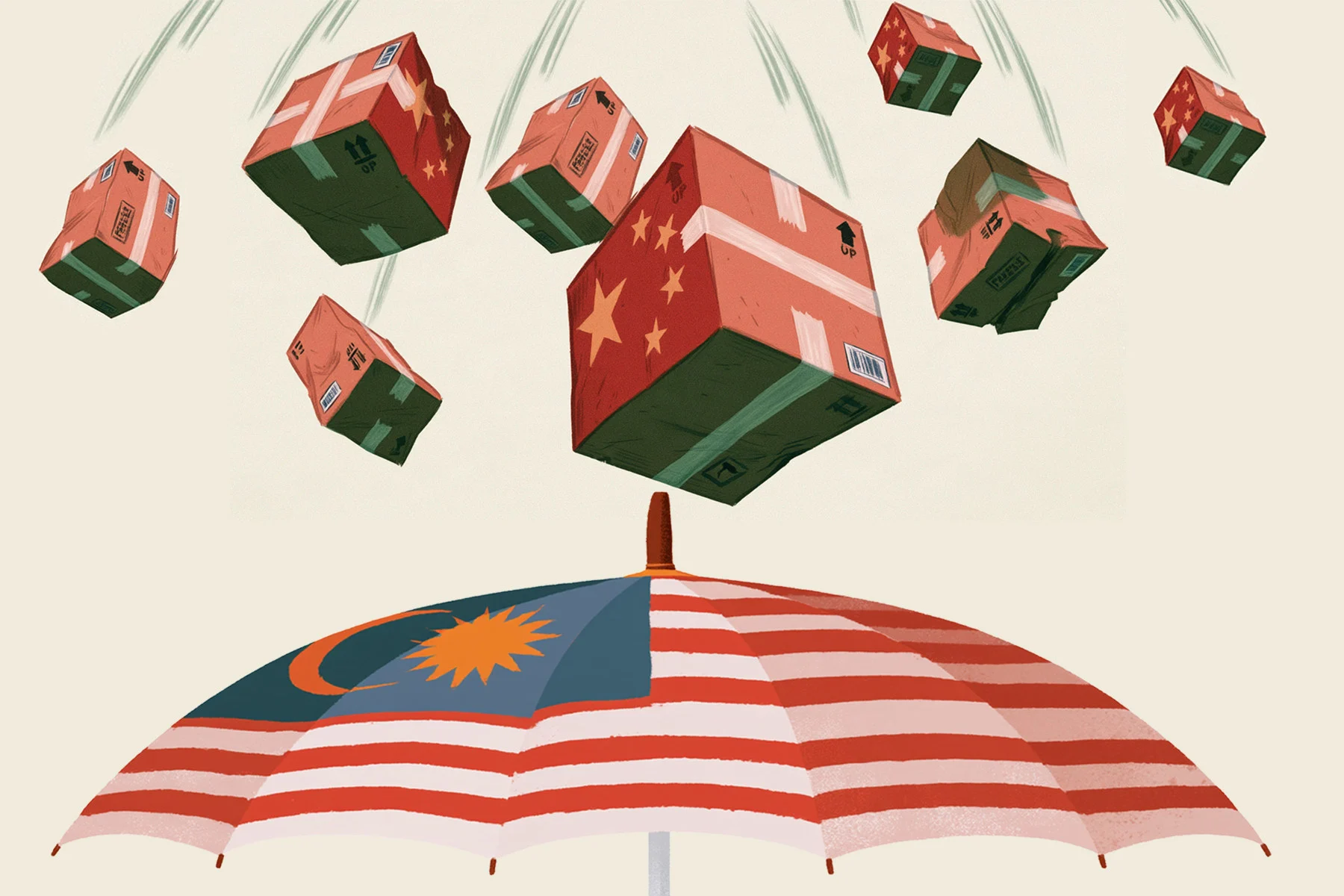
回顾过去,Esha Yusof加入越来越多被中国电商巨头拼多多吸引的马来西亚购物者的行列,只是时间问题。
In hindsight, it was only a matter of time before Esha Yusof joined the growing ranks of Malaysian shoppers being drawn to Chinese e-commerce giant Pinduoduo.
Esha是该平台的相对新用户。她于7月注册,比平台在马来西亚上线晚了半年多——自那时起,她就对它情有独钟。
Esha is a relative newcomer. She signed up in July, more than half a year after the platform launched in Malaysia – and has been smitten with it ever since.
低价、商品种类丰富以及通过当地流行电子钱包的无缝支付,使得这位32岁的用户每月平均花费500令吉(约合122美元)购买从家居装饰、厨房用品到时尚和文具的各类商品。
Rock-bottom prices, a vast range of products and seamless payments through a popular local e-wallet make it easy for the 32-year-old to spend an average of 500 ringgit (US$122) a month on everything from home decor and kitchen supplies to fashion and stationery.
“多数商品比马来西亚本地市场便宜得多。很难作比较,因为它们直接来自中国的工厂或仓库,”为竞争对手电商平台工作的Esha说道。
“Most items are much cheaper than in the Malaysian market. It’s hard to compare because they come directly from factories or warehouses in China,” said Esha, who works for a competing e-commerce site.
配送至少需要两周,远长于该应用许多本地竞争对手。但这种延迟产生了与人们预期相反的效果。
Delivery takes at least two weeks, far longer than many of the app’s local rivals. But that delay has had the opposite effect to the one you might expect.
“由于等待时间长,几乎每周购买一次更合理,这样当包裹每周持续送达时,等待感会变短,”Esha说,并补充称她仍会为紧急订单使用本地平台。
“With the long wait, it makes more sense to buy almost every week, so the wait feels shorter when parcels keep arriving every week,” Esha said, adding that she still used local platforms for urgent orders.

如今,许多马来西亚人也在这样做。自该应用去年12月在马来西亚上线以来,社交媒体上充斥着高兴的购物者晒出他们的战利品,从智能手机到沙发,从卫生纸卷到甚至水泥袋。
Many Malaysians are now doing the same. Since the app’s launch in the country last December, social media has been awash with delighted shoppers showing off their hauls, from smartphones to sofas, rolls of toilet paper and even bags of cement.
但通过拼多多等平台直接从中国运送的商品需求激增,往往以当地零售商和制造商难以匹敌中国对手的深度折扣为代价。
But surging demand for goods shipped direct from China through the likes of Pinduoduo often comes at the expense of local retailers and manufacturers that struggle to match their Chinese rivals’ deep discounts.
与此同时,涌入马来西亚的数百万个包裹及其产生的废弃物,正在考验该国收集和处理废弃物的能力极限。
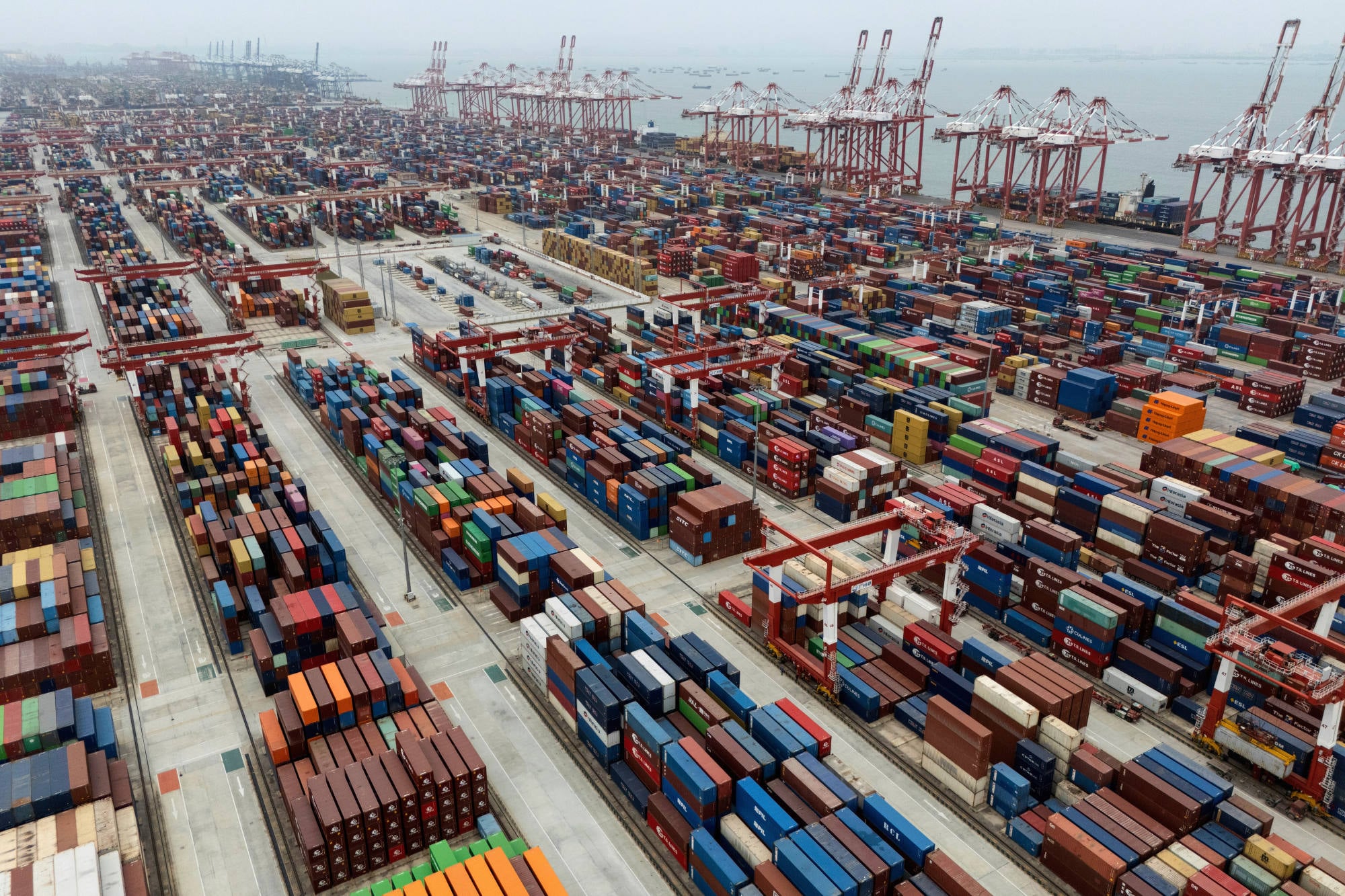
Meanwhile, the millions of parcels flooding into Malaysia and the waste they create are testing the limits of the country’s ability to collect and dispose of it all.
拼多多远不是马来西亚唯一活跃的电商平台。马来西亚的小型本地企业,尤其是实体零售和制造业,早在更早进入市场的 Lazada 和 Shopee 等平台的激烈竞争中,就已经看到利润空间被压缩。
Pinduoduo is far from the only e-commerce platform active in Malaysia. Small local businesses, especially in physical retail and manufacturing, have already seen their margins shrink amid intense competition from earlier entrants like Lazada and Shopee.
然而,拼多多的进入引发了本地企业的强烈反响,它们抱怨来自中国的更大竞争对手通过直邮方式不公平地将它们挤出了自身市场。
Still, the app’s arrival has prompted an outcry from local businesses, who complain that direct shipments from far larger competitors in China have unfairly priced them out of their own market.
从中国直接发货是拼多多自2015年成立以来推动其增长的核心策略,这也让淘宝和京东等更成熟的电商玩家感受到了压力。Lazada 和 淘宝 都是阿里巴巴集团的子公司,而阿里巴巴集团也拥有《南华早报》。
Shipping direct from China is the strategy that has powered Pinduoduo’s growth since its founding in 2015, giving more established e-commerce players such as Taobao and JD.com a run for their money. Lazada and Taobao are subsidiaries of Alibaba Group, which also owns the South China Morning Post.
拼多多的帝国建立在一个简单的前提之上:允许消费者将采购需求汇总,直接与工厂和批发商下大单,以获得更优惠的价格。
Pinduoduo built its empire on a simple premise: allow consumers to pool their purchases into bulk orders directly with factories and wholesalers to get better deals.
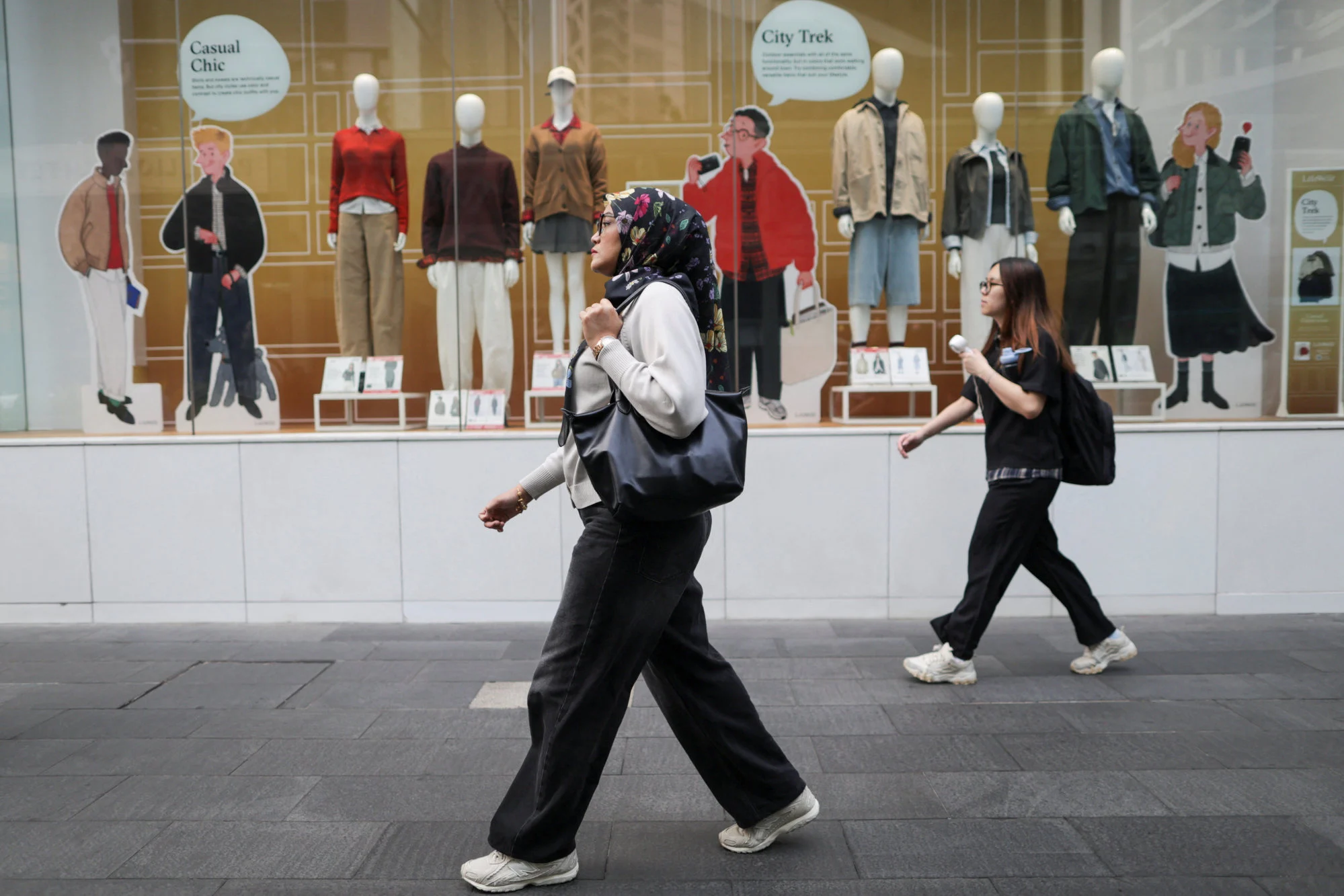
“外国电商平台低价产品的涌入正对马来西亚零售商、批发商和制造商造成巨大压力,尤其是微型和小型企业,”马来西亚中小企业协会主席陈志祥表示。该协会是该国中小企业(SMEs)的伞形组织。
“The influx of low-priced products from foreign e-commerce platforms is putting tremendous pressure on Malaysian retailers, wholesalers and manufacturers, particularly micro and small businesses,” said Chin Chee Seong, president of the SME Association of Malaysia, an umbrella body for the country’s small and medium-sized enterprises (SMEs).
陈志祥表示,今年运营成本已上涨80%或更多,他引用了该协会4月份的一项调查,调查显示76%的受访者表示受到燃料和能源成本上升的严重冲击,而45%的受访者表示正为未来六个月可能出现的现金流紧张做准备。
Chin said operational costs had shot up by 80 per cent or more this year, citing an SME Association survey in April that found 76 per cent of respondents reported being hit hard by rising fuel and energy costs, with 45 per cent bracing themselves for a cash-flow crunch over the next six months.
“马来西亚中小企业正遭受双重夹击——运营成本上升和价格竞争日益激烈。许多企业根本负担不起继续降价的成本,”他说。
“Malaysian SMEs are being squeezed from both sides – rising operating costs and increasingly aggressive price competition. Many simply cannot afford to keep reducing their prices,” he said.
中小企业活动的广泛低迷将对经济造成灾难性影响。微型、小型和中型企业占马来西亚所有注册企业的近97%,雇佣约800万人,约占整个劳动力的一半。
A widespread slump in SME activity would be disastrous for the economy. Micro, small and medium-sized enterprises account for nearly 97 per cent of all registered businesses in Malaysia and employ around 8 million people, roughly half the entire workforce.
“随着当地商店和企业销售额下降或停止运营,他们将减少招聘,并减少对银行、广告、会计和其他商业服务等支持性服务的需求,”马来西亚智库社会经济研究中心执行董事李兴贵说。
“As local shops and businesses lose sales or cease operations, they will reduce hiring and reduce demand for supporting services such as banking, advertising, accounting and other business services,” said Lee Heng Guie, executive director of the Socio-Economic Research Centre, a Malaysian think tank.
“关闭的商店将导致商业和零售场所空置,房东可能被迫降低租金以吸引更少的可用租户,从而减少房产收入。”进口消费品零售商,从时尚到一般商品,很可能成为最直接和最明显的受害者。然而,经济学家警告说,更大的危险在于对马来西亚至关重要的制造业部门的威胁。
“Closed shops result in commercial and retail outlet vacancies, and the landlords may be forced to reduce rents to attract fewer available tenants, reducing property income.”Retailers of imported consumer goods, from fashion to general merchandise, are likely to be the most immediate and visible casualties. Yet economists warn that the greater danger is that posed to Malaysia’s all-important manufacturing sector.
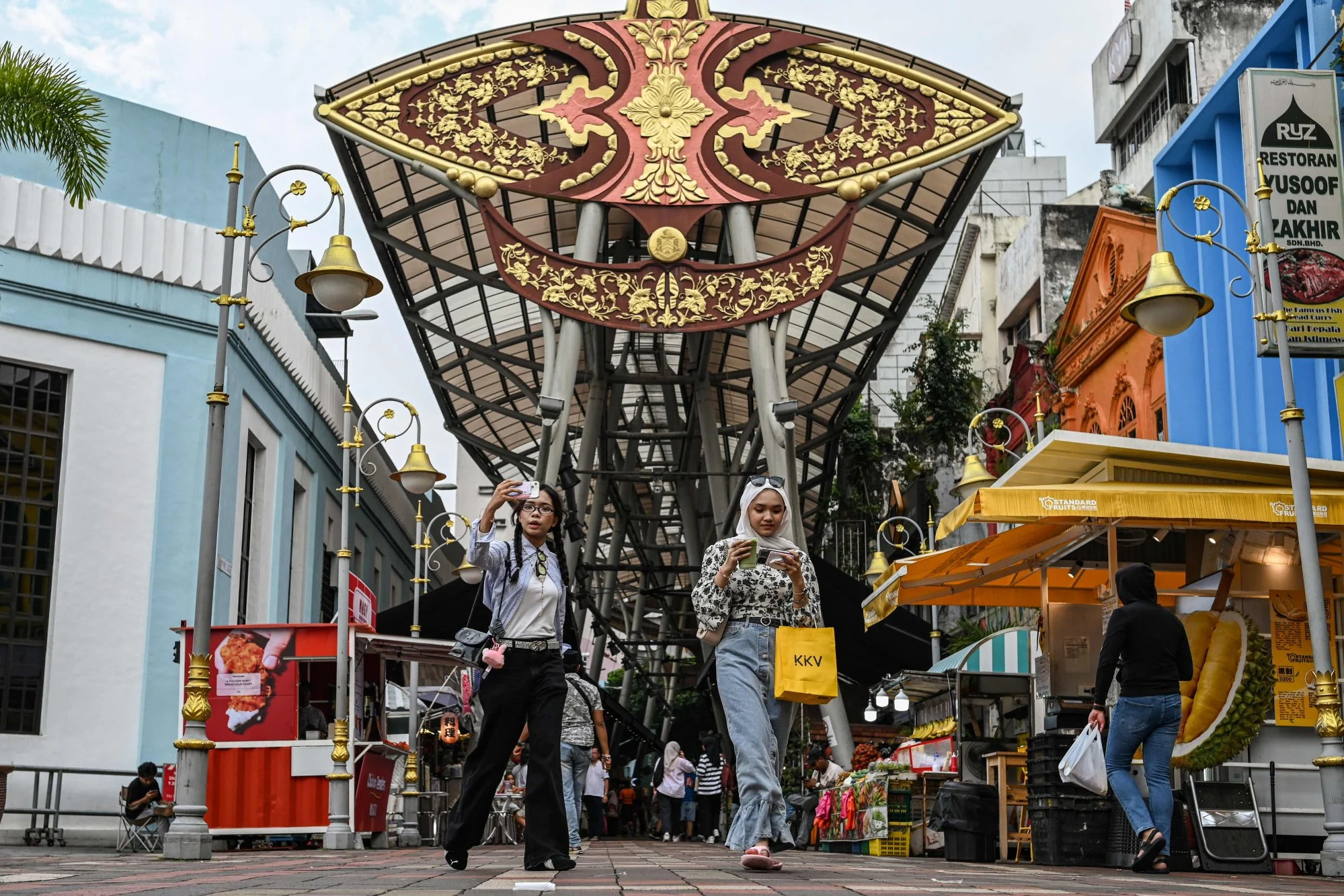
马来西亚阳光大学经济学家叶金龙表示,转向从海外卖家购买电子产品、服装、鞋类、化妆品和家具的快速转变可能导致本地工厂永久失去国内市场份额。
The rapid shift to buying electronics, apparel, footwear, cosmetics and furniture from overseas sellers could cause local factories to permanently lose their share of the domestic market, said economist Yeah Kim Leng of Sunway University.
“这一区别很重要,因为零售业的替代可能是暂时的,因为商人可以转向服务或利基产品,而制造能力一旦丧失,重建起来要困难得多,”他说。
“The distinction matters because retail displacement can be transitional as traders pivot to services or niche products, whereas manufacturing capacity, once lost, is far harder to rebuild,” he said.
电子商务在马来西亚始于2010年代中期,但在Covid-19疫情期间需求真正爆发,当时严格的出行限制迫使数百万人在2020年至2022年间在线购物。
E-commerce began taking root in Malaysia in the mid-2010s, but demand truly exploded during the Covid-19 pandemic, when strict movement restrictions forced millions of people to do their shopping online between 2020 and 2022.
这一习惯在随后的几年里变得更加根深蒂固。根据最新可获得的政府数据,2025年马来西亚预计递送了9亿件包裹,比十年前的5200万件增加了数倍。
That habit has become even more deeply ingrained in the years since. An estimated 900 million parcels were delivered across Malaysia in 2025, according to the latest available government data, a multifold increase from the 52 million a decade earlier.
电商平台的吸引力显而易见。肯昆研究公司股权和市场分析师在二月的一份报告中预测,马来西亚电商商品的价值将在2027年达到1.5万亿令吉,较2024年的1.2万亿令吉(2689亿美元)有所增长。但这种过度消费的倾向可能会超越该国处理大量垃圾的能力。
The appeal for e-commerce players is clear. A February note from equity and market analysts at Kenanga Research forecast that the value of e-commerce merchandise in Malaysia would reach 1.5 trillion ringgit in 2027, up from 1.2 trillion ringgit in 2024 (US$268.9 billion). But this penchant for hyper-consumption could overwhelm the country’s capacity to deal with the vast amounts of rubbish generated.
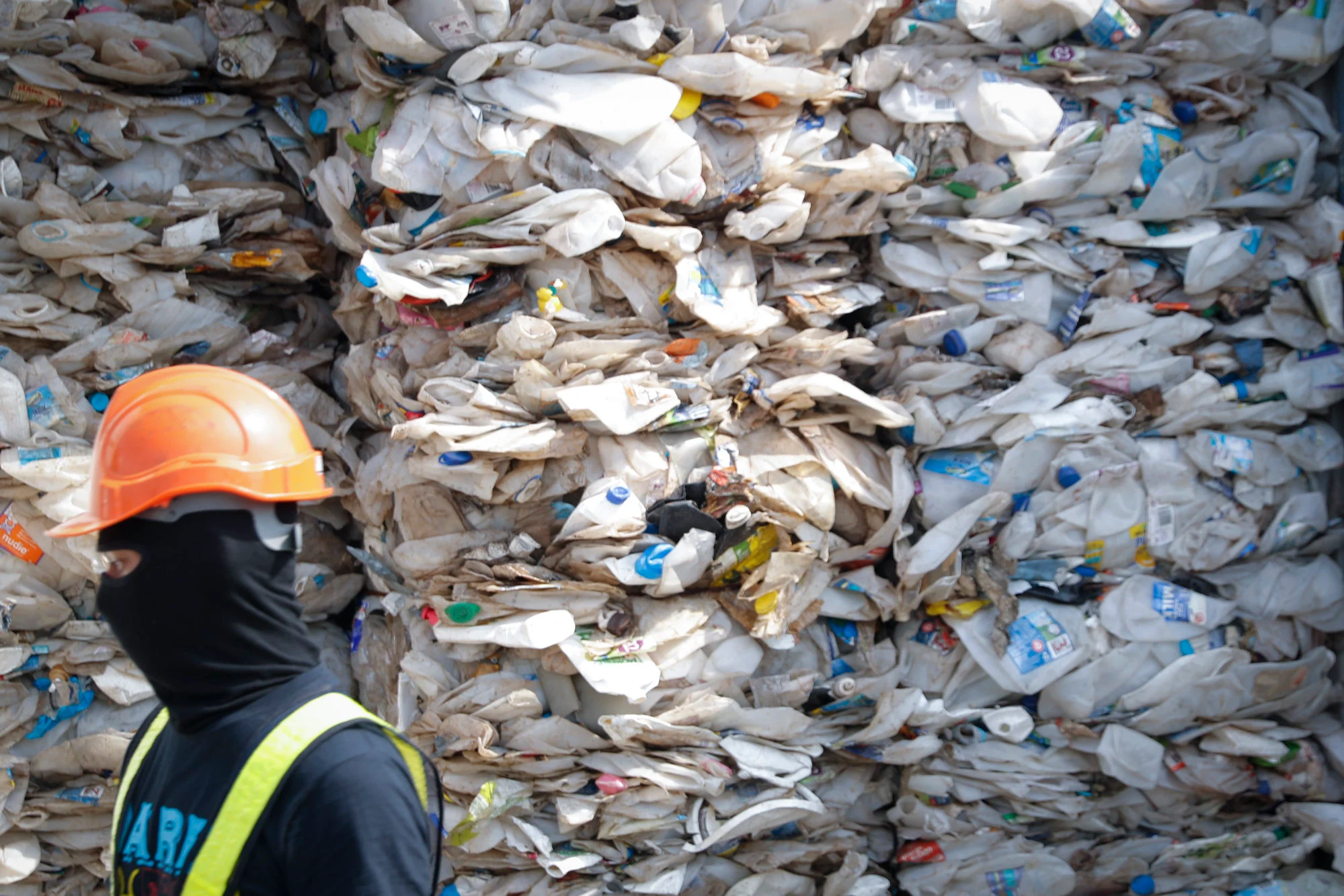
根据政府去年的数据,马来西亚的135个垃圾填埋场已经接近饱和,日均处理固体废物3.9万吨。任何电商货运量的增加几乎肯定会加剧垃圾堆的增长。
Malaysia’s 135 landfills are already close to capacity, handling an average of 39,000 tonnes of solid waste daily, according to government figures from last year. Any increase in e-commerce shipments will almost certainly add to the growing trash pile.
政府还指出,可回收材料的回收率仅为37.9%,家庭和地方议会层面的废物分类做法也很差。
The government has also pointed to a low recycling rate of 37.9 per cent of recoverable materials and poor waste separation practices at household and local council levels.
“线上购物的增长部分受到具有竞争力的价格和便利性的推动,导致包装废物的体积增加,”马来西亚非营利组织环境保护协会副主席兰道夫·杰雷米亚说。
“The growth of online shopping, driven partly by competitive prices and convenience, has increased the volume of packaging waste,” said Randolph Jeremiah, vice-president of the non-profit Environmental Protection Society Malaysia.
“虽然一些在线平台、零售商和制造商已经开始减少包装并转向使用更可回收的材料,例如用纸张填充代替聚苯乙烯,但这些努力可能不足以跟上消费增长的步伐。”政府已经推出了一系列政策,试图现代化固体废物管理,扩大可持续塑料和材料的使用,鼓励回收并减少废物产生。
“Although some online platforms, retailers and manufacturers have begun reducing packaging and switching to more recyclable materials, such as paper filling instead of polystyrene, these efforts may not be sufficient to keep pace with rising consumption.”A raft of government policies has been introduced in an attempt to modernise solid waste management, broaden the use of sustainable plastics and materials, encourage recycling and reduce waste generation.
但杰雷米亚表示,如果问题不能从源头得到解决,这些宏大的计划就毫无意义。他补充说,只有少数平台、零售商和制造商在减少不必要的包装方面的努力需要扩展到整个供应链。
But grand plans meant little if the problem was not addressed at the source, said Jeremiah, adding that efforts to reduce unnecessary packaging by a handful of platforms, retailers and manufacturers needed to be extended across the entire supply chain.
“同时,消费者应该做出更明智的购买决定,并正确进行废物分类和回收,”他补充道。
“At the same time, consumers should make more informed purchasing decisions and practice proper waste separation and recycling,” he added.
然而,海外电商的冲击对马来西亚来说也并非全是坏消息。对一些人而言,失去某一领域的业务反而为另一领域带来了机遇。
The overseas e-commerce blitz is not all bad news for Malaysia, however. For some, losing business in one area opens up opportunities in another.
“过去几个月,我们的小件包裹配送需求下降了40%,因为很多人现在可以直接在家收到商品,”一位要求匿名的当地快递运营商说。
“We had a 40 per cent drop in demand over the past few months for small parcel deliveries because a lot of people can just get their items delivered straight to their homes,” said a local courier operator who asked not to be named.
“但对家具、厨房用品甚至工厂和建筑工地使用的机械等大件物品的运输需求却有所上升。”该运营商表示,他们在中国广州——中国的出口航运枢纽——早期投资仓储空间,这在确保客户来源稳定方面起到了关键作用。他补充道:“如今很多客户直接从中国工厂采购商品,因此我们在那里拥有自己的仓库,能够轻松为他们安排运输。”即使担心海外直销带来冲击的创业者也能享受到购物带来的节省。
“But demand has gone up for shipments of bigger items like furniture and kitchenware and even machinery for factories and construction.”An early investment in warehouse space in Guangzhou, China’s outbound shipping hub, made all the difference for them in securing a steady stream of clients, the operator said, adding: “A lot of our customers nowadays buy direct from factories in China, so having our own warehouse there makes it easy to arrange shipments for them.”Even entrepreneurs worried about the fallout from direct-to-consumer sales from overseas enjoy the savings as shoppers.
“也要看看硬币的另一面。消费者非常高兴。我很高兴能够只花12令吉就买到袜子,”中小企业协会的陈说。
“You must also look at the other side [of the coin]. The consumer is very happy. I’m very happy that I can buy my socks for just 12 ringgit,” said the SME Association’s Chin.
他表示,当地企业所期望的并不是阻止拼多多等外国电商巨头在马来西亚销售,而是实现公平竞争的环境。
What local businesses wanted was not to stop Pinduoduo and other foreign e-commerce giants selling in Malaysia, he said, but a level playing field.
根据马来西亚法律,2024年起对价值500令吉或以下的低价值商品征收10%的销售税,以覆盖进口商品。但贸易团体表示,许多直接海外运输的商品漏税而过,使外国卖家获得了优势。
Under Malaysian law, a 10 per cent sales tax on low-value goods took effect in 2024 to cover imported items worth 500 ringgit or less. But trade groups say many direct overseas shipments slip through untaxed, giving foreign sellers an edge.

当地产业也警告称,直接运输的电子产品和玩具等商品不受马来西亚安全法规约束,可能危及消费者安全。
Local industries have also warned that directly shipped items such as electronics and toys are not subject to Malaysian safety regulations and may endanger consumers.
“马来西亚企业不应仅仅因为它们缴纳当地税收、雇佣马来西亚劳工并遵守我们的法律法规而处于不利地位,”陈说。“我们必须在保护消费者利益的同时,不牺牲马来西亚企业、就业和国内制造业生态系统。”马来西亚首相安瓦尔·伊布拉欣在10月9日公布明年预算时表示,政府将在下次议会会议上提出一项电子商务法案,以弥补立法和执法方面的漏洞,保护本地企业免受不公平竞争的影响。
“Malaysian businesses should not be disadvantaged simply because they pay local taxes, employ Malaysian workers and comply with our laws and regulations,” Chin said. “We must protect consumer interests without sacrificing Malaysian businesses, jobs and our domestic manufacturing ecosystem.”When unveiling next year’s budget on October 9, Malaysian Prime Minister Anwar Ibrahim said the government would introduce an e-commerce bill at the next parliamentary sitting to close legislative and enforcement loopholes and protect local businesses from unfair competition.
但政府必须做的不仅仅是起草一部新法律,马来西亚古来国会议员赛义德·萨迪克·赛义德·阿卜杜勒·拉赫曼说。
But the government must do more than just draft a new law, said Muar MP Syed Saddiq Syed Abdul Rahman.
“马来西亚企业家并不是在要求政府施舍。他们也不是要求完全关闭竞争。他们只想要公平,使得竞争是公平的,”他在预算辩论期间对议会说。
“Malaysian entrepreneurs are not asking for government handouts. They are not asking for competition to be shut down entirely. They only want fairness, so that competition is fair,” he told parliament during the budget debate.
“[外国电子商务网站]需要在此建立本地存在。与本地企业合作,开设办事处并在本国雇佣员工……我提出的是一个折中方案,而不是完全关闭它们。”
“[Foreign e-commerce sites] need to establish a local presence. Work with local businesses, open offices and hire workers in this country … I am proposing a middle ground, not shutting them down entirely.”