谈论智能眼镜就不能不提到Meta。作为曾打造2010年代虚拟现实头显并经历智能手机业务失利的宏达电,似乎非常急于正面回应这一对比。
You can’t really talk about smart glasses without bringing up Meta. HTC, the company behind 2010-era virtual reality headsets and a failed smartphone business, seems quite eager to tackle that comparison directly.
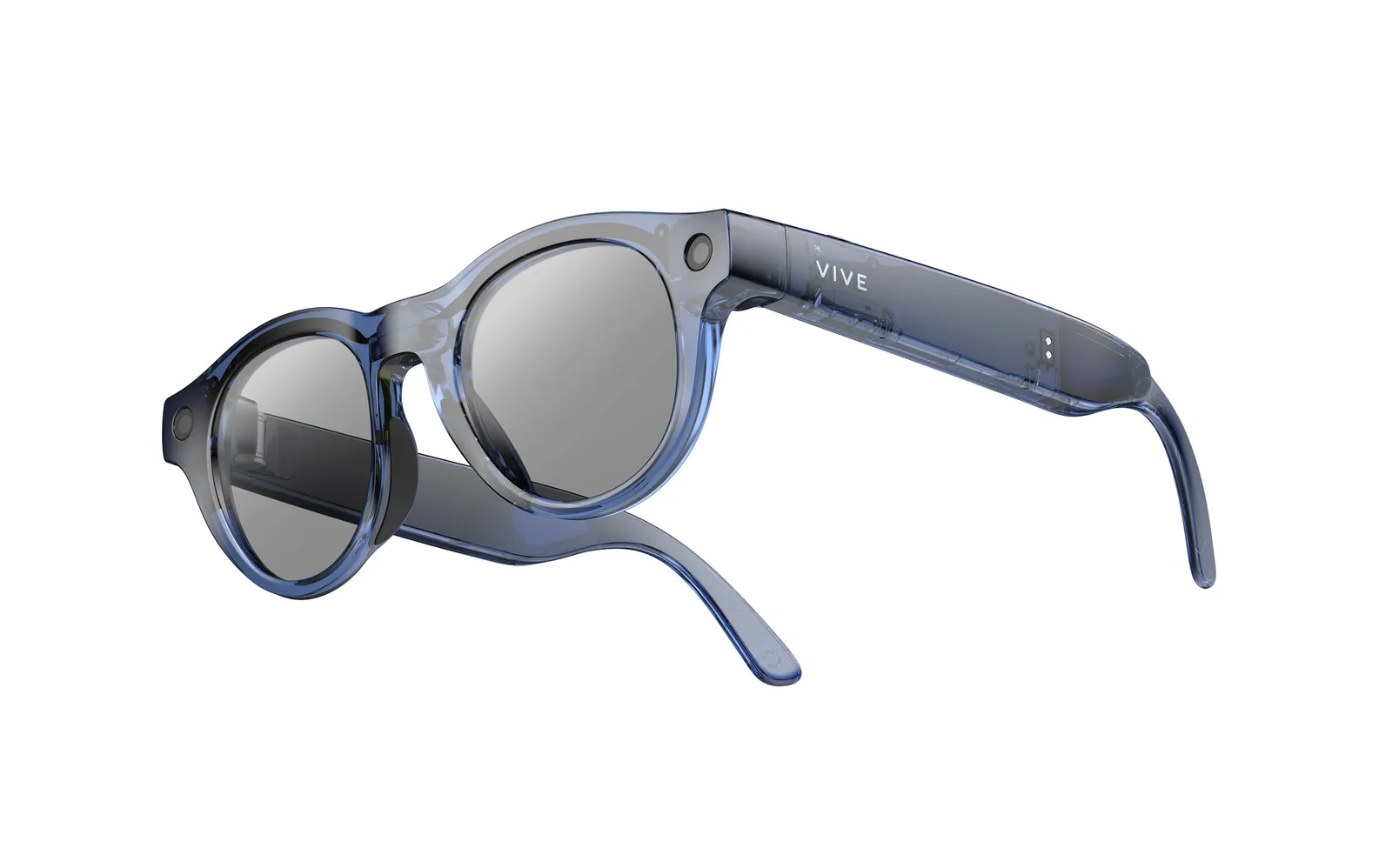
9月起,宏达电开始在美国销售售价499美元的Vive Eagle智能眼镜。Eagle拥有许多与市场上其他眼镜相同的功能——用于拍摄照片和视频的摄像头、用于播放音乐和通话的镜腿扬声器,以及一个嵌入式AI助手,你可以向它提问,甚至通过拍摄冰箱里的物品来获取食谱。
In September, HTC started selling its $499 Vive Eagle smart glasses in the US. The Eagles have lots of the same features as other glasses on the market—cameras for capturing photos and video, speakers in the frames for music playback and calls, an embedded AI agent you can ask questions of and even get recipes from by taking pictures of stuff in your fridge.
但宏达电也希望远离目前关于配备摄像头的智能眼镜隐私问题的持续争论。Meta的智能眼镜一直饱受争议,人们担心该公司对启用面部识别功能的兴趣,并称佩戴者“令人毛骨悚然”。宏达电意识到了这种讨论,并认为完全有可能制造出不会成为隐私噩梦的智能眼镜。
But HTC also wants to steer clear of the ongoing debate about privacy in camera-equipped smart glasses. Meta has been dogged by controversy for its smart glasses, with people worried about the company’s interest in enabling face-recognition features, and calling the people who wear them creepy. HTC is aware of that discourse and thinks it is completely possible to make smart glasses that aren’t a privacy nightmare.
“这不仅是为了保护消费者,也是为了保护消费者周围的人,”宏达电Vive企业销售负责人丹·麦克道尔(Dan McDowell)对《连线》杂志表示,“我认为,人们可以在一层新的信心和保护下,迎来真正非凡的体验。”我戴着这款眼镜四处走动了几个星期,到目前为止,它符合我对智能眼镜现有形态的期望。它们能保护我的眼睛免受阳光照射。
“It's not just about protecting the consumer, but it's also about protecting people around the consumer,” Dan McDowell, HTC Vive’s head of enterprise sales, tells WIRED. “People can usher in, I think, what are really tremendous experiences with a new layer of confidence and protection.”I’ve been wandering around with the glasses for a couple of weeks, and so far they meet my expectations for what smart glasses have become. They protect my eyes from the sun.
它们能拍出不错的照片和视频。你可以录制并转写语音备忘录。音乐播放具有不错的音效(如果我真的是想听音乐,我总是更喜欢一副扎实的耳机,但这些扬声器完全够用)。它们有两种款式——一种是方形的Wayfarer风格镜片,另一种则更为圆润。
They snap good photos and videos. You can record and transcribe voice notes. The music playback has decent sound quality. (I’ll always prefer a solid pair of headphones if I’m actually trying to listen to music, but the speakers work just fine.) They come in two styles—one with square Wayfarer-esque lenses and the other more rounded.
Vive Eagle眼镜在连续播放音乐时可获得4.5小时的电池续航。待机时间可达36小时。宏达电还销售一款售价49美元的配套夹扣式电池组Power Boost。它直接夹在镜框上,虽然能看得出来,但并没有你想象的那么碍眼。
The Vive Eagle glasses can get 4.5 hours of battery life on continuous music playback. They can last 36 hours on standby. HTC also sells a companion clip-on battery pack called Power Boost that costs $49. It clips right onto the frame and is noticeable but not as obnoxious as you might think.
别忘了AI助手Vive AI,它可以使用OpenAI的ChatGPT或谷歌的Gemini。它不需要登录,因此用户的身份被“去标识化”,从而防止这些服务保留个人信息(这也意味着,默认情况下,你将无法享受这些聊天机器人通过收集你的电子邮件和信息内容来提供的大多数个性化功能)。这款眼镜附带Vive的AI Plus服务,前两年免费。在此之后,用户必须每月支付2.5元的订阅费。
Don’t forget the AI assistant, Vive AI, which can utilize OpenAI’s ChatGPT or Google’s Gemini. It doesn’t require a, so users are “de-identified” in a way that keeps the services from retaining personal information. (That also means, by default, you won’t be able to enjoy many of the personalization features these chatbots offer by gleaning information from your emails and messages.) The glasses come with Vive’s AI Plus, free for the first two years. After that, users must pay a monthly $2.50 subscription fee.
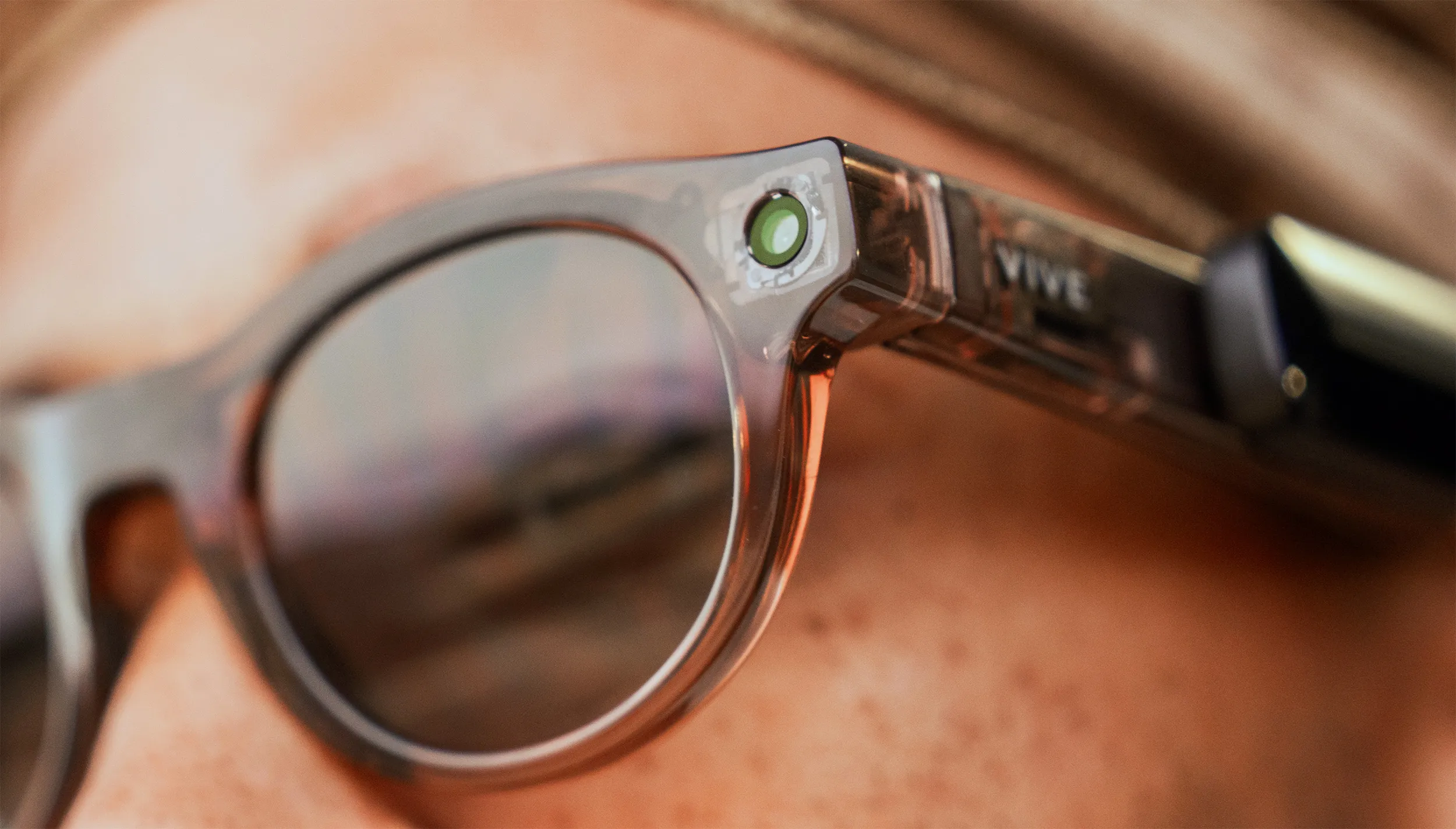
摄像头旁边有一个明亮的指示灯。如果你遮住这个灯,它就不会录像。如果你周围的人说停止录像,录像就会停止。你拍摄的视频素材经过加密并存储在眼镜上——它不会自动发送到手机或云端。如果你想导入照片或视频,必须在应用程序中手动操作。
Right by the cameras is a bright indicator light. If you cover the light, it won’t record. If someone around you says stop recording, that will stop the recording. Video footage you capture is encrypted and stored on the glasses—it’s not automatically sent to the phone or cloud. If you want to import photos or videos, you have to do it manually in the app.
Meta此前曾因指示灯问题面临审查,因为一些用户曾用贴纸挡住LED灯或破解硬件来将其关闭。Meta通过软件更新作出了回应,如果有人篡改指示灯,软件会禁用摄像头,同时还采取了其他注重隐私的措施。
Meta has faced scrutiny over the indicator light before, as some users have blocked the LED with stickers or broken into the hardware to turn it off. Meta has responded with software updates that disable the camera if someone tampers with the indicator light, along with other privacy-focused measures.
我问麦克道尔,宏达电以及任何智能眼镜制造商,究竟该如何克服各大公司往往作出的“相信我,兄弟”式的隐私承诺。
I ask McDowell how HTC, and really any smart glasses maker, can get past the “trust me, bro”–style privacy promises companies tend to make.
“我们不是一家社交媒体公司,”麦克道尔说,“获取你的任何信息对我没有任何好处。我们不会使用眼镜上使用的任何信息来训练我们的AI模型或任何第三方AI模型。”真正的问题可能在于,由于镜框上装有摄像头,各个品牌的智能眼镜很难区分。Vive Eagle看起来非常像Meta的眼镜,担心这些隐私问题的人可能不知道Eagle与此不同,它与马克·扎克伯格的公司没有关系。
“We're not a social media company,” McDowell says. “There's no benefit to me to have any of your info. We don't train our AI model or any third-party AI models with any of the information that is used on the glasses.”The real problem may be that with cameras on the frames, smart glasses are hard to distinguish between brands. The Vive Eagles look a lot like Meta glasses, and people worried about those privacy issues may not know that the Eagles are different and not tied to Mark Zuckerberg’s company.
我曾有朋友看到我戴着它,问这是否是智能眼镜。是的,我回答说,但不是他们想象的那种。这似乎并没有消除他们的任何怀疑。
I’ve had friends see me wearing them and ask if they’re smart glasses. Yeah, I replied, but not the ones they’re thinking of. That didn’t seem to dispel any of their suspicions.
至少按照宏达电的说法,其希望是,更多采取更好隐私做法的参与者将有助于改变社会对智能眼镜的蔑视。许多其他公司正在走无摄像头路线,例如Even Realities、Viture和Halliday。另一些公司则在构建带有隐私遮罩的产品,或者专注于虚拟显示器,而不是捕捉周围的世界。话虽如此,还没有哪家公司能像Meta那样占领市场。
The hope, at least how HTC frames it, is that more players with better privacy practices will help shift cultural disdain for smart glasses. A bunch of other companies are going cameraless, like Even Realities, Viture, and Halliday. Others are building theirs with privacy shields or focusing on virtual displays instead of capturing the world around you. That said, no one has captured the market quite like Meta.
“我们希望确保我们的技术能够适应社会的期望,而不是相反,”麦克道尔说,“我希望所有制造此类产品的人都能朝着正确的方向迈出步伐。”
“We'd like to make sure that our technology adapts to society's expectations, not the other way around,” McDowell says. “I hope that everybody that's making products like these takes steps in the right direction.”