亚洲各大航空公司正努力应对挥之不去的极高燃油成本,同时加速向更昂贵的可持续航空燃料(SAF)过渡的压力也在不断增加。
Asia-based airlines are battling stubbornly high fuel costs even as pressure mounts to accelerate their transition to more expensive sustainable aviation fuel (SAF).
新加坡航空公司集团(Singapore Airlines Group)报告称,在截至6月的季度中,其净燃油成本激增了78.5%,导致尽管创下营收纪录,仍出现760万新加坡元(合593万美元)的净亏损。随着喷气燃料价格波动,国泰航空已多次调整客运燃油附加费,而印度的廉价航空公司靛蓝航空(IndiGo)本月又推出了新一轮与燃油相关的涨价。
Singapore Airlines Group reported a 78.5 per cent surge in net fuel costs in the quarter to June, contributing to a S$76 million (US$59.3 million) net loss despite record revenue. Cathay Pacific has repeatedly adjusted passenger fuel surcharges as jet fuel prices fluctuated, while India’s low-cost carrier IndiGo introduced another round of fuel-related increases this month.
由于传统燃油成本已经挤压了利润率,该行业的绿色雄心面临着一个令人不安的商业现实:亚洲的航空公司根本无力为了燃烧更绿色的燃料而烧钱。
With conventional fuel costs already squeezing margins, the industry’s green ambitions face an uncomfortable commercial reality: Asia’s airlines cannot afford to burn money simply to burn the greener fuel.
尽管如此,随着全球客运量的持续增长,去碳化的压力只会越来越大。这种扩张意味着可持续航空燃料的产量不仅必须替代不断增加的传统喷气燃料比例,还必须跟上全球增长最快的航空市场之一的发展步伐。
Despite this, the pressure to decarbonise is only going to intensify as global passenger growth continues. That expansion means SAF production must not only replace a growing proportion of conventional jet fuel but also keep pace with one of the world’s fastest-growing aviation markets.
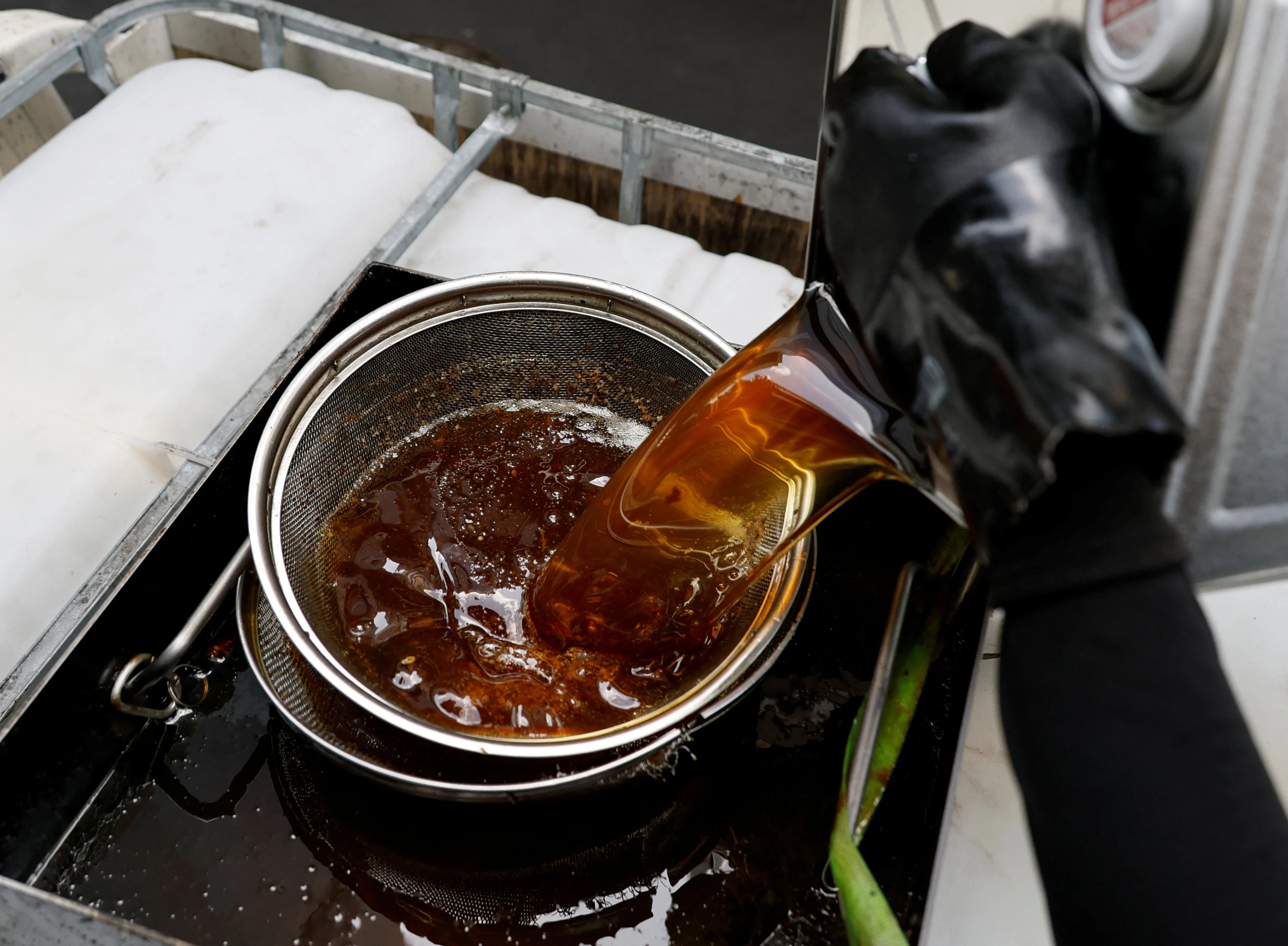
可持续航空燃料由废食用油和农业废弃物等原料制成,已被证明可行,并为降低航空排放提供了一条切实可行的途径。它可以与传统喷气燃料混合使用,并可用于现有飞机,但成本和供应的双重不利因素仍然是广泛使用的障碍。
Produced from materials including used cooking oil and agricultural waste, SAF is proven and offers a practical route towards lower aviation emissions. It can be blended with conventional jet fuel and used in existing aircraft, but the twin headwinds of cost and availability remain barriers to widespread usage.
国际航空运输协会(IATA)预计,今年全球可持续航空燃料产量将达到约240万吨,仅占航空燃料消费量的0.8%。该协会估计,价格溢价今年还可能给航空公司的燃油账单增加43亿美元。对于一个在微薄利润率下运营的行业来说,这一经济账很难被忽视。
International Air Transport Association (IATA) expects global SAF production to reach about 2.4 million tonnes this year, representing just 0.8 per cent of aviation fuel consumption. It estimates that the price premium could also add US$4.3 billion to airline fuel bills this year. For an industry operating on thin margins, the economics are difficult to ignore.
然而,在整个亚太地区,可持续航空燃料的生产和供应正积聚势头。新加坡已经是一个主要的制造中心,芬兰能源集团耐世特(Neste)位于大士(Tuas)的炼油厂每年可生产高达100万吨的可持续航空燃料。香港正巩固其作为区域分销枢纽的地位,目标是到2030年,可持续航空燃料占离港航班使用燃料的1%至3%。
Across the Asia-Pacific, however, SAF production and supply are gathering momentum. Singapore is already a major manufacturing hub, with Finnish energy group Neste’s Tuas refinery capable of producing up to a million tonnes of SAF annually. Hong Kong is strengthening its position as a regional distribution hub, targeting SAF to account for 1 to 3 per cent of fuel used by departing flights by 2030.
国泰航空正在香港国际机场使用由中国内地生产商中石化供应的可持续航空燃料,总部位于香港的 ecoCeres 正在推进在邻近的广东省建设大型生产设施的计划。
Cathay Pacific is using SAF supplied by mainland Chinese producer Sinopec at Hong Kong International Airport, while Hong Kong-based EcoCeres is advancing plans for a major production facility in neighbouring Guangdong province.
马来西亚正在扩大自身的产能,印度尼西亚也在开发国内的可持续航空燃料原料和供应链。泰国能源集团邦差(Bangchak)最近达到了满负荷生产可持续航空燃料的里程碑,泰国国际航空(Thai Airways)运营了一架使用本地生产的可持续航空燃料的航班。
Malaysia is expanding its own production capacity, and Indonesia is developing domestic SAF feedstocks and supply chains. Thailand’s energy conglomerate Bangchak recently reached a milestone of operating SAF production at full capacity, with Thai Airways operating a flight using locally produced SAF.
与该地区其他国家一样,日本正在探索将家庭烹饪油作为原料,越南正在制定其可持续航空燃料监管框架,菲律宾则在支持区域合作。印度正将自己定位为主要的全球生产商,而澳大利亚的“零喷气燃料”(Jet Zero)已获得资金,以推进其甘蔗原料可持续航空燃料项目。
Like other countries in the region, Japan is exploring household cooking oil as a feedstock, while Vietnam is developing its SAF regulatory framework and the Philippines is backing regional cooperation. India is positioning itself as a major global producer, while Australia’s Jet Zero has secured funding to advance its own sugar cane feedstock SAF project.
这些进展表明雄心在不断增长,但公告和产能并不等于具有商业可行性的供应。可持续航空燃料生产商需要确信航空公司会购买他们的燃料,而航空公司则需要他们买得起的价格。如果没有来自对方的更大确定性,任何一方都很难做出长期承诺。
These developments demonstrate growing ambition, but announcements and production capacity are not the same as commercially viable supply. SAF producers need confidence that airlines will buy their fuel, while airlines need prices they can afford. Neither side can easily make long-term commitments without greater certainty from the other.
我们都希望实现飞行可持续并拥有更清洁的天空,新加坡正在研究一个可能的解决方案。其可持续航空燃料征收标准已于10月1日生效,适用于2027年1月起起飞的航班,经济舱机票将增加1新加坡元至10新加坡元(合0.77美元至7.80美元),商务舱和头等舱乘客支付的费用则是四倍。在征求行业反馈意见后,针对航空货运 shipments 的类似征收被推迟了一年。
We all want to make flying sustainable and have cleaner skies, and Singapore is working on a possible solution. Its SAF levy, which took effect on October 1 and applies to flights leaving from January 1, 2027, will add S$1 to S$10 (77 US cents to US$7.80) to economy-class tickets, with business and first-class passengers paying four times more. A similar levy on air cargo shipments was delayed for a year following industry feedback.
这些固定收费旨在将绿色燃料的成本分摊给旅客,而集中采购可持续航空燃料则可确保更好的采购条款,并增强生产商的信心。如果可持续航空燃料价格上涨,新加坡可以校准采购的可持续航空燃料数量,并为乘客提供成本确定性。
The fixed charges are intended to spread the cost of greener fuel across travellers, while centralised SAF procurement pools secure better purchasing terms and give producers greater confidence. Should SAF prices rise, Singapore can calibrate the amount of SAF purchased and give passengers cost certainty.
随着中东紧张局势推高传统燃油成本,新加坡将最初的征收计划推迟了六个月,这证明了即使是一个致力于去碳化的政府也认识到时机和经济承受能力至关重要。
Singapore postponed the original levy by six months as Middle East tensions drove up conventional fuel costs, proving that even a government committed to decarbonisation recognised that timing and affordability matter.
亚洲不一定需要在每个市场上实行相同的可持续航空燃料强制令。各经济体在资源、航空需求和财力方面存在巨大差异。话虽如此,在标准、投资和采购方面加强协调将减少不确定性,并防止分散的国家做法不必要地推高成本。
Asia does not necessarily need identical SAF mandates across every market. Its economies differ widely in resources, aviation demand and financial heft. That said, greater coordination on standards, investment and procurement would reduce uncertainty and prevent fragmented national approaches from unnecessarily raising costs.
采取更广泛的区域方法来采用可持续航空燃料可能会有所帮助。区域各国政府应支持对炼油能力、原料收集和可持续航空燃料认证的投资。反过来,亚洲的航空公司可以谈判联合采购安排,并锁定更长期的供应协议。机场、企业常旅客和金融机构在创造可靠需求和分摊成本方面也发挥着作用。
A broader regional approach to adopting SAF could help. Regional governments should support investment in refining capacity, feedstock collection and SAF certification. In turn, Asia’s airlines could negotiate joint purchasing arrangements and lock in longer-term supply agreements. Airports, frequent corporate travellers and financial institutions also have roles to play in creating dependable demand and sharing the cost.
亚洲拥有迅速扩张的航空市场、巨大的可持续航空燃料原料潜力和不断增长的工业专业知识。它仍然缺乏的是一个令人信服的商业框架,能够将这些优势转化为负担得起且可靠的可持续航空燃料供应。
Asia has rapidly expanding aviation markets, substantial potential SAF feedstocks and growing industrial expertise. What it still lacks is a convincing commercial framework capable of turning those advantages into affordable, reliable SAF supplies.
因此,亚洲更绿色的航空未来将不仅仅取决于生产更多可持续的燃料,还取决于找到一种支付方式,且不破坏预计将使用这些燃料的航空公司。id
Asia’s greener aviation future therefore will depend not simply on producing more sustainable fuel but on finding a way to pay for it without undermining the airlines expected to use it.