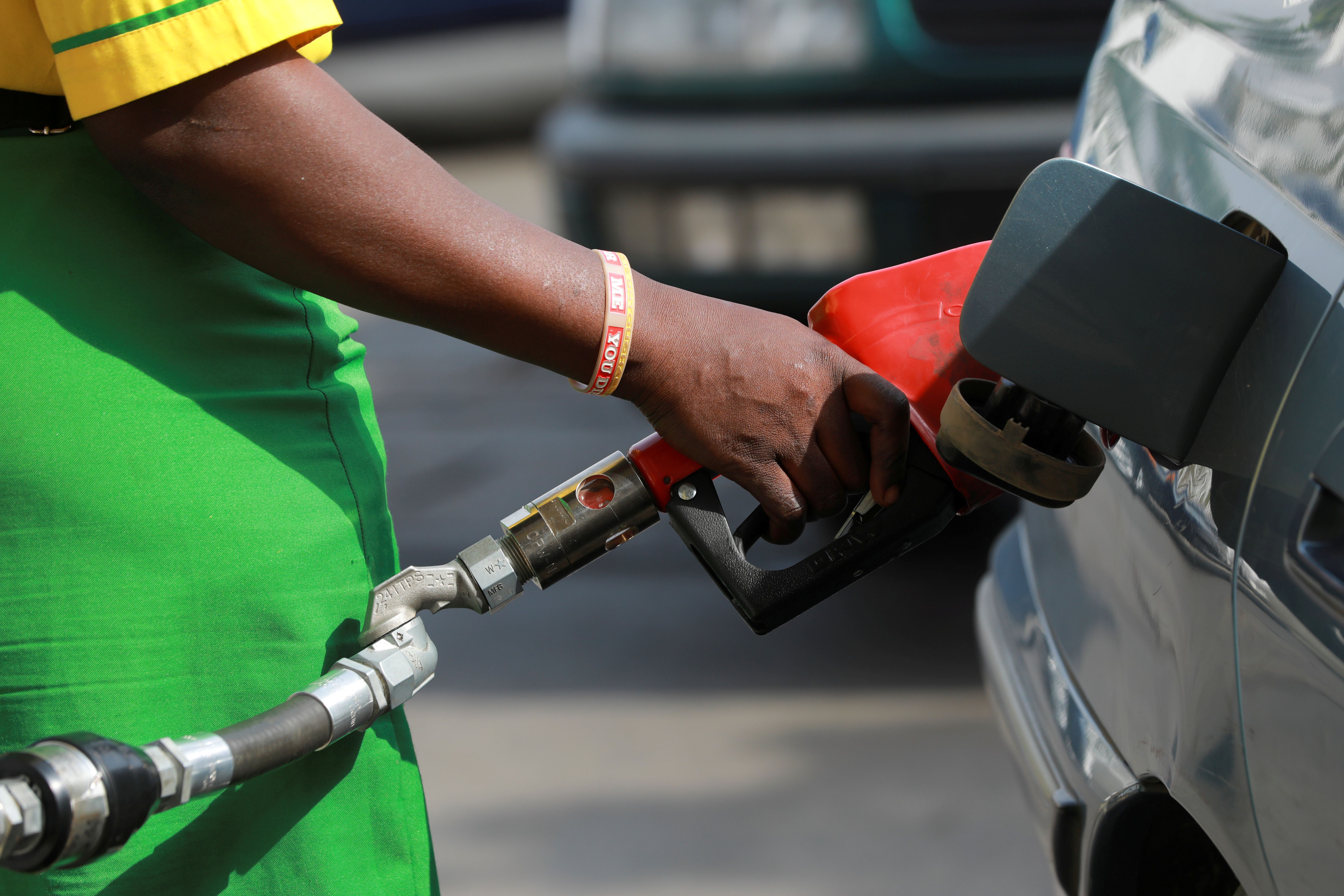
尼日利亚总统大选的主要竞争者面临一个决定性问题:是否应恢复燃油补贴,以缓解不断上涨的能源成本给民众带来的负担?
The News The leading contenders in Nigeria’s presidential election face a defining question: should the fuel subsidy be restored to ease the burden of rising energy costs?
正在寻求于明年1月连任的总统博拉·提努布多次为其2023年取消延续多年的补贴计划的决定进行辩护,称此举旨在避免浪费性支出并将资金投入基础设施建设。但他政府本月推出短期汽油价格折扣、以应对伊朗战争推高成本的举措,重新点燃了关于补贴是否会以更持久形式回归的辩论。
President Bola Tinubu, who is seeking a second term in January, has repeatedly defended his decision to scrap a years-long subsidy program in 2023 to avoid wasteful spending and invest in infrastructure development. But his government’s introduction of a short-term petrol price discount this month to counter rising costs driven by the Iran war has reignited the debate as to whether a subsidy would make a more lasting return.
提努布的主要对手表示,如果当选,他们计划恢复某种形式的消费者支持,并指责总统在距离投票开始不足100天之际,因面临为其决定交代的压力而惊慌失措。拉各斯咨询公司SBM Intelligence在9月发布的一项调查显示,三分之二以上的选民希望政府恢复某种形式的燃油补贴。在全国范围内恶化的不安全局势,也将成为主要争论点。
Tinubu’s main rivals say they plan to restore some form of consumer support if elected and have accused the president of panicking in the face of pressure to account for his decision, with polls opening in less than 100 days. SBM Intelligence, a Lagos-based advisory firm, found in a survey published in September that more than two-thirds of voters want the government to reinstate a fuel subsidy of some kind. Insecurity, which has worsened around the country, is also set to figure as a major point of contention.
复燃的补贴辩论正在塑造关于这场非洲最大民主国家即将到来的选举的几乎所有对话。提努布及其17名挑战者正奔赴竞选路线,试图争取选民支持,后者的集体购买力在过去三年里急剧下降,这在很大程度上是由于同期燃油价格上涨五倍,推高了通胀并引发了生活成本危机。这一议题的回归反映了尼日利亚的历史:作为非洲最大的石油生产国和出口国,该国始终未能将其能源财富转化为广泛共享的繁荣。
The revived subsidy debate is shaping just about every conversation concerning the coming vote in Africa’s biggest democracy. Tinubu and his 17 challengers are hitting the campaign trail to sway voters whose collective purchasing power has weakened sharply in the last three years, in large part due to the five-fold rise in fuel prices in that period which has driven inflation and spawned a cost-of-living crisis Its resurgence reflects Nigeria’s history as the continent’s top oil producer and exporter that has consistently failed to convert its energy riches into broad-based prosperity.
多年来,该国生产的绝大多数原油都被出口,因为政府的国内炼油厂没有一家完全投入运行。据政府调查人员和国际观察人士称,随后进口的成品油由国家石油公司NNPC通过支付款项进行补贴,形成了一个数十亿美元的慷慨给付计划,该计划逐渐演变成一个日益不透明且腐败的体制。这也耗资巨大:2022年该计划耗资100亿美元,超过了医疗和教育预算的总和。
For years, the vast majority of the crude oil produced in the country was exported because none of the government’s domestic refineries were fully functional. Imported refined products were then subsidized by payments from the state-oil company NNPC, enabling a multibillion-dollar largesse that grew into an increasingly opaque and corrupt scheme, according to government fact-finders and international observers. It was also costly: The program’s $10 billion in 2022 exceeded the combined budget for healthcare and education.
自取消补贴以来,提努布在很大程度上没有面临大规模抗议或强有力的政治反对。他告诉尼日利亚人,他的政策方针正从提供“紧急治疗”——表面上是为了修复他继承的经济的错误基础——转向实现共同繁荣。
Tinubu has largely not faced widespread protests or strong political opposition since ending the subsidy. He has told Nigerians that his policy approach is shifting from offering “emergency treatment” — ostensibly to fix the faulty foundations of the economy he inherited — to enabling shared prosperity.
但在阿提库·阿布巴卡尔和彼得·奥比面前,他面临着熟悉的挑战者,他们渴望让即将到来的选举成为对能源成本影响的公投。“博拉让生活变得昂贵。我将努力让生活再次变得负担得起,”阿提库在上周的一段竞选视频中说。竞选中的另一位重量级人物奥比承诺,将以能显示尼日利亚人“吃得更好、活得更好、摆脱贫困”的指标来衡量他的领导力。
But in Atiku Abubakar and Peter Obi, he faces familiar challengers who are eager to make the coming election a referendum on the impact of energy costs. “Bola made life expensive. I will work to make life affordable again,” Atiku said in a campaign video last week. Obi, the other heavyweight in the race, pledged to judge his leadership by metrics that would show Nigerians “eating better, living better, and escaping poverty.”
了解更多 提努布取消补贴后随之而来的能源成本急剧上升,导致多家企业关闭或重新考虑在尼日利亚的业务。但尽管许多人质疑缺乏安全网措施来缓冲提努布所谓“休克疗法”的影响,国际货币基金组织却赞扬了取消补贴的做法,几位经济学家也表示赞同。一位国际货币基金组织官员上周警告尼日利亚,不要因政治原因而重新实施补贴的诱惑。
Know More The sharp rise in energy costs that followed Tinubu’s subsidy removal led several businesses to shutter or reconsider operations in Nigeria. But while many questioned the absence of safety net measures to cushion the impact of Tinubu’s so-called shock therapy the International Monetary Fund praised the subsidy removal, as did several economists. An IMF official last week cautioned Nigeria to avoid the temptation of reinstating a subsidy for political reasons.
拉各斯的丹格特炼油厂两年前开始向尼日利亚供应燃油,目前提供了尼日利亚国内约70%的燃油需求。但该国仍在进口成品油。丹格特——其超过三分之一的原油来自国际供应商——以及燃油进口商都易受全球油价冲击影响。
The Dangote refinery in Lagos, which started supplying fuel in Nigeria two years ago, provides about 70% of Nigeria’s domestic fuel needs. But the country still imports refined fuels. Both Dangote — which buys more than a third of its crude from international suppliers — and fuel importers are vulnerable to global oil price shocks.
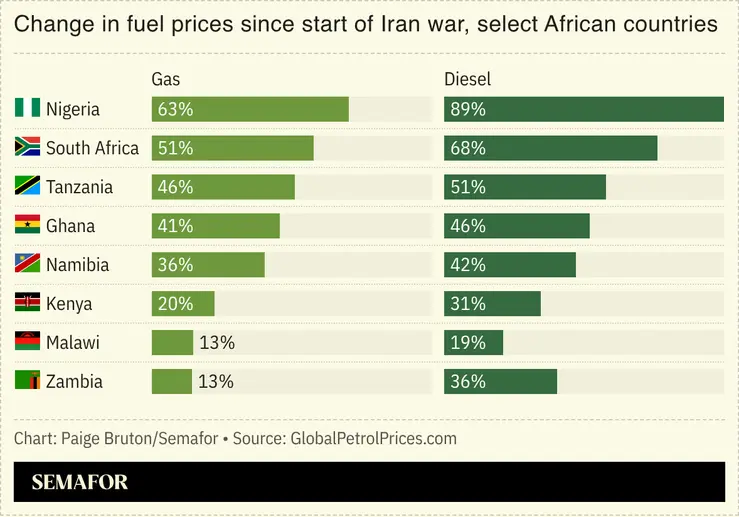
伊朗战争进一步升级的可能性,最近由伊朗支持的胡塞武装对沙特阿拉伯的攻击所凸显,引发了这样一个问题:尼日利亚准备维持最初计划实施30天的价格上限多长时间。“我认为这极有可能会延长,至少持续到选举,延续到第一季度,”SBM合伙人伊凯梅西特·埃菲翁(Ikemesit Effiong)说。
The potential for further escalation in the Iran war, underscored by recent Iran-backed Houthi attacks on Saudi Arabia, raises the question of how long Nigeria is prepared to extend the price cap that is initially planned to be in place for 30-days. “I think it’s highly likely that this gets extended, at least through the elections into Q1,” said Ikemesit Effiong, a partner at SBM.
BMI是惠誉集团(Fitch Group)的子公司,预计到明年第二季度,价格上限将达到尼日利亚国内生产总值(GDP)的0.4%左右。
BMI, a subsidiary of Fitch Group, expects the price cap to amount to up to 0.4% of Nigeria’s gross domestic product by the second quarter of next year.
亚历山大认为,尼日利亚的补贴争论具有分裂性,因为该计划——曾被许多尼日利亚人视为他们从国家获得的唯一好处——已经吞噬了历史上巨额的资金,并与腐败以及由一帮受宠的石油贸易商进行的国家俘获密不可分。
Alexander’s view Nigeria’s subsidy debates are divisive because the program — once seen by many Nigerians as the only benefit they got from the state — has swallowed historically mammoth sums and is inextricably associated with corruption and state capture by a cabal of favored oil traders.
许多分析人士表示,尼日利亚的燃油补贴加重了公共财政负担,并助长了走私燃油等不良行为。连同允许奈拉货币自由浮动的变化,蒂努布取消补贴有助于改善尼日利亚的财政稳定性并增强储备。
Many analysts say Nigeria’s fuel subsidy burdened public finances and encouraged adverse behaviors like fuel smuggling. Together with changes that allowed the naira currency to float freely by market forces, Tinubu’s subsidy removal helped to improve Nigeria’s fiscal stability and strengthen reserves.
但试行短期燃油价格上限表明,政府正在面对其造成的痛苦。“取消燃油补贴在经济上是必要的,但在社会上是痛苦的,”牛津经济非洲(Oxford Economics Africa)分析师杰尔文·纳迪(Jervin Nadioo)告诉我。他认为蒂努布“很有能力争取连任”,但公众对生活成本的日益沮丧表明,经济形势的改善尚未转化为对家庭的足够缓解。
But trialling a short-term fuel price cap points to a government reckoning with the pain it has inflicted. “The removal of the fuel subsidy has been economically necessary, but socially painful,” Jervin Nadioo, an analyst at Oxford Economics Africa, told me. He believes Tinubu is “well positioned to secure re-election” but growing public frustration over living costs suggests that an improved economic picture has not translated into sufficient relief for households.
临时措施和甜头可能会让一些选民在一月转向廷布。但更有可能的是,过去三年的困难已经使人们对候选人的看法变得固定。
Stop-gaps and sweeteners may sway some voters towards Tinubu in January. But it is more likely that the difficulties of the last three years have already hardened views about the candidates.
分歧空间 选举前争夺政治优势的战斗不应掩盖一个合理的预期,即政府可以干预以减轻公民的痛苦,政策研究机构BudgIT尼日利亚负责人瓦希亚拉·夸加表示。
Room for Disagreement The battle for political advantage ahead of elections should not obscure a reasonable expectation that governments can intervene to soften the pain of citizens, said Vahyala Kwaga, country head for Nigeria at policy research group BudgIT.
“任何能够减轻民众自宣布取消补贴之日起所遭受的苦难的措施,当然都是受欢迎的,”夸加说。不过,他最终关注的是透明度和问责制:“如果补贴不起作用,谁将承担责任?”值得关注的是,尼日利亚财政部长泰沃·奥耶德莱在7月表示,尼日利亚取消燃油补贴所节省的资金大部分已被更高的债务偿还成本和增加的政府支出所吸收。
“Anything that can alleviate the hardship that the masses suffered from the day it was announced that the subsidy is gone is certainly welcome,” Kwaga said. Ultimately, though, his concern is with transparency and accountability: “Who is going to be held responsible if the subsidy doesn’t work?”Notable Nigeria’s savings from the fuel subsidy removal have largely been absorbed by higher debt-servicing costs and increased government spending, finance minister Taiwo Oyedele said in July.