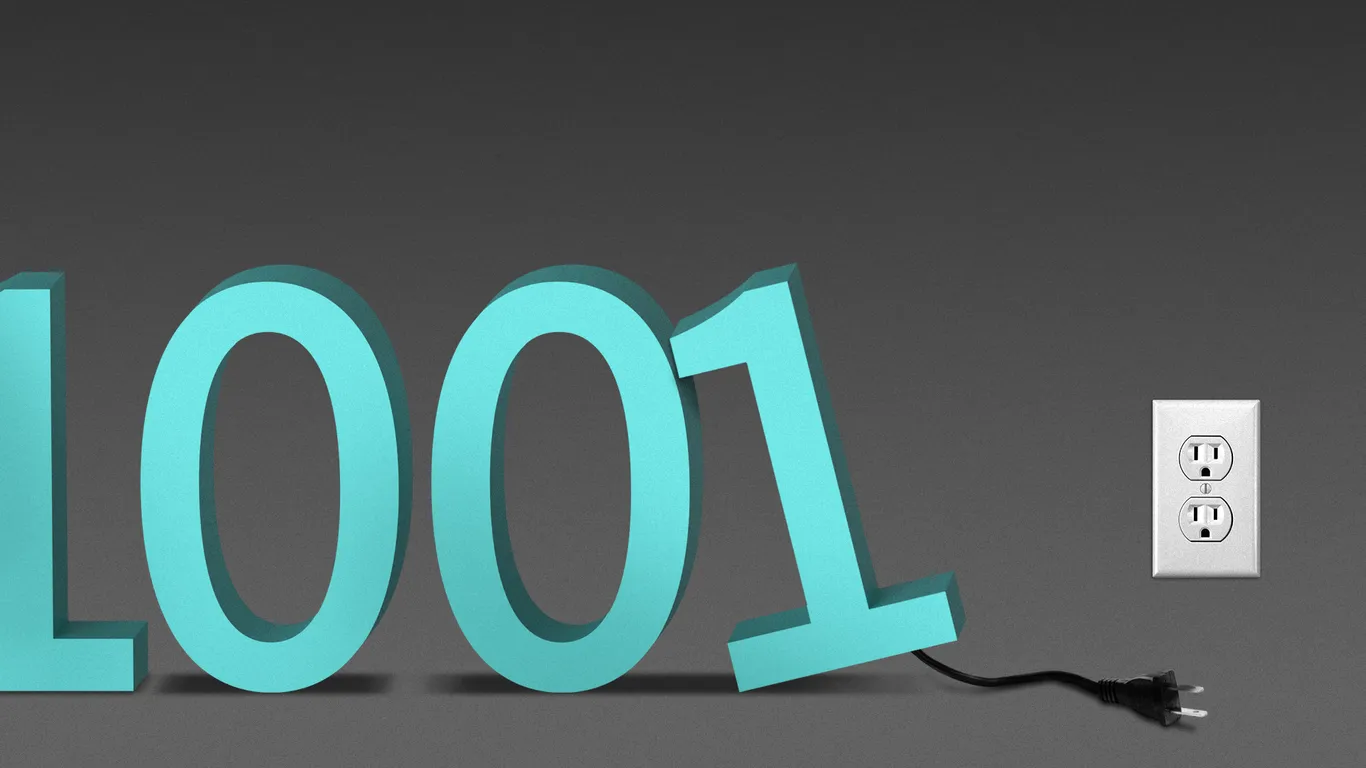
硅谷行动迅速、打破常规,但美国的电网建设却步履缓慢且需要审批。
Silicon Valley moves fast and breaks things, but the U.S. electrical grid moves slowly and requires permits.
- 人工智能的爆炸性增长正在与建设新电力基础设施的冰冷缓慢步伐发生冲突,高盛因此发出新的警告称,能源瓶颈注定将使人工智能竞赛陷入停滞。为什么这很重要在华尔街对债务驱动的人工智能建设潮感到焦虑之际,高盛在独家分享给《axios》的一份新报告中指出,电力是数万亿美元支出的最大风险。驱动新闻:根据该报告,高盛预计全球数据中心电力需求在2025年至2030年间将激增170%,其中超过60%的增长来自美国。• “电力很可能是永远的瓶颈,”高盛全球数字基础设施投资银行业务负责人杰森·托夫斯基在报告中指出。
• The explosive growth of AI is colliding with the glacial pace of building out new power infrastructure, prompting a new warning from Goldman Sachs that energy bottlenecks are set to stall the AI race. Why it matters Amid a wave of anxiety from Wall Street about the debt-fueled AI buildout, Goldman points to power as the biggest risk to trillions in spending in a new report shared exclusively with Axios. Driving the news: Goldman expects global data center power demand to surge 170% between 2025 and 2030, with more than 60% of that growth coming from the U.S., according to the report • "Power is probably the forever bottleneck," Jason Tofsky, Goldman's global head of digital infrastructure investment banking, noted in the report.
- 该银行估计,2026年至2031年期间,在计算、数据中心和电力基础设施方面的资本支出约为7.6万亿美元。深入分析:支持人工智能所需的物理基础设施的发展速度远远落后于技术本身。
• The bank estimates roughly $7.6 trillion in capital spending between 2026 and 2031 across computing, data centers and power infrastructure. Zoom in: The physical infrastructure needed to support AI is moving far more slowly than the technology itself.
- 美国大约有2600吉瓦拟议的发电和储能项目正在等待电网连接,这一数字超过了电网现有装机容量的两倍,尽管许多项目可能永远不会成为现实。
• The U.S. has roughly 2,600 gigawatts of proposed power generation and storage projects awaiting grid connections, more than twice the grid's existing installed capacity, though many projects may never materialize.
- 从申请电网连接到投入商业运营的中间时间大约为五年。字里行间:高盛认为,长期以来由前沿人工智能模型进展定义所谓的人工智能竞赛,实际上关乎谁能获取充足的电力。
• The median time from an application for a grid connection to commercial operation is roughly five years. Between the lines: The so-called AI race, which has long been defined by advances in frontier AI models, is really about who can get their hands on enough power, Goldman argues.
- 这可能意味着建设周期更长、更不可预测、财务回报延迟,并给在获得电力之前进行巨额投资的公司带来更大的风险。追踪资金:这场大规模扩张正通过债务进行融资,如果建设时间表延误,赌注将随之增加。
• That could mean a longer, less predictable buildout, delayed financial returns and greater risks for companies investing heavily before securing power. Follow the money: The massive expansion is being financed with debt, raising the stakes if construction timelines slip.
- 高盛预测,全球超大规模企业2027年的债务发行额将达到4200亿美元,比2026年的预测值增加60%以上。
• Goldman projects $420 billion in global hyperscaler debt issuance in 2027, up more than 60% from its 2026 estimate.
- 预计明年债务将为超大规模企业约35%的资本支出提供资金。
• Debt is expected to finance roughly 35% of hyperscaler capital expenditures next year.
- 而超大规模企业仅占人工智能生态系统信贷筹资的40%,这凸显了借贷范围的广泛性。内幕消息:根据高盛的数据,自1月以来,已有86个项目被取消或大幅延迟,其中76个与当地的反对直接相关。
• And hyperscalers account for just 40% of AI ecosystem credit fundraising, underscoring how widely the borrowing extends. The intrigue: Since January, 86 projects have been canceled or significantly delayed, including 76 directly linked to local opposition, according to Goldman.
- 综合来看,这勾勒出一幅工期延长的图景。是的,但是部署放缓也可能通过给予实际需求赶上支出的时间,来帮助防止过度投资。与此同时:这场热潮正将公用事业公司从传统上缓慢增长的企业转变为人工智能投资的主要受益者。
• Put together, this paints a picture of extended delays. Yes, but Slower deployment could also help prevent over-investment by giving actual demand time to catch up with spending. Meanwhile: The boom is transforming utilities from traditionally slow-growing businesses into major beneficiaries of AI investment.
- 2026年至2030年期间,公用事业资本计划预计将达到1.3万亿美元。
• Utility capital plans are expected to reach $1.3 trillion between 2026 and 2030.
- 科技巨头正在考虑直接资助其数据中心所需的发电、输电线路和电气基础设施的安排。底线:如果你构建人工智能系统,用户就会到来,但只有在有足够的电力供应时,他们才能留下来。
• Tech giants are considering arrangements to directly fund the power generation, transmission lines and electrical infrastructure their data centers require. The bottom line: If you build AI systems, users will come, but they can only stay if there's enough power to go around.