这就像两场戏剧表演并排上演,观众只有一位。围绕俄罗斯入侵乌克兰的和平进程已陷入显著僵局。
It’s like two theatrical performances unfolding side by side, before an audience of one. The peace process surrounding Russia’s invasion of Ukraine has reached a remarkable impasse.
在一台戏里,欧洲盟友和基辅正争分夺秒,试图将美国的要求和威胁转化为某种类似计划的东西,以期满足特朗普总统。在另一台戏里,克里姆林宫自有其剧本:特使基里尔·德米特里耶夫抛出商业机会,旨在迎合这位重商利的美国总统,将其进一步拉入莫斯科的轨道,并让俄罗斯在前线缓慢推进的攻势得以继续。特朗普的特使史蒂夫·威特科夫和贾里德·库什纳在两台戏之间穿梭。然而,这两条剧情线依然互不相干、互相轻蔑,看不到任何结局的迹象。
e stage, European allies and Kyiv are scrambling to turn US demands and threats into something resembling a plan that might satisfy President Donald Trump. On the other, the Kremlin has its own show: envoy Kirill Dmitriev offers business opportunities designed to appeal to a mercantile US president, draw him further into Moscow’s orbit and allow Russia’s crawling frontline advance to proceed. Trump’s envoys, Steve Witkoff and Jared Kushner, flit between the two productions. Yet the two plots remain separate and contemptuous of each other, with no denouement in sight.
当特朗普谈论与俄罗斯达成协议时,有一个事实压倒一切:莫斯科眼中的和平基本等同于胜利。克里姆林宫对其要求直言不讳,即便是其最不极端的版本也是如此。俄罗斯总统普京希望乌克兰在不再战斗的情况下放弃顿巴斯。他长期以来还设想过乌克兰非军事化、承诺永不加入北约以及基辅领导层更迭——这些在战时全都不切实际或根本不可能。因此,俄罗斯的首席务实派将目标锁定在顿巴斯这一可通过谈判实现的目标上,而基辅面临让步的压力与日俱增。
When Trump speaks of a deal with Russia, one fact outweighs all others: Moscow’s idea of peace is basically victory. The Kremlin has been blunt about its demands, even in their least maximalist form. Russian President Vladimir Putin wants Ukraine to surrender the Donbas without further fighting. He has also long entertained Ukraine’s demilitarization, a pledge never to join NATO and a change of leadership in Kyiv — all impractical or impossible in wartime. Russia’s pragmatist-in-chief has therefore settled on the Donbas as an attainable negotiating goal, while pressure grows on Kyiv to concede.
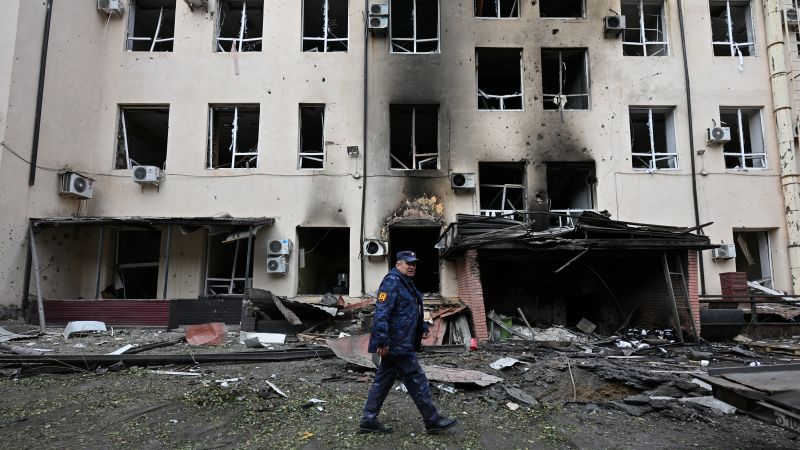
泽连斯基为何不直接屈服?理由在增加,因为剩余的顿巴斯地区正日益变得不再适宜居住。俄罗斯无人机盘踞克拉马托尔斯克——该地区最大人口中心——上空,昼夜猎杀平民。斯洛维扬斯克、多布罗皮利耶和康斯坦丁诺夫卡要么已成废墟,要么成为俄罗斯滑翔炸弹的目标:这些地方极具军事重要性,但几乎已无平民生活。
Why does Zelensky not simply yield? Reasons to do so grow as what remains of the Donbas becomes less habitable by the day. Russian drones stalk Kramatorsk, the largest population center, hunting civilians around the clock. Sloviansk, Dobropillia and Kostyantynivka are either ruins or targets for Russian glide bombs: places of great military importance, but little remaining civilian life.
然而,关于乌克兰为何不能简单放弃顿巴斯地区,最清晰的论证竟来自特朗普的国家安全顾问、也是可能的继任者马尔科·鲁比奥。他在接受《布赖特巴特新闻》采访时表示,俄罗斯控制着顿涅茨克地区除11%以外的所有领土,而乌克兰将剩余部分描述为“他们据守的防线”。他说:“他们主张,军事战略家也认为这是事实,那就是这是最后一道可设防的防线……从那里直插基辅一马平川。”
Yet the clearest case for why Ukraine cannot simply abandon the Donbas came from none other than Trump’s National security adviser, and possible successor, Marco Rubio. Russia controls all but 11% of the Donetsk region, while Ukraine describes the remainder as the “defensive line that they’ve embedded themselves in,” he said, in an interview with Breitbart News. “They argue, and military strategists say is true, that it is the last defensible line… From there, it’s just a straight shot into Kyiv.”
他补充称,俄罗斯实际上并未推进,因此转而“通过无人机袭击、弹道导弹袭击,试图摧毁乌克兰的能源基础设施、电力设施,给乌克兰人民施加非同寻常的痛苦”。作为回应,乌克兰正在打击俄罗斯炼油厂。
He added that Russia is not really advancing and has therefore switched to “applying extraordinary pain on the people of Ukraine through drone strikes, through ballistic missile strikes, trying to destroy their energy infrastructure, their electricity.”Ukraine, in turn, is striking Russian refineries.
他承认了库什纳和威特科夫的努力,但最终总结道:“我们希望战争结束,但归根结底,我们在世界各地还有其他优先事项需要关注。”鲁比奥周二与泽连斯基通了45分钟电话,这表明他对结果的投入程度可能比这句结束语暗示的要深。但他降低的预期反映了这两场分别登台的和平表演的现实:乌克兰想要生存;俄罗斯想要获胜,且依然相信自己能赢。
He acknowledged Kushner and Witkoff’s efforts, but ultimately concluded: “We’d like the war to end, but ultimately we also have other priorities around the world we’re focused on as well.”Rubio spent 45 minutes on the phone with Zelensky on Tuesday, suggesting he may be more invested in the outcome than this closing remark implies. But his lowered expectations reflect the reality of these two separate onstage peace performances. Ukraine wants to survive; Russia wants to win, and still believes it can.
如果白宫里最清醒的头脑之一都认为和平充其量只是渺茫的希望,那么过去10天美乌决裂到底取得了什么成果?这是否让特朗普离他声称想要的协议更近了一步?
If one of the sounder minds in the White House sees peace as a long shot at best, what did the past 10 days of US-Ukrainian fallout achieve? Did it get Trump any closer to the deal he says he wants?
特朗普提供了一系列引人注目的亲俄激励措施,以吸引莫斯科走向一个他尚未定义条款的和平。这看起来像是为了施压而施压——且令普京当下获益。
Trump has offered a striking array of pro-Russian incentives to draw Moscow towards a peace whose terms he has yet to define. It looks like pressure for its own sake — and to Putin’s immediate advantage.
特朗普给莫斯科的“礼物清单”长得惊人:一项突如其来的柴油交易,恐将为普京的战争金库注入数十亿美元;一项能源停火(由特朗普单方面宣布,双方似乎均不知情),让乌克兰对俄罗斯炼油厂的打击停顿了数日。此外还有对关键“星链”技术的限制,影响了乌克兰的防御和进攻行动;情报共享受限,导致乌克兰至少数晚未获弹道导弹袭击预警;以及反复呼吁泽连斯基下台。再加上美国对乌财政支持长达数月的崩塌,军事援助如今由欧洲买单。如果普京亲自拟定美国政策,恐怕也就长这样。
The list of Trump gifts to Moscow is extensive: a sudden diesel deal likely to throw billions into Putin’s war chest; an energy ceasefire (unilaterally announced by Trump and apparently unknown to either side), that slowed Ukrainian strikes on Russian refineries for several days. There were also restrictions on vital Starlink technology that affected Ukraine’s defensive and offensive operations; limits on intelligence sharing that left Ukraine without warning of ballistic missile attacks for at least several nights; and repeated calls for Zelensky to leave office. Add to that the monthslong collapse of US financial support for Ukraine, with Europe now paying for military aid. If Putin could write US policy, it might look much like this.
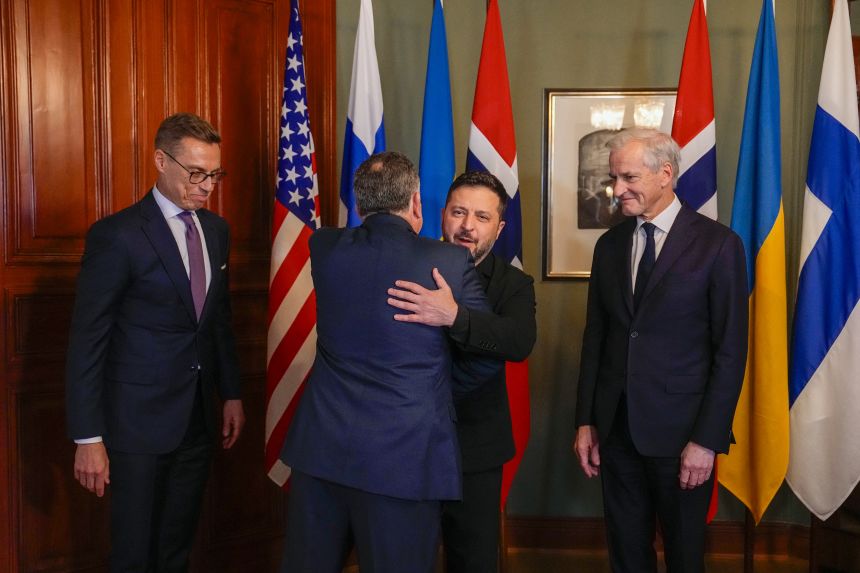
泽连斯基在奥斯陆举行的新闻发布会上表示,他与威特科夫当面会晤、与库什纳视频通话后,希望很快能从鲁比奥那里得到关于美国制“爱国者”防空系统和“星链”的积极回应,同时也说乌克兰“感谢情报共享如今已恢复正常”。威特科夫明天将前往俄罗斯,他将向普京提交何种内容目前仍不得而知。
Speaking in a news conference in Oslo after meeting with Witkoff in person and Kushner virtually, Zelensky said he hoped for a positive word from Rubio soon on the US-made Patriot air defense system and Starlink, while also saying that his country was “thankful that intelligence sharing” with the United States “now works.”Witkoff heads to Russia tomorrow and the nature of what he will present to Putin remains unclear.
为何偏偏现在?特朗普在中期选举前给自己和共和党同僚造成的政治损害显而易见。一些人正努力与这一深刻的、反美的、亲俄政策连串划清界限。同样引人注目的是,这些举措多么不可持续、多么不切实际。柴油交易无法迅速降低美国油价,欧洲的限制恐将制约其给普京输送现金的规模。能源停火短暂、荒诞,进一步动摇了特朗普的公信力。
Why now? The political damage Trump is inflicting on himself and his Republican colleagues ahead of the midterms is palpable. Some are struggling to distance themselves from this profoundly anti-American barrage of pro-Russian policies. Equally striking is how unsustainable or impractical many of these measures are. The diesel deal will not lower US pump prices quickly and European restrictions, will probably limit how much cash it can deliver to Putin. The energy ceasefire was brief, absurd, and further undermined Trump’s credibility.
对“星链”、军用级“星盾”(由美国政府控制的“星链”军用版本)以及情报共享的限制时松时紧,让乌克兰军队陷入困境,而鲁比奥却呼应特朗普,否认此类限制从未存在过。
Restrictions to Starlink, Starshield, the military-grade version of Starlink controlled by the US government, and intelligence sharing appear to come and go, leaving Ukrainian troops in the lurch, while Rubio echoes Trump’s denial that any such limits ever existed.
这种令人困惑的活动只有在通过美国政治视角来看才说得通。它是在中间选举之后向全世界作出的回应。
This flurry of baffling activity makes sense only when seen through the US political prism. It is addressing the world after the midterm elections.
泽连斯基已摒弃了“讨好特朗普有效”的老话。乌克兰在情感上更习惯失去美国支持、独自行动的想法,知道生存比与一味无情的美国保持友好更重要。欧洲知道现在剩下的时间窗口有限,特朗普还能造成的损害受到限制,而接下来发生的事情会更好。即便是更多同样的情况,至少欧洲和乌克兰已经有更长时间准备好独自应对。
Zelensky has dispensed with the canard that pandering to Trump works. Ukraine is emotionally more adjusted to the idea of losing US support and going it alone, aware that survival is preferable to friendship with a fickle US. Europe knows there is a limited window now left in which Trump can do damage, and that whatever comes next is better. Even if it is more of the same, at least Europe and Ukraine will have had longer to prepare to go it alone.
最令人担忧的是特朗普的时机和思维。他只在损害自己的党和遗产。但随着共和党仍控制众议院和参议院,且2028年接班人之争尚未真正开始,也许他视这为最后一次无拘无束的时刻,以实际行动表达他对他看似与他关系奇妙的俄罗斯总统普京的同情。
Most troubling is Trump’s timing and thinking. He is only doing damage to his party and legacy. But with Republicans still in control of the House and Senate, and 2028’s race to succeed him not yet begun in earnest, perhaps he sees this as his last unbridled moment to express in practical ways his sympathy to someone apparently oddly important to him, as a US president: Vladimir Putin.