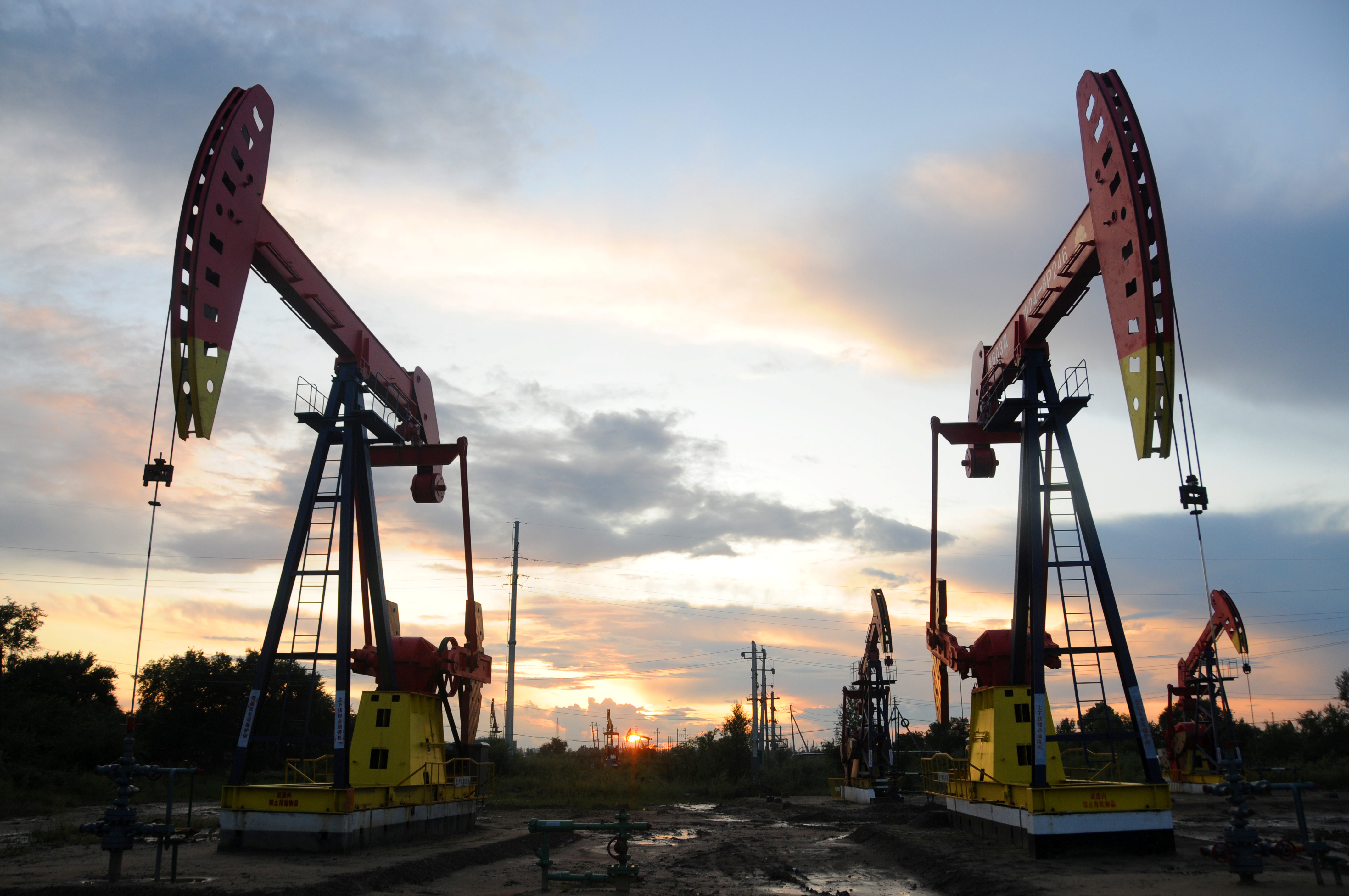
中国在2026年9月第四个动用过去五个月的原油战略和商业库存,原因是炼厂加工率上升超过了石油进口小幅回升的影响。
China tapped its massive crude oil stockpiles for the fourth month in the past five in September as rising refinery processing rates outweighed a slight recovery in oil imports.
然而,近期消耗库存的模式可能在10月结束,届时原油进口有望恢复至自3月以来最高水平。3月以来,美国与以色列对伊朗发动战争,对进口影响不大。
However, the recent pattern of drawing on inventories may end in October, with crude imports poised to recover to the most since March, the last month largely unaffected by the US and Israeli war against Iran, which started on the last day of February.
据本周公布的官方数据计算,炼厂加工量比从原油进口和国内产量中可获得的原料多约53万桶/日(bpd)。
Refineries processed about 530,000 barrels per day (bpd) more than what was available to them from crude imports and domestic oil production, according to calculations based on official data released this week.
中国不披露流入或流出其战略和商业库存的原油数量,但可以通过扣除加工量来估算。按此计算,进口903万桶/日、国内产量443万桶/日,炼厂可用原料总量为1346万桶/日。
China does not disclose the volumes of crude flowing into or out of its strategic and commercial stockpiles, but an estimate can be made by deducting the amount of oil processed from the total crude available from imports and domestic output. On this basis, imports of 9.03 million bpd and domestic production of 4.43 million bpd meant refiners had a total of 13.46 million bpd available.
炼厂实际加工量为1399万桶/日,略高于8月的1391万桶/日,为3月以来最高,超出可用原油53万桶/日。
Refineries processed 13.99 million bpd, up slightly from August's 13.91 million bpd and the most since March, meaning throughput was 530,000 bpd more than available crude.
9月的库存消耗量较8月的64万桶/日有所减少,主要反映了原油进口从893万桶/日增至903万桶/日,增幅为10万桶/日。
The September draw on inventories was down from the 640,000 bpd in August, largely reflecting the increase in crude imports from 8.93 million bpd to September's 9.03 million, an increase of 100,000 bpd.
尽管中国在近期动用了库存,但伊朗冲突爆发前强劲的库存积累意味着,到2026年前三季度仍存在一定量的原油剩余。
Even though China has dipped into stockpiles in recent months, strong builds before the start of the Iran conflict mean that there is still a small surplus of crude for the first three quarters of 2026.
今年前九个月,炼厂加工量为1373万桶/日,进口与国内产量合计1397万桶/日,剩余24万桶/日。
Refiners processed 13.73 million bpd in the first nine months of the year, while imports and domestic output totalled 13.97 million bpd, leaving a surplus of 240,000 bpd.
这意味着,尽管自中东冲突爆发以来中国的原油进口量大幅减少,但其原油库存并未下降。据分析师估计,中国的原油库存至少为12亿桶。
This means that despite the dramatic cut in crude imports seen since the start of the Middle East conflict, China hasn't reduced its oil stockpile, which is estimated by analysts to contain at least 1.2 billion barrels.
作为全球最大的原油进口国,中国在面对油价飙升的情况下,确实减少了原油的进口量。由于战争导致霍尔木兹海峡(全球约20%的原油和精炼燃料通过该海峡运输)的航运通道被关闭,原油价格大幅上涨。4月30日,全球基准原油期货价格(布伦特原油期货)创下了四年来的新高,达到每桶126.41美元,而战争爆发前一天该价格仅为每桶72.48美元。
What the world's largest crude importer has done is cut the volume of arrivals in the face of the surge in prices as a result of the war. Global benchmark Brent futures reached a four-year high of $126.41 a barrel on April 30, up significantly from the close of $72.48 the day before the war started as the conflict shut off flows through the Strait of Hormuz, the narrow waterway through which about 20% of global crude and refined fuels moved.
然而,最近几周,随着沙特阿拉伯和阿拉伯联合酋长国等海湾国家的出口商面临来自伊朗的攻击风险,通过霍尔木兹海峡的原油运输量有所增加。这导致布伦特原油价格在8月初跌至每桶80美元以下;而此时中国的炼油企业通常正在安排10月份的原油进口计划。
However, flows through the still-contested waterway have risen in recent weeks as Gulf exporters such as Saudi Arabia and the United Arab Emirates risk attacks from Iran. This has resulted in Brent dropping to below $80 a barrel in early August, the time when Chinese refiners would have been arranging October-delivery cargoes.
随着原油供应量的增加和价格的回落,中国的原油进口量预计将在10月份回升至每天1000万桶以上,创下自3月份(1179万桶)以来的最高水平。商品分析师Kpler估计,10月份中国的海上原油进口量将达到每天902万桶;随着更多进口数据的汇总,这一数字还可能进一步上升。
Increased availability and moderating prices will result in China's crude imports rising to more than 10 million bpd in October, which would be the most since the 11.79 million recorded in March. China's seaborne imports are estimated by commodity analysts Kpler at 9.02 million bpd for October, a figure that may be revised higher by as more cargoes are assessed by the end of month.
除了海上进口外,中国还从俄罗斯和中亚地区通过管道每天进口约100万桶原油。
In addition to the seaborne arrivals, China receives about 1 million bpd of pipeline imports from Russia and Central Asia.
10月份原油进口量的增加足以满足炼油厂的加工需求,即使炼油厂的运行效率恢复到每天约1450万桶的正常水平。这一趋势已经体现在EA Crude Oil Inventories公司收集的库存数据中:截至10月19日,中国的陆上原油库存连续第二周上升,达到11.92亿桶,高于前一周的11.89亿桶。
The likely increase in October crude imports may be enough to cover refinery processing, even if run rates recover to more usual volumes around 14.5 million bpd. The rising crude imports are already being reflected in storage data collated by EA Crude Oil Inventories. China's onshore crude inventories rose for a second week in the seven days to October 19, reaching 1.192 billion barrels, up from the 1.189 billion the prior week, the data showed.
根据美国能源署(EA)的数据,5月4日时陆上原油库存达到了创纪录的13.54亿桶,此后库存减少了1.62亿桶。不过值得注意的是,目前的库存水平仅比去年10月20日那一周报告的12.05亿桶减少了1300万桶。这表明:尽管中国在过去几个月里确实动用了部分库存,但从年度角度来看,库存量几乎没有发生变化;因此中国仍然有能力根据当前的价格走势调整原油进口量。
Onshore stockpiles had reached a record 1.354 billion barrels on May 4, according to the EA data, meaning they have dropped by 162 million barrels since then. However, it's worth noting that they are only down 13 million barrels from the 1.205 billion EA reported for the week ending October 20 last year. This confirms that while China has tapped inventories in recent months, it has barely touched them in annual terms, meaning the country still retains the ability to adjust crude import volumes according to prevailing prices.