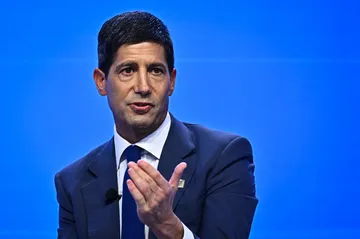
《华尔街日报》编辑委员会文章:上周出人意料地糟糕的通胀数据让美联储陷入两难。在近期的讲话和采访中,美联储官员暗示他们并不急于再次加息,暂停加息可能是合适的。但现在看来,维持利率不变更难找到理由。
By The Editors Last week’s surprisingly bad inflation figures pose a dilemma for the Federal Reserve. In recent speeches and interviews, Fed officials suggested they were in no hurry to raise interest rates again and that a pause might be appropriate. But holding the rate now looks harder to justify.
9月份消费者价格上涨0.6%,为五个月来最快涨幅,将同比通胀率从8月份的3.4%推高至3.7%。剔除波动较大的食品和能源价格后,核心CPI通胀率从2.4%升至2.6%。美联储更看重个人消费支出价格指数,该数据要到10月29日才会公布,但最新的批发价格数据表明,PCE通胀率也将高于预期。
Consumer prices rose in September by 0.6%, the fastest pace in five months, lifting year-over-year inflation to 3.7%, up from 3.4% in August. Excluding volatile food and energy prices, core CPI inflation rose to 2.6% from 2.4%. The Fed gives greater weight to the price index for personal consumption expenditures, a number that won’t be out until Oct. 29, but new figures for wholesale prices suggest that PCE inflation will also come in higher than expected.
数据显示,主要由于与伊朗的冲突而居高不下的能源成本,正在传导至运输价格。批发商显然正在通过转嫁更多增加的成本,来恢复被关税和燃料价格挤压的利润率。而截至9月的一年中,服务业通胀率为3.2%,这表明问题并不局限于受关税或战争影响最大的行业。
The data show that elevated energy costs, due mainly to the conflict with Iran, are feeding through to transportation prices. Wholesalers are evidently restoring their profit margins, squeezed by tariffs as well as fuel prices, by passing along more of their increased costs. And inflation in services, running at 3.2% in the year to September, suggests the problem isn’t confined to the sectors most affected by tariffs or the war.
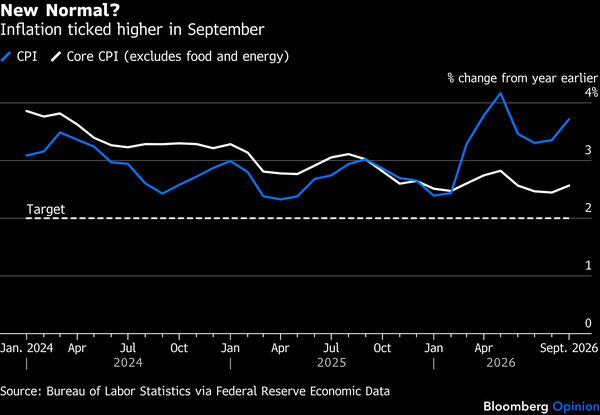
诚然,过度解读单月数据并不明智,但这些迹象表明,在没有进一步货币紧缩的情况下,超额通胀——仍远高于美联储2%的目标——可能会持续存在。市场对长期通胀预期的衡量指标正在小幅走高,凸显了这一担忧。
Granted, it’s unwise to read too much into a single month’s data, but these are indications that excess inflation — still well above the Fed’s 2% target — might persist without further monetary tightening. Underlining that concern, market-based measures of long-term expected inflation are inching higher.
毫无疑问,主席凯文·沃什及其同僚不愿在10月27日至28日的下次会议上再次加息,从而激怒白宫,因为此时距离中期选举只有几天。在上周的讲话中,沃什明显没有说风险天平已倾向于本月加息。投资者仍确信年底前会再次加息,但立即下调了对马上加息25个基点的预期。
No doubt, Chairman Kevin Warsh and his colleagues would prefer not to provoke the White House with another hike at their next meeting on Oct. 27-28, just days before the midterm elections. In comments last week, Warsh conspicuously failed to say that the balance of risks had tilted in favor of an increase this month. Investors remain confident of another hike before the end of the year but promptly dialed down their expectations of an immediate quarter-point increase.
诚然,政治上的审慎并非等到12月下次会议再上调政策利率的唯一原因。众所周知,沃什密切关注各类商品和服务价格上涨的广度,并将其视为衡量通胀可能持续性的良好指标。9月份该指标有所下降——这是个好迹象。仍有理由认为,关税和能源价格冲击将在未来几个月内消退。而且,就目前而言,即便联邦基金利率维持到12月不变,近期债券收益率的上升也会收紧金融条件并抑制需求。
To be sure, political prudence isn’t the only reason to wait until the following meeting in December before raising the policy rate. Warsh is known to pay close attention to the breadth of price increases across the full range of goods and services, regarding this as a good measure of likely persistence. In September, it declined — a good sign. There’s still reason to think that the tariff and energy-price shocks will fade over the coming months. And, for the moment, the recent rise in bond yields serves to tighten financial conditions and restrain demand even if the federal funds rate stays put until December.
话虽如此,风险平衡确实已经发生了变化——沃什及其同僚需要对此坦诚。就目前情况而言,政策利率未能充分限制需求,以使通胀回到目标水平。如果未来几周的数据不能改变这一评估,那么加息将是必要的——而且再加息25个基点可能还不够。
With all that said, the balance of risks has indeed shifted — and Warsh and his colleagues need to be frank about that. As things stand, the policy rate is failing to restrict demand enough to bring inflation back to target. If the next few weeks of data don’t change that assessment, higher interest rates will be necessary — and one more quarter-point hike might not be enough.