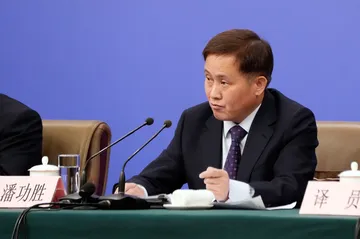
中国人民银行行长潘功胜表示,央行将密切监测人工智能对宏观经济的影响,审慎评估其对经济、金融市场及货币政策的作用,并提前做好政策准备。
Bank of China Governor Pan Gongsheng said the central bank will closely monitor the macroeconomic impact of artificial intelligence and prudently assess its effects on the economy, financial markets and monetary policy, while making forward-looking policy preparations.
潘功胜在周一于北京举行的金融街论坛上发表演讲时指出:“人工智能的影响因国家、地区和行业而异。目前它尚未对整体就业产生显著影响,但已开始改变就业结构。”
“AI’s impact varies across countries, regions and industries. While it has yet to have a significant impact on overall employment, it has begun to change the structure of jobs,” Pan said in a speech at the Financial Street Forum in Beijing on Monday.
他同时指出,短期内人工智能可能促进投资并推高通胀,中长期则有望提升整体生产力并抑制物价上涨。此外,当前人工智能热潮已成为全球股市上涨的主要动力,金融市场也呈现出高度相关性与波动性。
Pan said AI could boost investment and push up inflation in the short term before raising overall productivity and lowering price growth over the medium to long term. He added the AI boom has become one of the main drivers of gains in global stock markets, while financial markets are showing high correlation and volatility.
潘功胜强调,中国人民银行将探索运用人工智能技术辅助货币政策分析、金融风险识别,以及支付服务、征信管理和反洗钱监管等工作。同时,央行还将引导各类金融机构切实防范数据安全与模型应用相关的各类风险。
The PBOC will explore using AI to assist in monetary policy analysis and financial risk identification, as well as in payments, credit reporting and anti-money-laundering regulatory services, Pan said. It will also guide financial institutions to guard against data-security and model-related risks, he added.