欧盟似乎正在放松对极地石油和天然气生产的反对立场,但在其即将发布的北极战略中仍呼吁将所有化石燃料留在地下。
The European Union looks to be relaxing its opposition to oil and gas production in polar areas, while still calling for all fossil fuels to be kept in the ground in its forthcoming Arctic strategy.
彭博社看到的该战略草案中没有提到对北极新石油和天然气钻探实施禁令的内容,这标志着与欧盟2021年立场相比用词发生了转变。该用词一直是欧盟与挪威之间激烈讨论的话题,挪威一直在游说欧盟放弃基于气候考虑对高北地区石油和天然气勘探的反对。
A draft of the strategy, seen by Bloomberg, contains no references to a moratorium on new oil and gas drilling in the Arctic, marking a shift in wording from the EU’s 2021 stance. The wording has been a topic of intense discussions between the trade bloc and Norway, which has lobbied hard for the EU to abandon its climate-based opposition to oil and gas exploration in the high north.
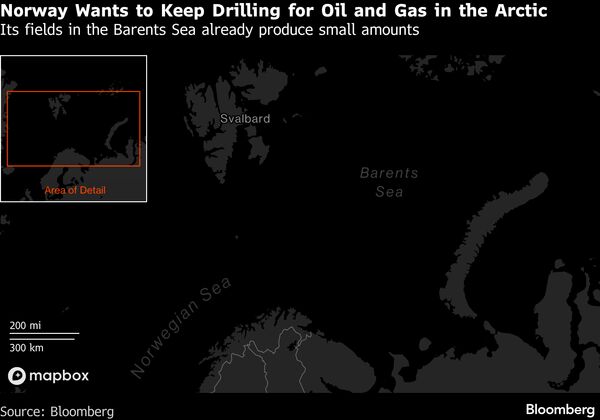
去年的许可轮次中,这一北欧国家在北极地区的巴伦支海授予了五个石油和天然气勘探许可证,并将在2026年开放38个区块供申请。去年,挪威向欧盟供应了近三分之一的天然气进口量,其中包括来自这些油田的一小部分。
The Nordic nation awarded five oil and gas exploration licenses in the Barents Sea, which is part of the Arctic, in last year’s licensing round and opened up 38 blocks in 2026 for applications. Norway supplied almost a third of EU’s gas imports last year, including a small part from those fields.
石油行业担心欧盟会承诺不购买挪威在北极地区新发现的石油和天然气资源。然而,最新的草案指出,欧盟将“优先”考虑使用可再生能源,以及来自北极地区以外的碳氢化合物资源。欧盟委员会还表示,当北极地区的石油和天然气开发活动“对当地生态系统构成威胁”时,欧盟将推动国际社会达成相关共识,以阻止此类活动的进一步开展或相关产品的购买。
The petroleum industry’s fear was that the EU would pledge not to buy oil and gas from Norway’s new Arctic fields. Instead, the draft says the union will “prioritize” renewable energy sources and hydrocarbons produced outside the Arctic. The European Commission also says it will work toward an international commitment to prevent further development of Arctic oil and gas resources, or purchases from them, when such activity “poses a threat to the Arctic ecosystem.”
2021年,欧盟曾表示:“在美、加和格陵兰部分地区已经实施的针对北极地区碳氢化合物勘探的临时禁令的基础上,欧盟致力于确保石油、煤炭和天然气资源不被开采(包括在北极地区)”,并致力于推动制定多边法律约束,禁止在北极地区及其周边地区进行任何新的碳氢化合物资源开发,也不允许购买这些资源。最新的草案再次重申了欧盟的这一承诺,即为了实现其气候目标,必须将石油、煤炭和天然气资源留在地下(包括在北极地区)。
In 2021, the EU had said that “building on the partial moratoriums on hydrocarbons exploration in the Arctic” in parts of the US, Canada and Greenland, “the EU is committed to ensuring that oil, coal and gas stay in the ground, including in Arctic regions” and that it would work toward “a multilateral legal obligation not to allow any further hydrocarbon reserve development in the Arctic or contiguous regions, nor to purchase such hydrocarbons if they were to be produced.”The latest draft also reiterates the EU’s broader commitment to work toward keeping coal, oil and gas in the ground, including in the Arctic, in line with its climate targets.
欧盟已设定了一项具有法律约束力的目标:到2040年,将温室气体净排放量比1990年的水平减少90%。
The bloc has set a legally binding goal of cutting net greenhouse gas emissions by 90% by 2040 from the 1990 level.
Equinor ASA公司(该公司已经在巴伦支海地区开采石油和天然气,并正在勘探更多新的油田)的发言人将相关问题转交给了能源部;而能源部的发言人则在该战略正式发布前拒绝发表评论。
A spokesperson for Equinor ASA, which already produces oil and gas and is exploring more fields in the Barents Sea — referred questions to the Energy Department, and a spokesperson for the ministry declined to comment ahead of the strategy’s release.
环保组织表示,这些修改并不意味着布鲁塞尔在政策上做出了重大让步。领导“北极石油钻探禁令保护联盟”的帕尔·弗里斯沃尔德(Paal Frisvold)对彭博社表示,他认为删除“禁令”一词反而使关于气候变化的核心信息更加明确;他补充说:“欧盟决心将化石燃料留在地下。”该草案还重申了欧盟的立场:在科学知识上的空白得到“充分填补”之前,欧盟反对进行深海采矿。挪威已于2024年批准了深海采矿计划,但目前相关作业尚未开始。
Environmental groups said the changes don’t amount to a significant retreat by Brussels. Paal Frisvold, who heads the Alliance to Preserve the Moratorium on Oil Drilling in the Arctic, told Bloomberg that he believes that the omission of the word moratorium makes the key message on climate stronger, adding “EU is determined to keep fossil fuels in the ground.”The draft text also maintains the EU’s opposition to deep-sea mining until scientific knowledge gaps have been “satisfactorily filled.”Norway in 2024 approved seabed mining, although no such works have yet started.