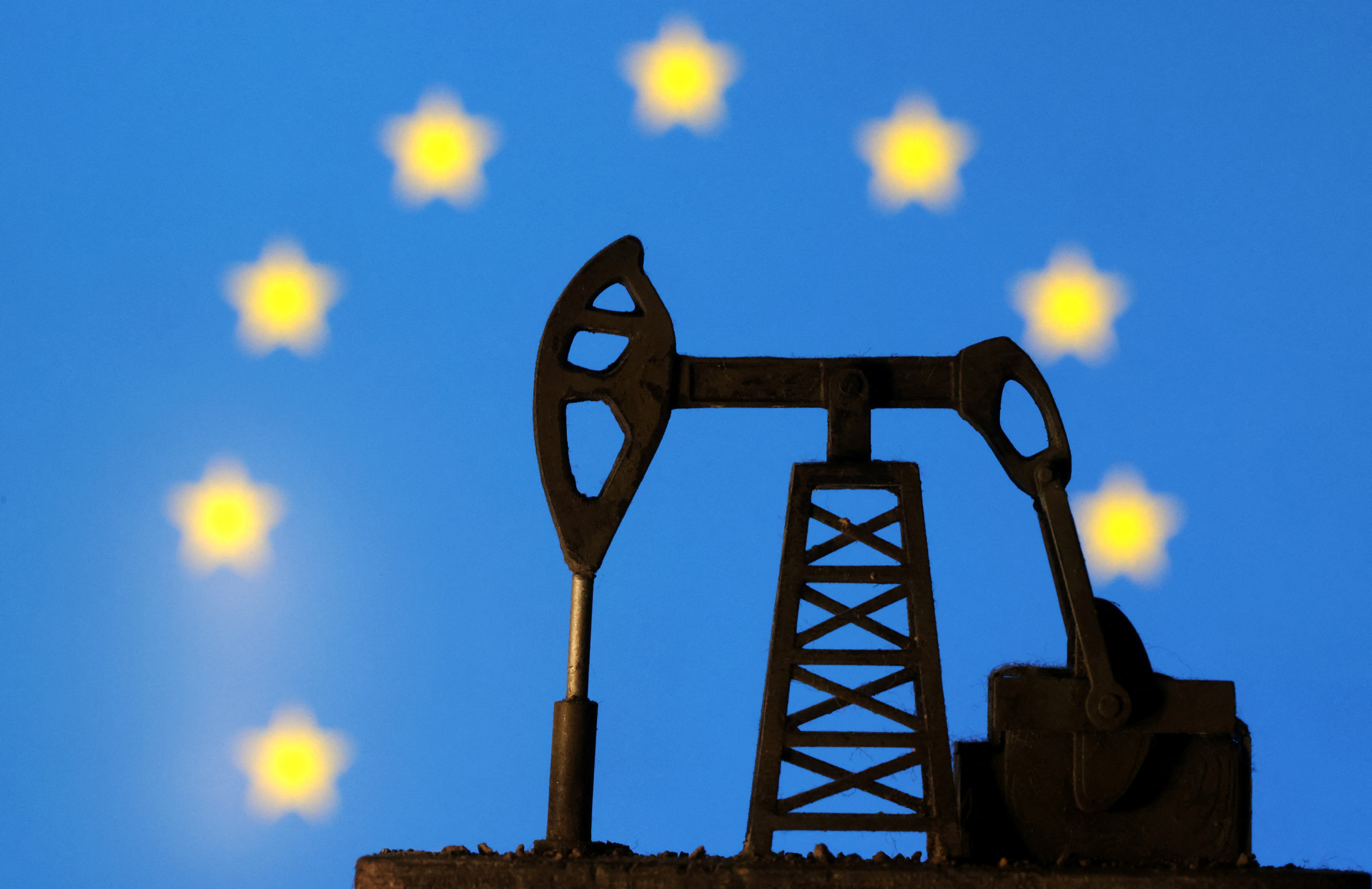
根据欧盟委员会及欧盟外交政策负责人卡娅·卡拉斯(Kaja Kallas)周二公布的新北极战略,欧盟仍致力于“确保石油、煤炭和天然气留在地下,包括在北极地区”。
The European Union remains committed to "ensuring that oil, coal and gas stay in the ground, including in Arctic regions," according to a new Arctic strategy presented by the European Commission and EU foreign policy chief Kaja Kallas on Tuesday.
该文件还指出:“鉴于北极地区的特殊脆弱性,欧盟委员会将与合作伙伴共同努力,保护北极环境,并防止任何可能威胁北极生态系统的碳氢化合物资源开发活动。”
"Due to its specific vulnerabilities, the Commission will work with partners to protect the Arctic environment and prevent all hydrocarbon reserve developments that pose a threat to the Arctic ecosystem," the document also says.
不过,这份新战略并未重申2021年发布的旧战略中的承诺——即推动建立多边法律机制,禁止在北极及其周边地区进行任何新的碳氢化合物资源开发活动,也不允许购买由此产生的产品。
However, it does not repeat a pledge from the previous strategy, issued in 2021, to work towards "a multilateral legal obligation not to allow any further hydrocarbon reserve development in the Arctic or contiguous regions" or buy any products from those developments.
一位欧盟官员表示,这一变化反映了这样的认识:随着形势的变化(五年过去了),鉴于各方立场的不同,要达成这样的多边共识变得更加困难。
An EU official said that change reflected a view that "the world is changing there and that it is harder - five years into this - to get to that kind of multilateral, decision-making given the positions of various players".
挪威呼吁欧盟放弃对北极新钻探项目的反对态度。由于许多油田已接近枯竭,除非像Equinor(EQNR.OL)这样的公司能在成熟勘探区域之外发现新的油气资源,否则挪威的石油产量预计将在2030年代开始下降。
Norway has called on the EU to drop its opposition to new drilling in the Arctic. With many ageing fields, Norwegian production is set to decline in the 2030s unless companies such as Equinor (EQNR.OL) make new discoveries outside mature areas.