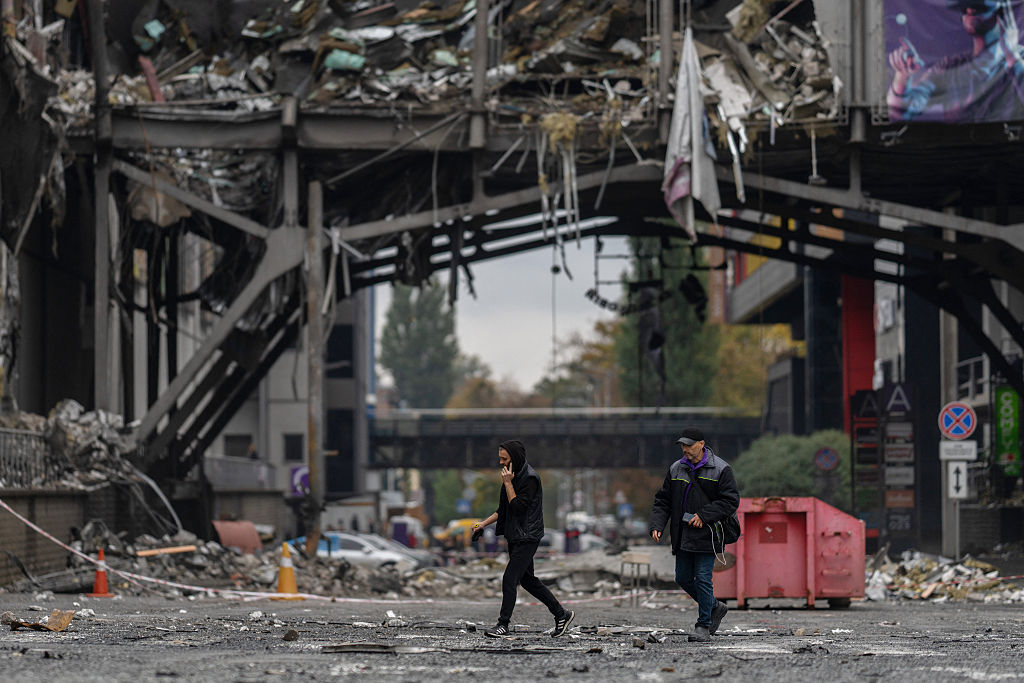
俄乌战争进入第五年,俄军在战场上进展甚微。乌克兰则利用无人机将战火引向俄罗斯境内多座城市,包括莫斯科。这对俄罗斯总统普京而言是个坏消息,因为他的个人声望直接系于这场战争。
In the fifth year of their war on Ukraine, Russian forces are making little headway on the battlefield. And Ukraine has used drones to bring the war to cities across Russia, including Moscow. That is bad news for President Vladimir Putin of Russia, whose personal standing is tied directly to this war.
普京如今决意升级冲突,不仅针对乌克兰,也针对那些为维持基辅抗战付出巨大努力的欧洲国家。
Putin is now determined to escalate, not just against Ukraine but also against the Europeans who have done so much to keep Kyiv in the fight.
他看到了机会。乌克兰“爱国者”拦截弹及其他防空系统弹药告急,使俄军导弹和无人机更有把握有效打击乌克兰全境目标,包括冬季临近之际维持供电供暖所需的基础设施。
He sees opportunities ahead. The Ukrainians are running low on Patriot interceptors and other air defenses, giving Russian missiles and drones a better shot at more effectively striking targets across Ukraine, including the infrastructure needed to keep the lights and heat on as winter approaches.
普京还清楚,欧盟将有10个成员国在2027年举行大选。他指望通过发动混合战——对欧盟和北约成员国实施破坏性破坏行动——扭转欧洲选民及部分领导人对持续援助基辅的态度。
Putin also knows that 10 European Union member states will hold elections in 2027. He hopes that by waging hybrid warfare—disruptive sabotage attacks on E.U. and NATO members—he can turn European voters and some of their leaders against continued support for Kyiv.
欧洲官员正为三种形式的俄方侵略做准备。他们已发现大量俄制无人机误入北约领空,这是此类无人机在战争中使用激增、以及俄乌双方用于干扰导航系统的技术所导致的副产品。
European officials are bracing for three forms of Russian aggression. They have already seen a substantial number of Russian drones stray into NATO airspace, a byproduct of their growing use in the war and of the technologies both Russian and Ukrainian forces use to jam navigation systems.
欧洲方面还发现了蓄意无人机入侵、破坏袭击(如8月4日在莱比锡机场针对乌克兰货机的未遂袭击),甚至暗杀阴谋。这些行动服务于多重目的:测试北约反应、切断对乌克兰部队的武器装备供应、并制造欧洲持续支持基辅代价不断上升的舆论认知。
The Europeans also see deliberate drone incursions, sabotage strikes such as the foiled Aug. 4 attack on a Ukrainian cargo plane at Leipzig airport, and even assassination plots. These operations serve several purposes: to test NATO responses, disrupt the supply of weapons and equipment to Ukraine forces, and raise the perception of rising costs for Europe’s continued support for Kyiv.
最后,还存在一种低概率的可能性,即莫斯科可能试图通过动员爱沙尼亚和拉脱维亚境内的俄罗斯族人,并部署2014年夺取克里米亚时使用的“小绿人”(身穿无标识军装的俄罗斯军队),来破坏这些北约国家的稳定。此类行动将考验北约捍卫其边境的决心。
Finally, there is a low-risk possibility that Moscow might try to destabilize NATO countries such as Estonia and Latvia by mobilizing ethnic Russians within their borders and deploying the “little green men” (Russian troops without uniforms and identifying insignia) used to seize Crimea in 2014. Such an operation would test NATO’s will to defend its borders.
北约官员深知,他们必须为俄罗斯的挑衅行动做好准备,这些行动尚未达到迫使盟国援引《北约宪章》第5条——即集体防御条款——的程度。欧洲官员正在制定一项包含“紧急议定书”的新国家安全战略,根据该议定书,欧盟委员会可召集各国元首,迅速应对俄罗斯的侵略。
NATO officials are well aware they must prepare for Russian provocations that fall short of forcing alliance members to invoke Article 5, the alliance’s collective defense provision. European officials are developing a new National Security Strategy with an “emergency protocol” under which the European Commission can bring together heads of state to respond quickly to Russian aggression.
反制措施可能包括实施重大新制裁,以及将欧洲军队、武器和军事装备部署在更靠近俄罗斯边境的地方。欧洲还控制着超过2250亿美元的被冻结俄罗斯资产,这些资产可能被没收。
Retaliatory steps could include significant new sanctions and the deployment of European troops, weapons, and military hardware much closer to Russia’s borders. Europeans also control more than $225 billion in frozen Russian assets that could be seized.
希望更清晰、协调更好的欧洲应对计划,能让普京对可能引发危机的行动更加谨慎,哪怕这些行动只是无意中造成重大经济损害或导致欧洲平民伤亡。信息非常直白:欧洲团结一致、已做好应对准备、并致力于支持乌克兰。进一步升级不会改变欧洲的立场。
The hope is that clearer, better coordinated European plans for response will make Putin more careful about actions that could precipitate a crisis by inflicting major economic damage or killing European civilians, even inadvertently. The message is blunt: Europe is united, prepared to respond and committed to Ukraine. Further escalation won’t change the European position.
欧洲领导人不仅是在管理普京的预期。他们还在向唐纳德·特朗普总统展示,他们正在努力应对来自俄罗斯的威胁,而不依赖北约——因而也不依赖美国的领导和纳税人的钱。话虽如此,他们将这项国家安全战略呈现为北约的补充,而非替代。他们知道,北约作出可信的反应对于遏制普京最激进的计划仍然至关重要。
European leaders aren’t just managing Putin’s expectations. They are also demonstrating to President Donald Trump that they are working to handle threats from Russia without relying on NATO—and therefore American leadership and taxpayer dollars. That said, they are presenting this National Security Strategy as a complement, not an alternative, to NATO. They know a credible response from the alliance remains essential to deterring Putin’s most aggressive plans.
欧洲官员必须迅速行动。他们不仅希望帮助基辅度过即将到来的冬季俄罗斯袭击,还要更好地保护自身的物理和网络基础设施。他们还需要改进情报收集和共享,这对迅速有力地应对俄罗斯的新举动至关重要。他们知道,必须在今年年底前完成这些准备工作。
European officials must act fast. They hope not only to help Kyiv weather Russian attacks in the coming winter, but also to better protect their own physical and cyber infrastructure. They also need to improve intelligence gathering and sharing, which is critical to responding swiftly and forcefully to new Russian moves. And they know they must have those preparations in place by the end of this year.