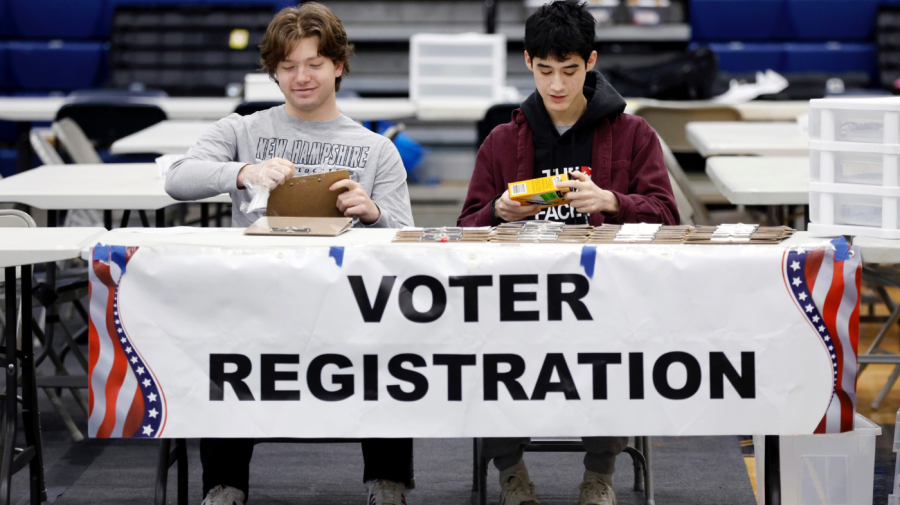
共和党筹集了12亿美元来争取年轻选民的支持;民主党必须作出回应。
Republicans raised $1.2 billion to reach young voters. Democrats must respond.
民主党有望在11月的选举中取得好成绩,但决定选举结果的关键因素将是年轻选民的投票率。鉴于当前的选举形势,年轻选民的投票率很可能决定参议院的控制权,以及民主党在众议院的多数席位是否真正具备执政能力。
Democrats are poised to have a good election night in November, but the difference between a blue ripple and a blue wave will be the turnout of young voters. Given the electoral landscape right now, young voter turnout could easily determine control of the Senate and whether Democrats’ House majority is a true governing one.
在政治领域,民主党在青年组织建设、付费媒体宣传以及在线互动项目上的投入严重不足。这一趋势始于2024年:共和党在青年事务上的投入高达12亿美元,是民主党的10倍。随着特朗普在年轻选民中的支持率持续下降,民主党的相关举措也面临资金短缺的问题。
On the left, there is frightening underinvestment in youth organizing, paid media and online engagement programs. It began with the right’s massive $1.2 billion investment in youth in 2024, outspending the left 10 to 1. This trend has continued, with many efforts from the left’s ecosystem short on money for youth programs at the exact time when Trump’s approval with young voters is cratering.
2024年选民倾向右翼(尤其是非大学教育的年轻男性)的现象告诉我们:减少对青年群体的投入并不会带来更好的结果。
Of the lessons the swing to the right of youth — especially non-college young men — in 2024 taught us, not one of them was that less investment would yield better results.
总体而言,年轻人更倾向于支持民主党——这一点从他们在2025年的投票情况以及过去几个月的民意调查中可见一斑。学生和年轻女性一直是民主党的核心选民群体。那些在2024年支持特朗普的年轻男性,如今正大幅转向民主党,主要原因是伊朗战争和经济问题。
Young people across the board are with Democrats — we have seen in how they voted in 2025 and consistently across polling in the last few months. Students and young women have always been a base constituency for Democrats. Young men who supported Trump in 2024 are “swinging away hard from Republicans” and Trump largely based on the Iran War and the economy.
在德克萨斯州和密歇根州等关键参议院选区,年轻选民对民主党候选人的支持率领先共和党候选人20%至31%;在学生群体中,这一优势更为明显:根据Flytedesk公司9月份的调查,民主党在学生选民中的支持率领先共和党52个百分点。
In battleground Senate races like Texas and Michigan, young people prefer the Democratic candidates anywhere from 20 to 31 points. That advantage is even larger among students: Democrats have a 52-point lead on the generic ballot, according to flytedesk’s September student survey.
但与此同时,我们不能假设年轻人会踊跃投票。即使在摇摆州,年轻人在今年这场非大选年的选举中投票意愿也比年长、更偏向右翼的选民低约 21 到 27 个百分点。在上届中期选举中,如果没有外部干预,Z 世代尤其可能缺席投票,2022 年仅有 28% 投票,而 2024 年这一比例为 50%。
But at the same time, we cannot assume young people will turn out to vote. Young people are about 21 points to 27 points less motivated to vote in this off-year election compared to older, more right-leaning voters, even in battleground states. In the last midterm, Gen Z was especially likely to skip the election without intervention, with only 28 percent voting in 2022 compared to 50 percent in 2024.
年轻选民的投票率也极具弹性。根据选民参与中心的数据,2020 年至 2024 年间,35 岁以下选民的投票率下降了近 7%,相当于 250 万年轻选民。此外,40% 的 Z 世代和 36% 的 35 岁以下人群未登记注册投票 —— 这两个群体中均有 11% 已登记注册,但在 2024 年未实际投票。
Turnout among young voters is also very elastic. According to the Voter Participation Center, between 2020 and 2024, turnout among voters under age 35 declined almost 7 percent, representing 2.5 million young voters. Moreover, 40 percent of Gen Z and 36 percent of people under age 35 are not registered to vote — 11 percent among both groups were registered to vote but did not turn out to vote in 2024.
年轻人流动性极强、且作为首次投票者面临独特挑战,这一事实放大了登记差距和投票率弹性问题。
This registration gap and turnout elasticity problem is magnified by the fact that young people are also extremely mobile and face unique challenges to voting as first-time voters.
截至 2025 年,35 岁以下选民中有 36% 表示过去两年内搬过家,52% 表示过去四年内搬过家。仅以重点摇摆州的大学生为例,就有近 100 万跨州就读,更不用说在本州内为上学而搬迁的人了。
As of 2025, 36 percent of voters under age 35 reported having moved in the last two years, and 52 percent reported having moved in the last four years. Just looking at college students in the top battleground states, we have almost 1 million who cross state lines to attend college, not to mention those who move within the state they grew up in for school.
共和党籍选举官员在全美范围内(包括北卡罗来纳州和新罕布什尔州)拒绝设立校园投票站、限制使用学生证,让学生投票变得更难。但年轻组织者正在反击,无论是北卡罗来纳州大学生民主党人确保学生知晓投票站变更,还是“明日选民”弗吉尼亚分会争取在汉普顿大学校园内获批设立投票站。
Republican election officials have made it harder for students to vote by denying on-campus polling sites and restricting student IDs across the country, including in North Carolina and New Hampshire. But young organizers are fighting back, whether that be the North Carolina College Democrats making sure students know about polling site changes or the Voters of Tomorrow’s Virginia chapter getting a polling site approved on campus at Hampton University.
年轻选民既是最宝贵、也是最难通过传统项目触达的受众群体:他们不看地方新闻,也不接听电话。他们生活在一个由私密群聊、宿舍讨论串、学生组织服务器以及特定校园社区构成的密集网络中,任何传统的广告投放、入户走访或广告账户都无法进入。
Young voters are both one of the most valuable and hardest-to-reach audiences with conventional programs: They don’t watch local news or answer the phone. They live inside a dense web of private group chats, dorm threads, student org servers and campus-specific communities that no traditional broadcast buy, canvasser or ad account can enter.
触达他们的最有效途径,是通过已经身处其中且已获信任的个人和渠道。幸运的是,全国各地的团体已打下基础,足以最大限度地提高年轻选民的投票率。
The most effective way to reach them is through individuals and channels who are already there and already trusted. Luckily, groups nationwide have built the groundwork needed to maximize turnout among young voters.
共和党已投入超过 10 亿美元触达年轻人。民主党需要认真对待这一威胁。年轻选民总体上会投票给民主党,但前提是他们真的去投票。有 28 个州允许选举日当天登记,或在选举日前 15 天内截止登记。争夺青年选票的战斗远未结束。
Republicans have poured over a billion dollars to reach young people. Democrats need to take this threat seriously. Young voters will vote for Democrats by and large, but that’s only if they actually turn out. Twenty-eight states either allow same-day voter registration or have deadlines within 15 days of Election Day. The battle for the youth vote is far from over.
塞琳达·莱克是资深民主党民调专家。伊芙·莱文森是“明日选民”组织董事会主席,曾任 2024 年哈里斯-沃尔兹竞选团队全国青年投票总监。
Celinda Lake is a veteran Democratic pollster. Eve Levenson is the chair of the board for Voters of Tomorrow and was National Youth Vote director for the 2024 Harris-Walz campaign.