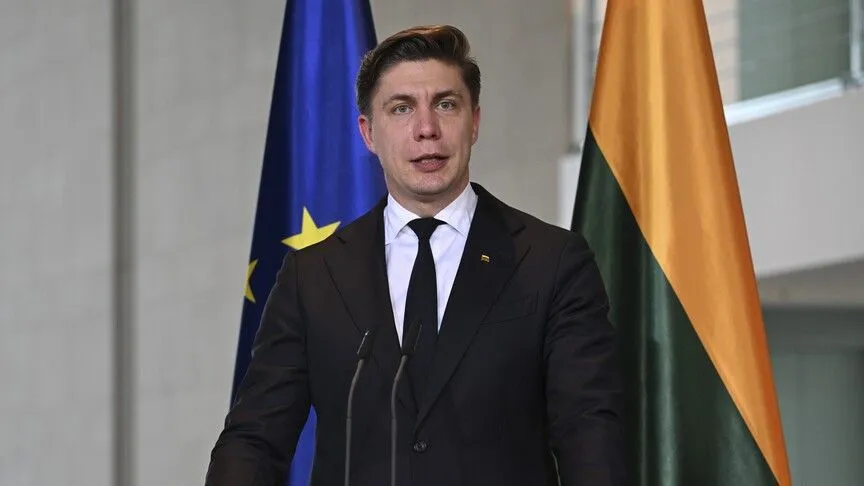
据广播电台LRT报道,立陶宛总理明道加斯·辛克维丘斯表示,立陶宛已开始与北约磋商,修订拦截进入其领空无人机的程序。
Prime Minister Mindaugas Sinkevicius said Lithuania has begun consultations with NATO to revise procedures for intercepting drones that enter its airspace, according to broadcaster LRT.
此前周日,一架疑似乌克兰无人机从波兰飞入立陶宛领空并发生爆炸。
That was after a suspected Ukrainian drone crossed into the country from Poland and exploded on Sunday.
辛克维丘斯周一表示,现行规则要求战斗机飞行员在使用武力前必须以目视方式确认目标,即使该目标已被雷达探测到。
Sinkevicius said Monday that the rules require fighter pilots to visually identify an object before using force, even when it is detected by radar.
云层遮蔽和其他恶劣天气条件可能阻止飞行员确认正在跟踪的目标。总理表示,他预计磋商将在大约一个月内完成。他补充说,北约可将拦截此类物体的决定权下放给国家当局。立陶宛官员称,坠落的无人机属于乌克兰,并携带炸药。乌克兰方面道歉,称在一次袭击中失去了与一架无人机的联系。
Cloud cover and other adverse weather conditions can prevent pilots from confirming what they are tracking. The prime minister said he expected the consultations to be completed within about a month. He added that NATO could leave decisions on intercepting the objects to national authorities. Lithuanian officials said the drone that crashed was Ukrainian and carried explosives. Ukraine apologized, saying it lost contact with one of its drones during an attack.
这一事件引发了对立陶宛防空反应的审视,并提出了立陶宛能多快中和进入北约领空的不明物体这一问题。
The incident prompted a review of Lithuania’s air-defense response and raised questions about how quickly Lithuania can neutralize unidentified objects entering NATO airspace.
辛克维丘斯还表示,立陶宛将研究能否修改程序,允许仅凭雷达探测即采取行动,而不要求目视确认。
Sinkevicius also said Lithuania would examine whether it could change its procedures to allow action based on radar detection, without requiring visual confirmation.